Start typing and pick the model from the list.
Type and pick two shoes to see them head to head.
Running Shoe Comparison: Choose the Right Model Without Getting It Wrong
Choosing running shoes has become surprisingly hard. Every brand launches dozens of models a year, with nearly identical names, specs that read like engineering jargon and prices ranging from 80 to 250 euros. Faced with two models you like, the question is always the same: which one suits me better? This running shoe comparison exists to answer it. A running shoe comparison puts two models side by side and pits their key data against each other (price, weight, drop, foot strike type, use and more) so you decide with judgment and not by the color or by what the ad says.
This guide explains what each feature you see in the comparison means, how to interpret them based on your type of runner and your goal, and how to use the running shoe comparison to make a sound buying decision. The running shoe comparison on this page lets you type two models and see them head to head instantly. Below the running shoe comparison you will find everything you need to understand what you are comparing and end up with the right shoe.
What a Running Shoe Comparison Is For
A running shoe comparison is a tool that pits the specifications of two models in the same table, so you can see at a glance how they differ and which wins in each category. Instead of opening ten tabs and jumping from one page to another trying to remember how much the first one weighed, you have both models lined up row by row, with their values facing off and, where it applies, a mark showing which is better in each measurable feature.
The usefulness is twofold. On one hand, it saves time and removes the mental effort of comparing scattered data. On the other, and more importantly, it forces you to focus on what really matters. Many runners choose shoes by looks or by brand, when what determines whether a shoe suits you are its technical features and how well they fit your way of running. A good running shoe comparison reorders your priorities and puts them where they belong.
It is worth being clear about what this tool is and is not. A comparison shows you the objective data side by side and helps you reason the decision, but it does not replace trying them on. Sizing, instep fit and the feel when running are personal and non-transferable, and no table captures them fully. Use the running shoe comparison to narrow your options down to the two or three that fit your profile, and try before you buy whenever you can.
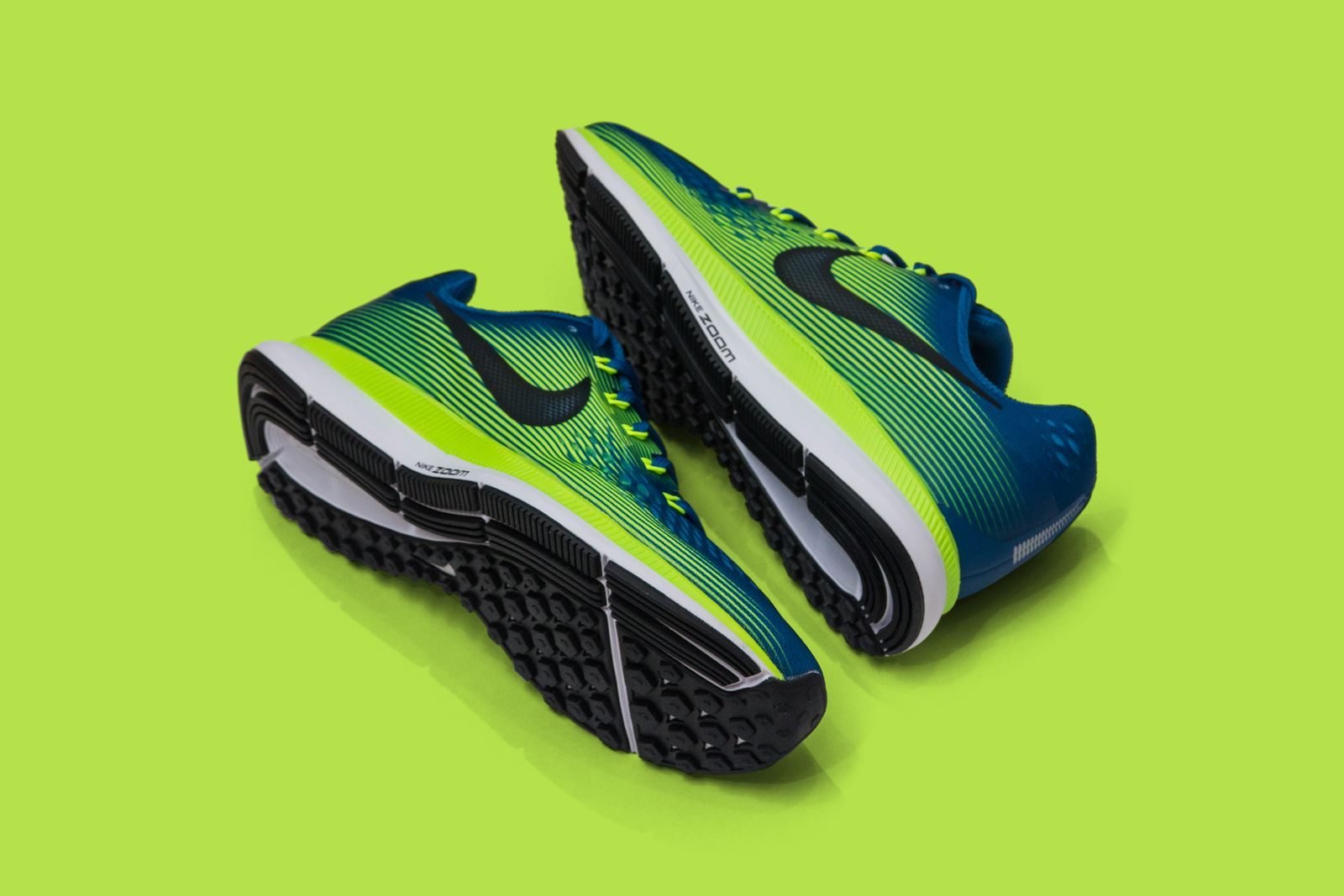
What Each Feature in the Running Shoe Comparison Means
The running shoe comparison table pits a series of data points that are worth understanding well, because each one tells you something different about how the shoe will behave. Let us go one by one.
Price is the most obvious, but it should be read alongside the rating: a more expensive shoe is not better by definition, and often the key is value for money. The comparison points out which of the two is cheaper, but the final decision depends on how much use you will give it and on your budget.
The rating sums up the overall quality of the model in a single score according to the review, taking into account performance, durability and general behavior. It is a good shortcut for sizing up quality, though it is always worth understanding what lies behind the number.
Weight is one of the most decisive specs. A lighter shoe feels nimbler and faster, ideal for brisk paces and racing, while a heavier one usually offers more cushioning and protection for long runs. There is no “best” weight in the abstract: it depends on the use you will give it.
Drop and Why It Matters So Much
Drop deserves its own section because it is the least understood feature and at the same time one of the most influential. Drop is the difference in height of the heel relative to the toe, measured in millimeters. A shoe with a high drop, 8 to 12 millimeters, raises the heel more; one with a low drop, 0 to 6 millimeters, leaves the foot flatter and closer to the ground.
Why does it matter? Because drop influences how you land your foot and which structures work harder when you run. A high drop tends to favor a heel strike and offloads the Achilles tendon and calf somewhat, so it is usually more comfortable for those coming from traditional shoes or who land on the heel. A low drop brings the mechanics closer to natural running and works the lower legs more, which can benefit technique but demands gradual adaptation to avoid overload.
The practical recommendation is not to change drop abruptly. If you come from a 10-millimeter shoe and jump straight to a 4, your Achilles tendon and calves will notice it. When the running shoe comparison shows you a large drop difference between two models, take it very seriously: it is not just another number, it is a change your body has to absorb.
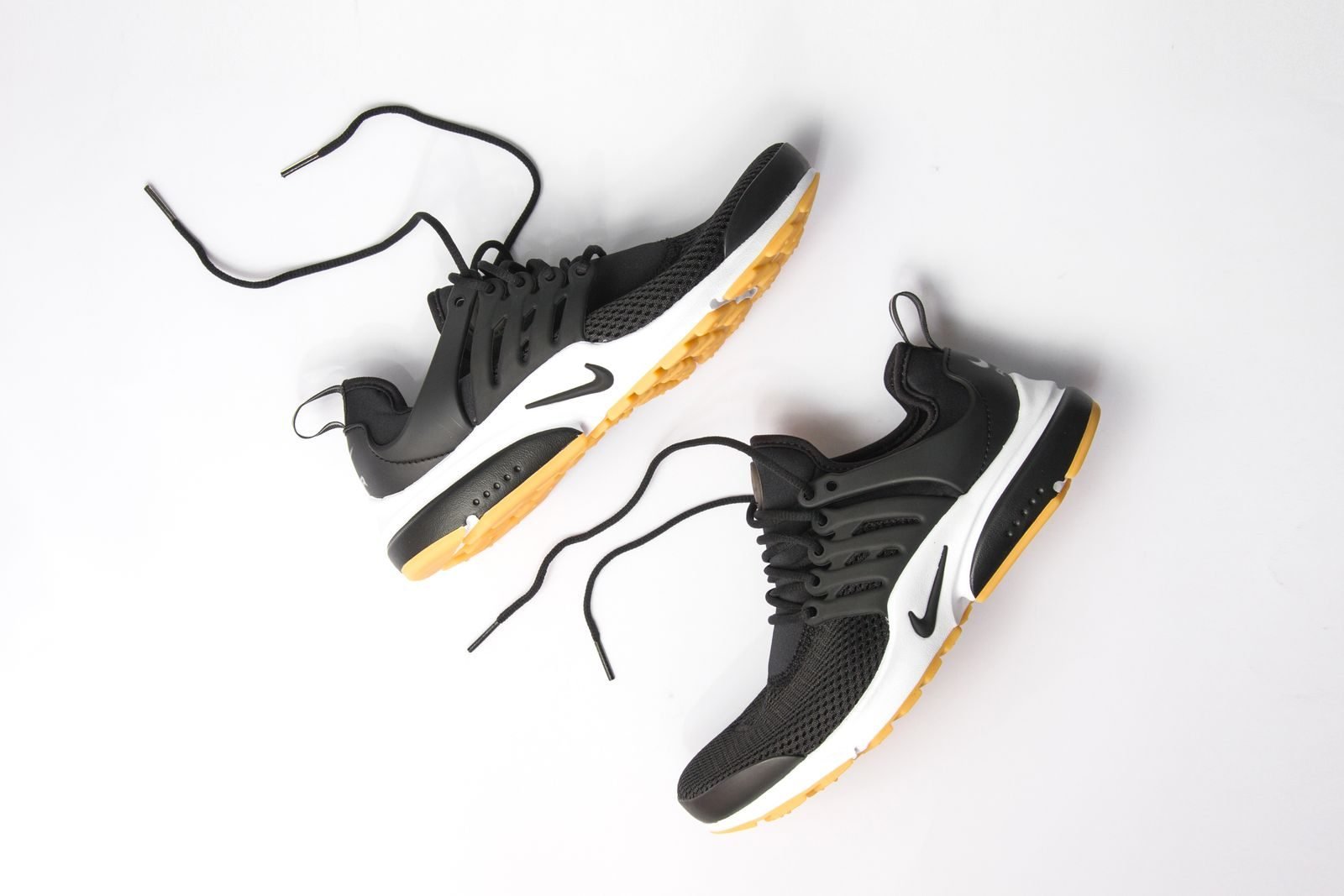
Type, Foot Strike and Use: Match the Shoe to Your Running
Three features in the table of any running shoe comparison define what and who each shoe is designed for, and they are the ones that most determine whether a model is right for you.
Type indicates the surface it is designed for: road, trail or mixed. Road shoes prioritize cushioning and a smooth outsole for hard, even surfaces. Trail shoes have aggressive lugs, reinforcements and greater protection for uneven terrain, mud and rocks. Mixed ones aim for a middle ground for those who alternate. Comparing type comes first: a trail shoe on the road wears out fast and slips, and a road shoe in the mountains does not grip.
Foot strike describes how your foot rolls when it lands, and shoes are designed to accompany it. A neutral strike is the most common and works with most models. Overpronation, in which the ankle tends to roll inward, benefits from shoes with support or stability control. Supination, less frequent, with the foot rolling outward, calls for flexible cushioning. Running in a shoe that does not match your foot strike can increase the risk of discomfort, so this data point is no small matter.
Use indicates whether the model is meant for training, racing or mixed use. Training shoes prioritize durability and cushioning to pile up kilometers day after day. Racing shoes sacrifice durability for lightness and responsiveness, to squeeze the clock on race day. Comparing use saves you from the classic mistake of buying a racing shoe for your daily runs, or the other way around.
The Carbon Plate: What It Is and Who Needs It
One of the comparison rows indicates whether the shoe has a carbon plate, the technology that has changed competitive running in recent years. A carbon plate is a rigid sheet embedded in the midsole. Combined with very resilient foams, it lowers the energy cost of running: in a lab study with 18 high-level runners, a prototype shoe with this combination reduced it by about 4% compared with established marathon racing shoes (Hoogkamer and colleagues, 2018). In practice, you run a little faster for the same effort.
It sounds like an absolute advantage, but it has important nuances. Shoes with a carbon plate are usually expensive, less durable and designed mainly for fast paces and racing, not for the gentle daily run. They also require some adaptation and a prepared technique and musculature, because they change the mechanics of the stride. For a recreational runner looking for their first training shoe, a carbon plate is not a priority; for someone looking to perform in a race, it can make the difference.
When the comparison shows you that one model has a plate and another does not, ask yourself what you want it for. If you are going to race and are chasing every second, it makes sense; if you are going to pile up easy kilometers, a training shoe without a plate, more durable and cheaper, is probably a better fit.
How to Choose Running Shoes in 5 Steps
With both models side by side, go through the running shoe comparison in this order. A shoe that fails an early step is out, however many rows it wins later.
- Surface. Road, trail or mixed. If you run on the road, a trail shoe is out, and the other way round.
- Foot strike. Check that the shoe suits how your foot lands: neutral, overpronation or supination.
- Use. Decide whether you want it for daily training, for racing or for both.
- Your priority. For easy runs and piling up kilometers, look at cushioning, durability and a balanced weight. For racing, look at weight, responsiveness and, if you are chasing seconds, the carbon plate.
- Price, as a tiebreaker. Between two shoes that pass the earlier steps, value for money decides.
Then try them on. The comparison gets you down to two or three finalists, but sizing, instep fit and how the shoe feels when you run are personal, and no table captures them. A shoe that looks perfect on paper but pinches or slips is not the one.
Pros and Cons of Each Type of Running Shoe
Most models fall into one of these groups. The table sums up what each one does well and where it falls short, so you can see which group your two finalists belong to before you compare them row by row.
| Type | Pros | Cons |
|---|---|---|
| Daily trainer | Durable and versatile, good for most of your kilometers | Heavier and less responsive than a racing shoe |
| Max-cushion shoe | Plenty of protection for long runs and recovery days | Heavier, and the high stack can feel less stable |
| Racing shoe with carbon plate | Light and responsive, lowers the energy cost of running | Expensive, less durable and needs adaptation |
| Trail shoe | Grip, protection and reinforcements for uneven terrain | Wears out fast and feels stiff on the road |
| Stability shoe | Extra support if your ankle rolls inward | Usually heavier and firmer than a neutral shoe |
From the Running Shoe Comparison to Your Training
Choosing the shoe well is the start; getting the most out of it is what really improves your running. Once you have the right model for your foot strike and your goal, the next step is to train wisely: run at the right paces, control intensity and plan your races. That is where the running shoe comparison connects with the rest of KnowPace’s tools.
You can work out what paces you should train at based on your fitness, estimate your race times at different distances with our Race Time Predictor and plan your fueling for long events with our Race Carb Calculator. The shoe is the equipment; smart training is what makes you faster. When you combine the right footwear with a well-calibrated plan, you have both halves of the performance equation.
Frequently Asked Questions
How do I know which shoe is best for me?
There is no best shoe in the abstract, only the best for your profile. It depends on the surface you run on, your foot strike type, the use you will give it and your budget. A running shoe comparison helps you pit two models against these criteria and see which fits your needs better. The final and essential step is to try them on before buying.
Which is more important, weight or cushioning?
It depends on the use. For racing and fast paces, a light weight is noticeable and helps you run nimbler. For long runs and piling up kilometers, cushioning protects your legs and prevents discomfort, even if it adds some weight. Ideally, be clear about the shoe’s purpose before prioritizing one feature or the other; often it is worth having a model for each.
What drop should I choose?
The right drop depends on your mechanics and your history. If you come from traditional shoes or land on the heel, a high drop of 8 to 12 millimeters is usually comfortable. If you want a more natural run, a low drop can help, but it requires gradual adaptation. The most important thing is not to change drop abruptly: a big jump overloads the Achilles tendon and calves.
Do I need a shoe with a carbon plate?
Only if you are looking to perform in competition and at fast paces. A carbon plate improves running economy, but it makes the shoe more expensive, reduces its durability and does not add much on the gentle daily run. For most recreational runners, especially for training, a good shoe without a plate is more versatile, durable and affordable. Save the plate for race day if you are really going to use it.
Can I use the same shoe for road and trail?
A mixed shoe can work if you alternate occasionally, but for frequent use of both surfaces the ideal is to have one of each. Road shoes do not grip well in the mountains and get damaged on technical terrain; trail shoes wear out fast and feel uncomfortable on the road. Comparing the surface type is the first thing you should look at when pitting two models.
How often should I replace my shoes?
As a general reference, a training shoe lasts around several hundred kilometers before losing cushioning and protective ability, though it varies a lot depending on the model, your weight and your technique. Racing shoes, being lighter, usually last less. A good indicator is the feel: when you notice your legs more beaten up than usual after runs, the cushioning may be spent.
Want to compare two models? Scroll back to the running shoe comparison at the top of the page, type the names of the two shoes and see them head to head instantly to decide with judgment.