Ruti Aga Banned for 6 Years: A Corticosteroid Positive and a Forged Prescription
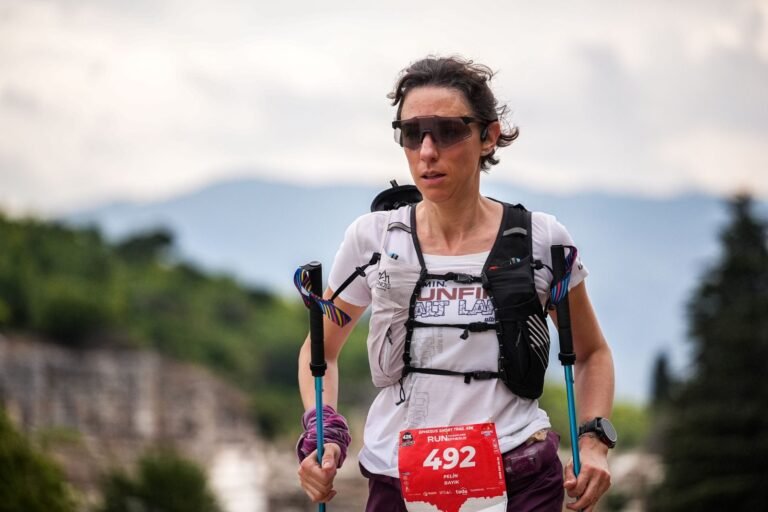
Ruti Aga, winner of the 2019 Tokyo Marathon, will not be allowed to compete for six years. The Athletics Integrity Unit (AIU) published its decision on 20 October: two years for a positive test for methylprednisolone, a corticosteroid, and four more for submitting a forged prescription to explain it. The two periods are served one after the other.
Who Ruti Aga is
Ruti Aga is a 32-year-old Ethiopian distance runner. Her World Athletics profile lists a win at the Tokyo Marathon on 3 March 2019 in 2:20:40, second places in Berlin in 2017 and 2018 (2:18:34 in 2018) and third in New York in 2019. Her marathon best is 2:18:09, run in Dongying, China, in 2023 and matched in Dubai in January 2024. Her half marathon best is 1:06:39, from Houston in 2018.
If Tokyo is on your list, the Tokyo Marathon guide covers how to get an entry and what the course is like.
The positive test at the Meishan half marathon
On 15 March 2026, Ruti Aga ran the Meishan Renshou Half Marathon in China and gave an in-competition urine sample. The WADA-accredited laboratory in Beijing found methylprednisolone and reported it on 31 March. She had no therapeutic use exemption for the drug.
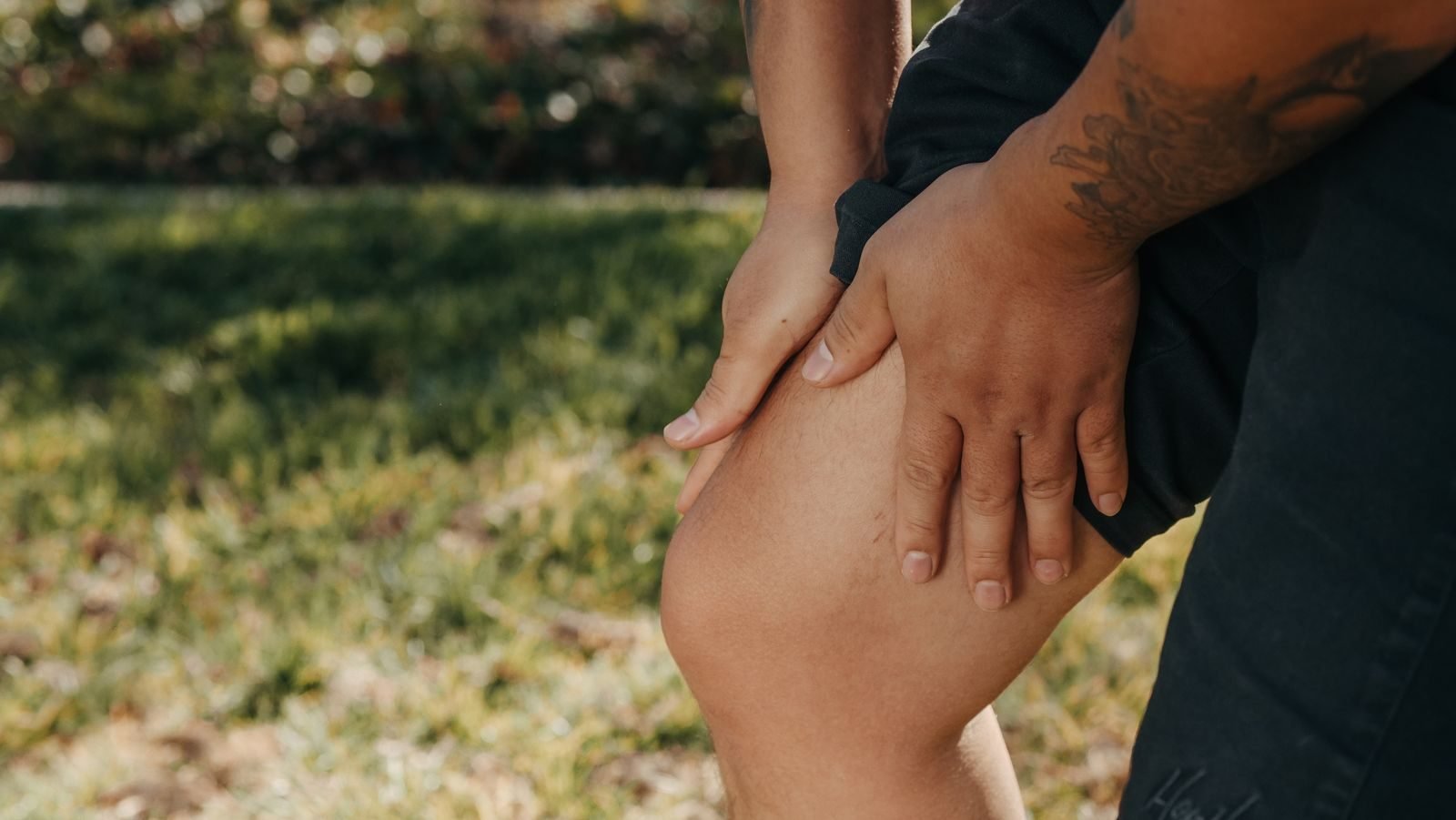
At her interview with the AIU on 21 April, Ruti Aga said she had been dealing with a knee injury since April 2025. She told investigators that a doctor had seen her at a clinic in Addis Ababa in early March and prescribed methylprednisolone, and that the same doctor gave her an injection at home about a week before the race.

A prescription from a clinic that does not exist
On 4 May, Ruti Aga sent a document dated 11 February from the “Urael Medium Clinic”, prescribing one 80 mg intramuscular vial of Depo-Medrol (methylprednisolone acetate). The date already clashed with her account of an early March visit.
The AIU asked the Ethiopian Anti-Doping Authority for help, and its checks found the following:
- The real clinic is called St. Urael Internal Medicine Specialty Clinic, and it stated in writing that it had never treated the athlete.
- Its prescription form looks nothing like the one Ruti Aga submitted, which had no stamp or logo and listed a phone number that did not work.
- The supposed doctor admitted being a relative of the athlete, treating her at home at her husband’s request and using an old prescription pad from a clinic where they claimed to have worked.
- The clinic confirmed that this person never worked there, and the Addis Ababa health authority has no record of them as a licensed doctor.
The AIU concluded that the prescription Ruti Aga submitted was forged and that submitting it was tampering with doping control, a separate violation from the positive test.
Why the ban is six years
The AIU decision breaks the sanction down like this:
| Violation | Rule | Ban |
|---|---|---|
| Presence and use of methylprednisolone | Rules 2.1 and 2.2 | 2 years |
| Tampering (forged prescription) | Rule 2.5 | 4 years |
| Total, served consecutively | Rule 10.9.3(c) | 6 years |
Methylprednisolone is a specified substance, and the AIU says it has no evidence that the positive was intentional, so that part stays at two years instead of four. The rules treat tampering as a stand-alone violation worth four years, and they require it to be added on top instead of served at the same time.
Ruti Aga had two chances to admit the violations and cut a year off the ban, with deadlines of 17 and 30 September. She answered neither. On 6 October the AIU told her she was deemed to have accepted the charge and waived her right to a hearing.
The ban runs from 10 September 2026, the date of the charge and her provisional suspension, so it lasts until September 2032. All her results since 15 March 2026 are disqualified, along with any prize and appearance money. Her 2019 Tokyo win stands. WADA and the Ethiopian agency can appeal to the Court of Arbitration for Sport. The case appears in the AIU list of first instance decisions, dated 20 October.

Corticosteroids and doping control
By Ruti Aga’s own account, it all started with a knee injury. If your knees bother you, knee pain from running goes through the usual causes.
The WADA Prohibited List bans all glucocorticoids in competition when given by injection, by mouth or rectally, and that includes injections into a joint or around a tendon. The in-competition period starts at 11:59 pm the day before the race and ends when the race and the sample collection are over. Outside that window they are allowed, but the drug can still be in your urine on race day.
WADA publishes minimum washout periods. For intramuscular methylprednisolone it is 5 days. For local injections it is 3 days for most corticosteroids and 10 for a few, such as triamcinolone, and intramuscular triamcinolone acetonide needs 60 days. If you get an injection before a race with testing, your doctor should know that table. If the treatment cannot wait, you can apply for a therapeutic use exemption (TUE) with medical records.
Most recreational runners will never be tested, and the rules set lower penalties for recreational athletes: for tampering, anything from a two-year maximum down to a reprimand, depending on fault. Ruti Aga is an international-level athlete, so the standard scale applied to her.
Other marathoners banned in 2026
On 4 September, the AIU banned 23-year-old Ethiopian Tiruye Mesfin for three years over abnormal values in her biological passport. On 25 June it was the turn of Kenya’s Kibiwott Kandie, a three-time Valencia Half Marathon winner who set a world record of 57:32 there in 2020: seven years for refusing a test and tampering. Both admitted the violations early and saved a year, the reduction Ruti Aga let pass. How that record has moved since then is covered in half marathon world record.

Frequently asked questions
How long is Ruti Aga banned for?
Six years: two for the methylprednisolone positive and four for submitting a forged prescription. The ban started on 10 September 2026.
Does Ruti Aga lose her Tokyo Marathon win?
No. Only her results from 15 March 2026, the day of the Meishan test, onward are disqualified.
Can a recreational runner get a steroid injection before a race?
Out of competition, yes. In competition, injected corticosteroids are banned, and WADA sets washout periods from 3 to 60 days depending on the drug and the route. If the race has doping control, check with your doctor and apply for a TUE if needed.