Caffeine for Runners: How Much to Take, When and in What Form
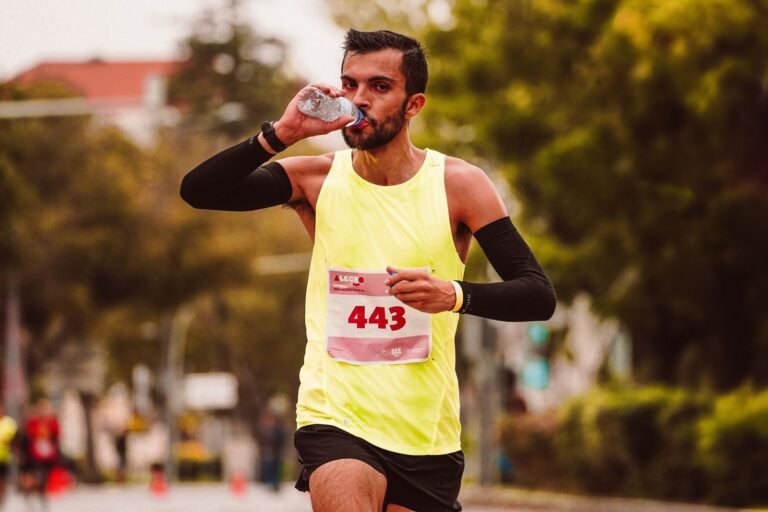
Caffeine for runners is one of the few supplements with a clear, well-studied effect on performance, and most of us already take it every morning with our coffee. Used well, it makes the same pace feel easier and helps you hold on longer in the final part of a race. Used badly, it can give you stomach problems, jitters or a bad night before a race. In this guide I explain how it works, how much to take, when and in what form, and what precautions to keep in mind.
Why caffeine for runners works
Caffeine acts mainly on the nervous system. It blocks adenosine, a substance that builds up with effort and increases the feeling of tiredness. The result is that you perceive the same effort as more manageable, and that lets you hold a faster pace for longer.
The International Society of Sports Nutrition position stand on caffeine concludes that it consistently improves endurance performance, although the effect varies quite a lot from person to person.
The right dose of caffeine for runners
The most studied dose is between 3 and 6 mg per kilo of body weight. For a 70 kg person, that is 210 to 420 mg. Lower doses, 2 to 3 mg per kilo, also work for many runners and cause fewer side effects, so it makes sense to start there.
To give you an idea, a cup of filter coffee has 80 to 120 mg, an espresso 60 to 80, and a caffeinated gel 25 to 100 mg depending on the brand. A higher dose doesn’t mean better performance: beyond a certain point it only adds jitters and discomfort.

When to take caffeine before running
It is usually taken about 60 minutes before starting, which is when it peaks in your blood. In longer races, like a half marathon or marathon, you can also split it: part before and part as a caffeinated gel in the second half, when fatigue kicks in.
If your race is in the afternoon, keep in mind that its effect lasts several hours and can affect your sleep that night. And if it is early in the morning, your usual breakfast coffee may already cover much of the dose.
What form to take it in
Coffee is the most natural option, but the amount of caffeine varies a lot by type and preparation. Gels and capsules have an exact dose, which is easier to control. Caffeinated gels are very practical during a race because they give you carbs and caffeine at once; I talk about them in the guide on how to train your gut, because your stomach needs to get used to taking them while running.
To work out how many gels you need in total, use the race carb calculator.

Caffeine for runners: side effects and precautions
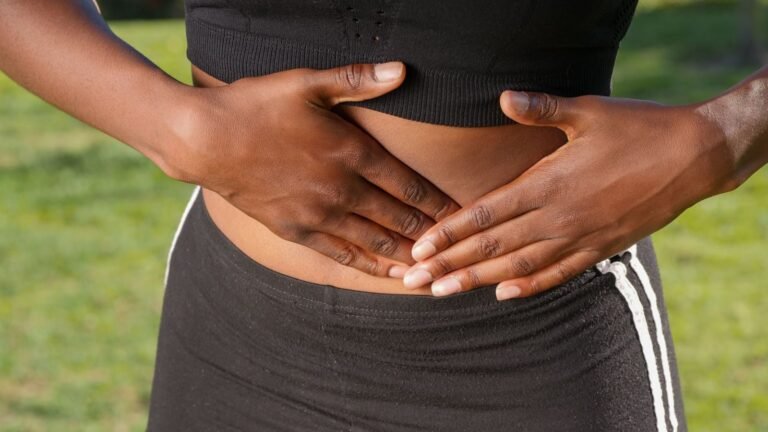
The most common are stomach upset, needing the toilet, nervousness, shakiness, a high heart rate and trouble sleeping. Sensitivity to caffeine depends partly on genetics, so some people perform best with very little and others barely notice it.
As a rule, don’t try it for the first time on race day: rehearse the dose and timing on a long run or quality session. For healthy adults, staying under about 400 mg a day in total is considered safe. If you have heart problems, high blood pressure, anxiety or are pregnant, talk to your doctor before using it for performance.
Caffeine for runners in competition
Caffeine isn’t banned by the World Anti-Doping Agency, so you can use it in any race. Combine it with a good fueling strategy, as I explain in the guide on what to eat before a race, and see the guide on creatine for runners if you are interested in other evidence-backed supplements.
Conclusion
Caffeine for runners makes effort feel more manageable and improves endurance performance. Start with 2 to 3 mg per kilo about 60 minutes before, go up to 6 mg per kilo if it agrees with you, use caffeinated gels in the second half of long races and always test it in training. And keep an eye on your stomach, nerves and sleep. Choose well, run better.
Frequently asked questions
What is the right dose of caffeine for runners?
3 to 6 mg per kilo of body weight is the most studied dose, although 2 to 3 mg per kilo already works for many runners with fewer side effects.
When should I take caffeine before a race?
About 60 minutes before. In long races you can take another part as a caffeinated gel during the second half.
Does a coffee before running improve performance?
Yes, it can help. A cup of filter coffee has 80 to 120 mg of caffeine, a useful dose for many runners, although the amount varies a lot by coffee.
Is caffeine allowed in competition?
Yes. The World Anti-Doping Agency doesn’t ban it, so you can take it in any race.
What are the side effects of caffeine when running?
Stomach upset, jitters, high heart rate and trouble sleeping. That is why you should test the dose in training and stay under about 400 mg a day.