
What to Eat Before a Race (and During and After): The Complete Guide
Knowing what to eat before a race, during it and after matters almost as much as your training. You can arrive in the best shape of your life and ruin it all with a poor fueling strategy. Stomach problems, hitting the wall or a slow recovery usually come down to what you ate, or didn’t eat, around the race. In this guide I go through the three phases with practical advice so that food helps you instead of holding you back.
The golden rule: nothing new on race day
Before looking at what to eat before a race phase by phase, remember this: never try a food, gel or drink for the first time on race day. Your digestive system trains just like your legs. Everything you plan to take during the race should have been tested first on your long training runs, so you know you tolerate it. This rule prevents most digestive disasters, and if you want to know how to prepare, I explain it in the guide on how to train your gut.
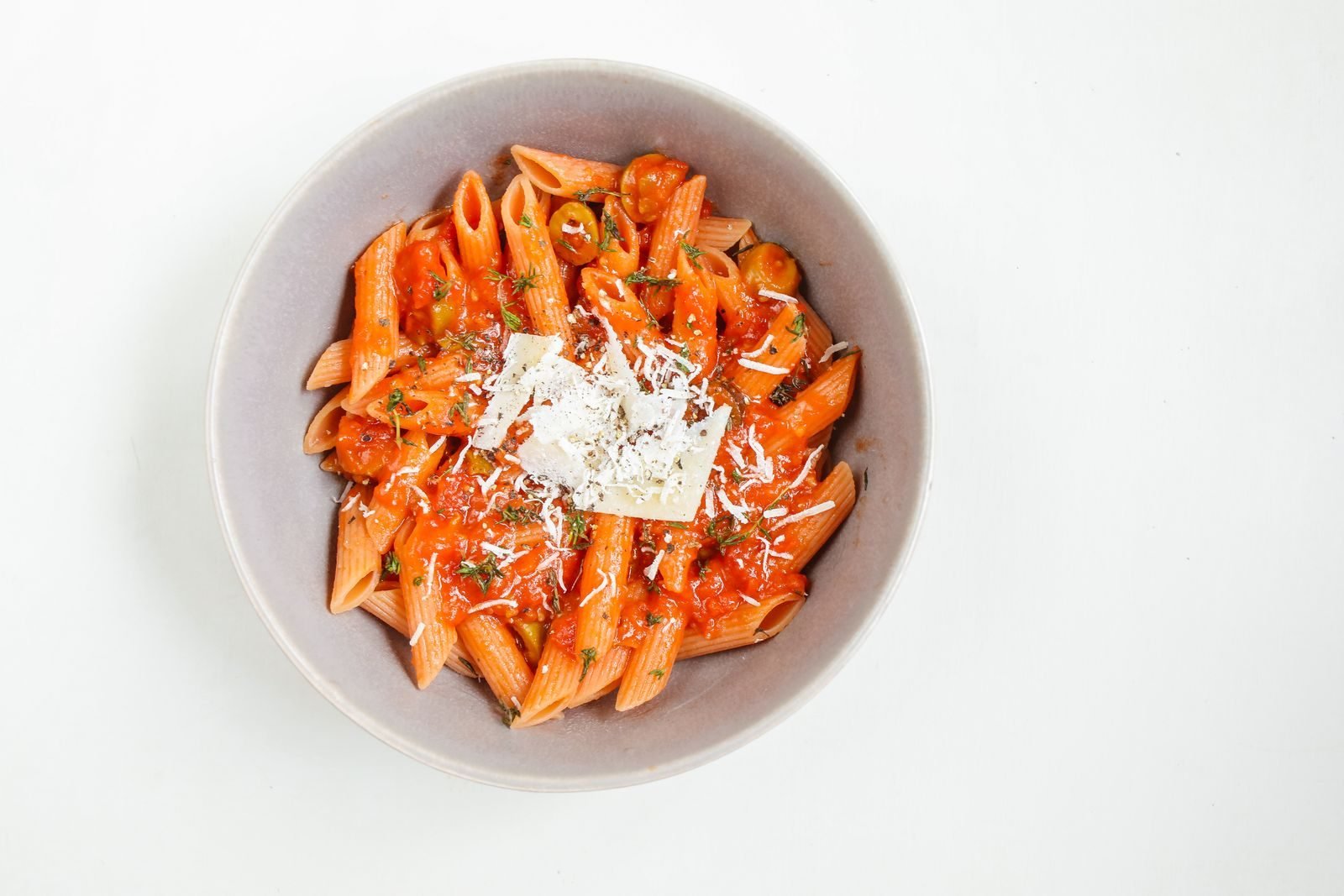
What to eat before a race
The pre-race meal has one goal: to start with your energy stores full, without feeling heavy or having an upset stomach. This plays out at two moments.
The days before
For long races, like a half marathon or a marathon, it makes sense for carbohydrates to take up more of your diet in the days before, to fill your glycogen stores. You don’t need to stuff yourself with pasta. Just get a larger share of what you eat from pasta, rice, potatoes, bread or cereals. For short distances like a 5K or 10K you don’t need any special carb loading.
The last meal, 2 to 4 hours before
Have your last proper meal 2 to 4 hours before the start, so you have time to digest it. Base it on easily digested carbs, such as bread, toast, rice, oats or fruit. Keep fat and fiber moderate, since they slow digestion and can cause trouble during the race, and don’t overdo the protein. Drink normally, without forcing it.
A race breakfast that tends to sit well is as simple as it gets: toast with jam or honey, a banana and coffee if you already drink it regularly. You don’t need anything fancier.
What to eat during the race
Here, duration is what decides. What you need to eat depends on how long you will be running.
| Race duration | What you need during the race |
|---|---|
| Under 60-75 min (5K, 10K) | Usually no need to eat. Water to thirst |
| 60-90 min (half marathon) | Some carbs start to be useful |
| Over 90 min (marathon, ultra, long trail) | Regular carbs are essential |
In long races, what you want is a steady supply of energy. You can take carbs as gels, chews, sports drinks or any food you tolerate. Start early, without waiting until you run out of energy, and keep going regularly.
How many carbs exactly? It depends on intensity and duration, and guessing is hard. That is what our race carb calculator is for: it tells you how much and how often to take based on your expected time. Don’t forget water and salts, especially in the heat. You will find it all in the guide on hydration and electrolytes.
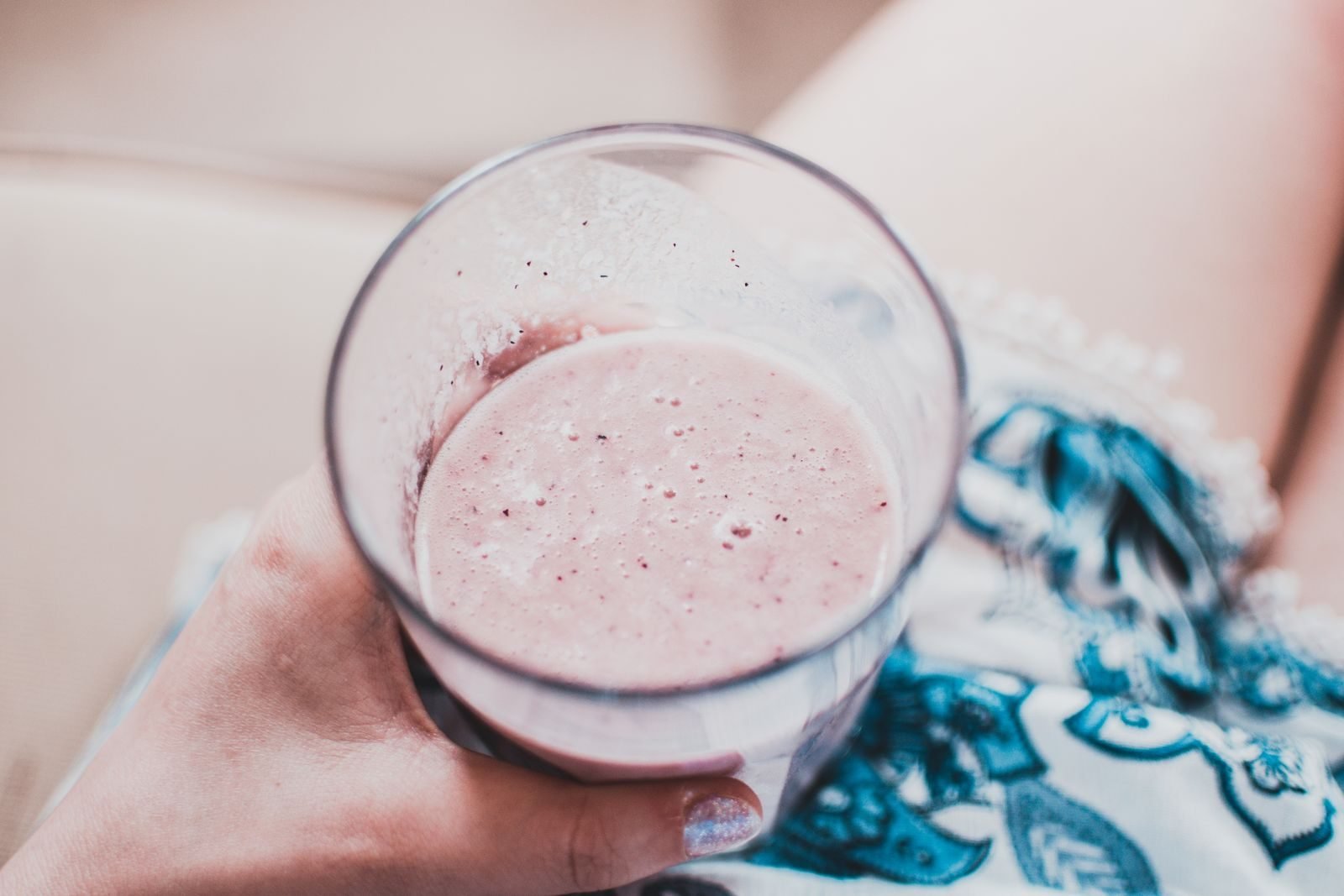
What to eat after a race
Recovery starts as soon as you cross the finish line. You need to replace carbs to refill the glycogen you have used, take some protein so your muscles can repair, and rehydrate by replacing the fluid and salts you lost through sweat.
In the first few hours, a meal that combines carbs and some protein is a good idea. It could be a fruit smoothie, a sandwich, yogurt with cereal or a full meal if you feel like it. There is no need to obsess over the exact minute, but don’t go hours without eating either.
Common mistakes when deciding what to eat before a race
The first one you already know: trying new food or gels on race day. The second is starting to eat too late, when you have already hit the wall and there is no way back.
I also see a lot of people overdoing fiber or fat in the pre-race meal, neglecting hydration or, the other way round, downing a liter of water just before the start. And then there is the runner who eats nothing after the race because they “aren’t hungry”, and pays for it all week.
If you are preparing a specific race, find it in the race directory to be clear about the distance and conditions. And if you want to check the sports nutrition guidelines these recommendations are based on, you will find them at the Academy of Nutrition and Dietetics.
Conclusion
As for what to eat before a race, start with full stores and have a last carb-rich meal 2 to 4 hours before, low in fat and fiber. During, if the race goes beyond 90 minutes, take carbs regularly from the start and drink. After, replace carbs, protein and fluids without waiting too long. And don’t improvise: rehearse your strategy in training so that on race day you only have to repeat it. Choose well, run better.
Frequently asked questions
What to eat before a race, and how far in advance?
Have your last proper meal 2 to 4 hours before, with easily digested carbs (toast, rice, oats, fruit) and little fat or fiber. Toast with honey and a banana is a classic that usually sits well.
Do I need to eat during a 10K?
Generally, no. In races under 60-75 minutes your stores are enough and you only need to drink to thirst. Eating during the race starts to matter from the half marathon onward and, above all, in races over 90 minutes.
How many carbs should I take in a long race?
It depends on intensity and duration, so there is no single figure. The most practical approach is to calculate it with a carb calculator based on your expected time and rehearse it in training first.
What is best to eat right after running?
A combination of carbs to replace glycogen and some protein for muscle recovery, plus rehydration. A fruit smoothie, a sandwich or a full meal all work. What matters is not going hours without eating.
Why shouldn’t I try new gels on race day?
Because your digestive system needs to get used to what you give it while running. A gel you haven’t tried can upset your stomach in the middle of the race. Always rehearse your fueling on long training runs.