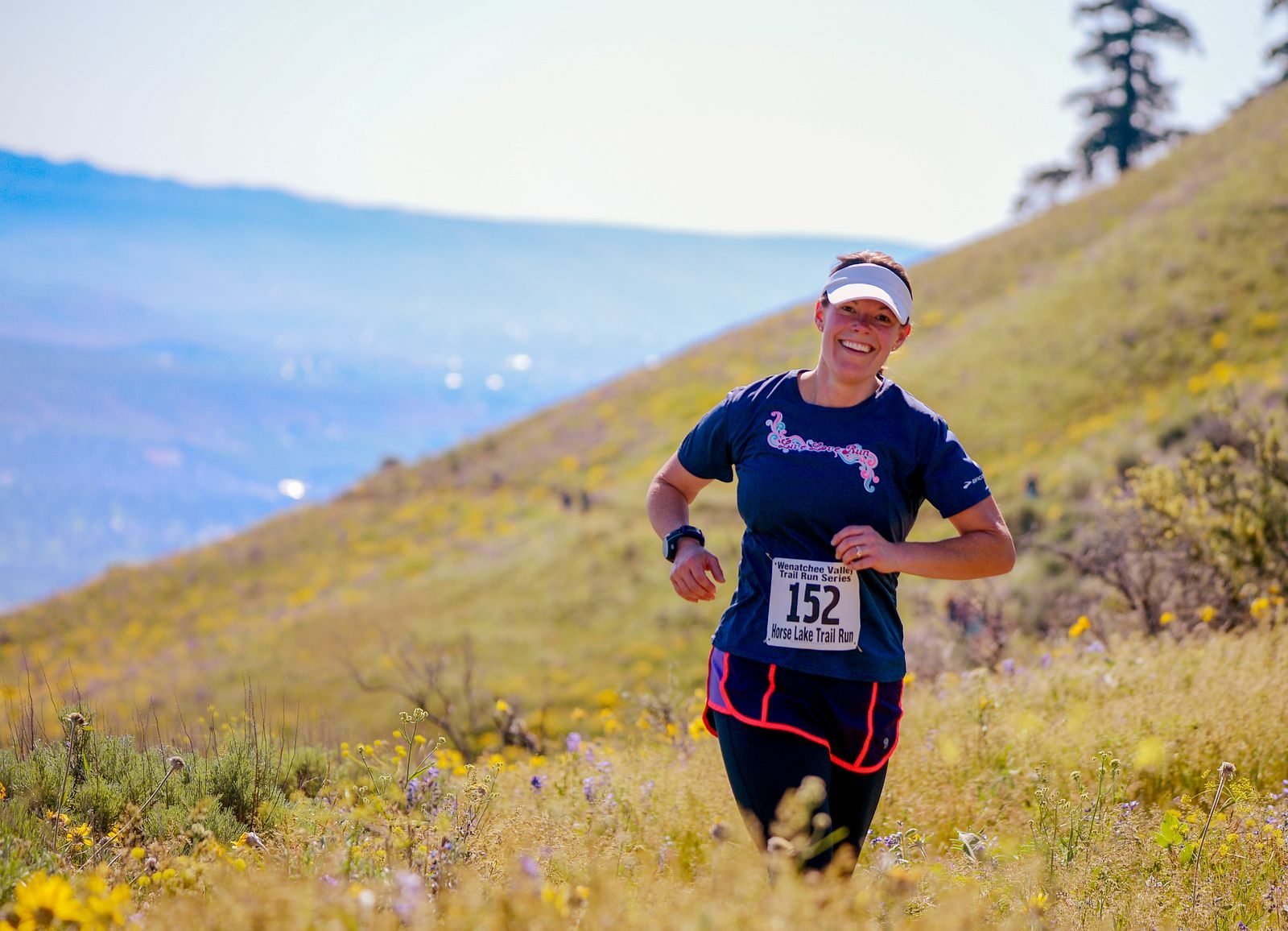
Your First Trail Race: How to Choose It, Train for It and Run It
Your first trail race has little in common with a road race. Pace per kilometre stops being useful, the climbs are walked and the descents hammer your legs harder than any interval session. If you pick the right race and prepare for the climbing a few weeks ahead, it is a very rewarding experience. This guide covers how to choose it, how to train for it, what gear to carry and how to run it.
How to choose your first trail race
To start, look for a race of 10 to 15 km with less than 600 metres of elevation gain. You can finish that distance in a morning without a months-long plan, and it lets you get to know the terrain without suffering.
Catalonia has plenty of races like this. The Carenes del Cogulló has an 11 km course with 250 m of climbing, the Trenca 1 Pic in Navàs is 13 km with 360 m, and the Cursarroca is about 12.8 km. You will find more in our race calendar, using the short trail filter.
Check the cut-off times too. Many mountain races close checkpoints at set times, and for your first one you want them to be generous.
Elevation counts as much as distance
In the mountains, 10 km can take 50 minutes or two hours depending on the climbing. ITRA, the body that classifies trail races, uses a measure called km-effort: each kilometre counts as one, and every 100 metres of climbing adds another.
On that basis, 12 km with 400 m of climbing equals about 16 flat kilometres. It is a simple way to compare races and estimate your time: take your easy flat pace and multiply it by the km-effort. The result will be a little optimistic, because technical descents slow you down too.
How to train for your first trail race
If you already run three days a week, eight weeks of preparation is plenty. The main change is to move at least one of those runs to the mountains or to hilly tracks.
Do your weekend long run on trails and measure it in time, not distance. Build it up until it lasts a little longer than you expect to take on race day. The long run guide explains how to progress without overdoing it.
During the week, a hill session prepares you for the climbs. You will find several sessions in the hill training guide. And two short days of strength training for runners, with squats, lunges and calf raises, protect your knees on the descents.
Walking uphill is part of trail running
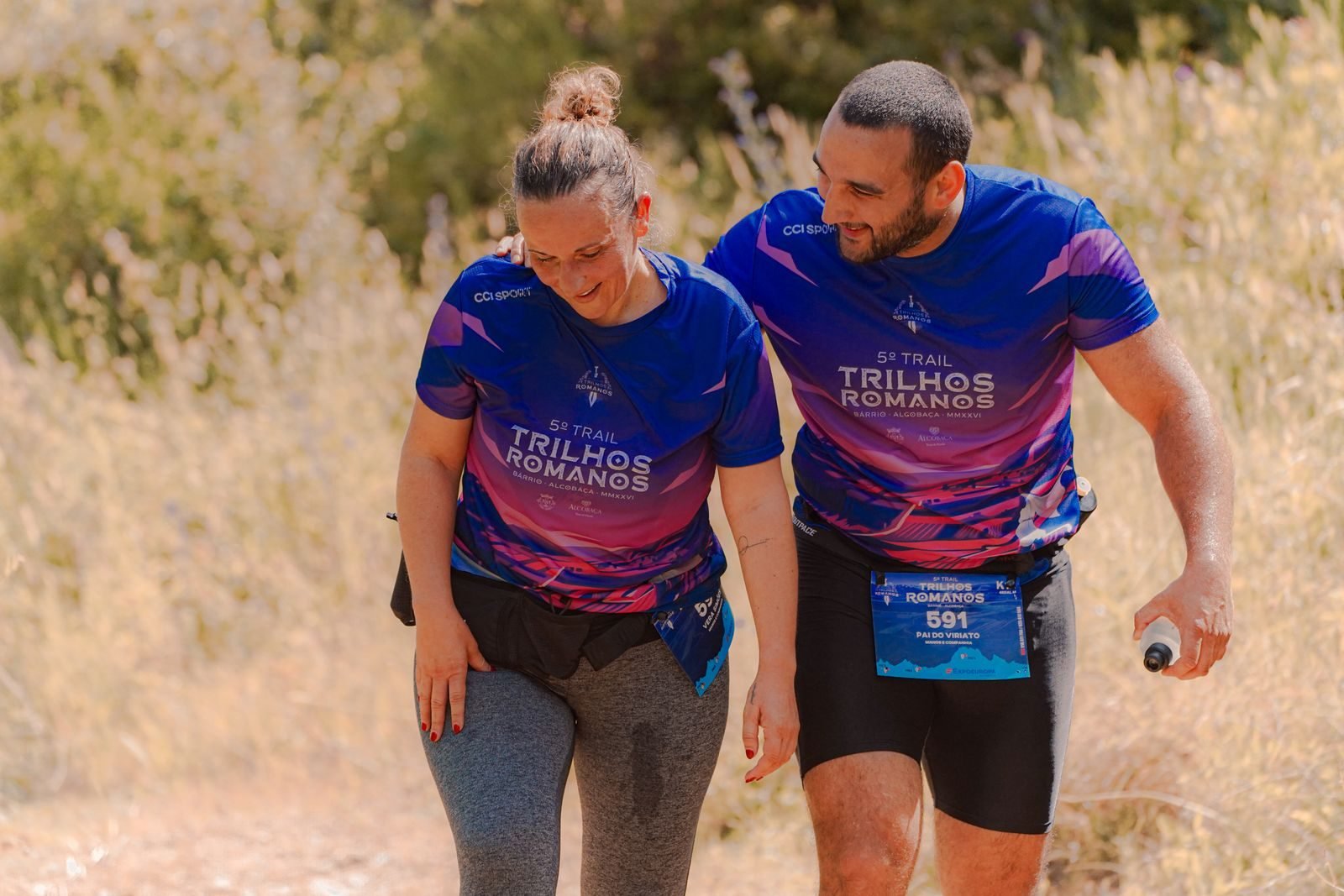
On steep climbs almost everyone walks, including many of the runners at the front. Hiking fast with your hands on your thighs uses less energy than a laboured jog, and you reach the top with fresher legs. Practise it: on your mountain runs, power hike the steepest sections.
Descents need training
Descending is where you gain the most time and where you suffer the most. Braking with every step makes your quadriceps work eccentrically, which is what causes the severe soreness of the following days. Practise short descents every week: short, quick steps, eyes two or three metres ahead and arms out for balance.
What gear you need for your first trail race
For your first trail race, the most important thing is a pair of shoes with good grip. On dry dirt, road shoes will do, but on loose rock or mud you need lugs. The trail running shoes guide explains how to choose them.
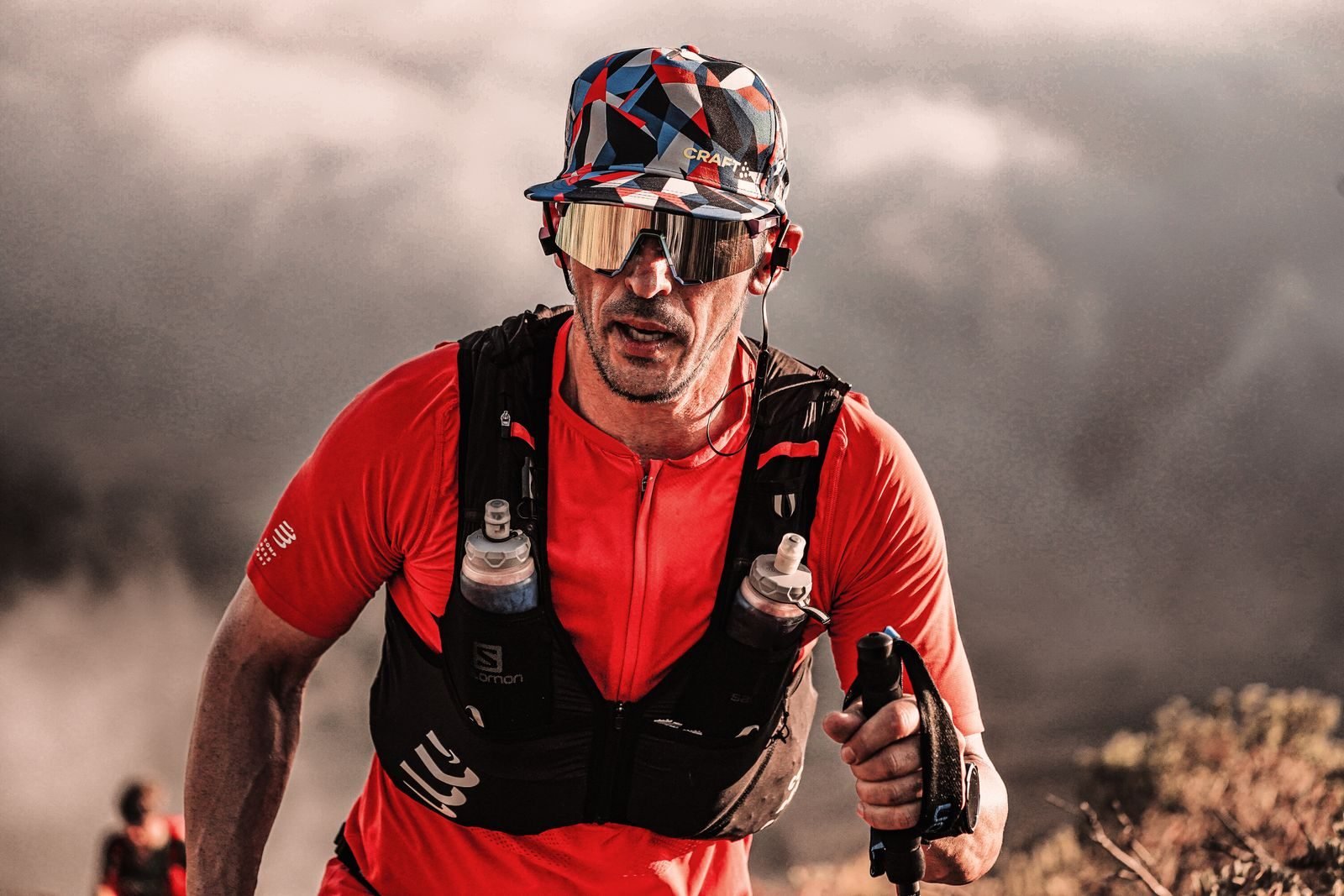
Carry water as well. Aid stations are further apart in the mountains than on the road, so for anything over an hour a vest or a belt with a bottle is a good idea. Read the rules: some races require mandatory gear, such as a windproof jacket, a survival blanket or your own cup, and check it at the start.
Many mountain races also ask for a federation licence or day insurance. In Catalonia the licence is issued by the FEEC, but for a one-off race the day insurance sold by the organisers when you register is enough. In the races on our calendar it costs between 4 and 7 euros.
Eating and drinking in your first trail race
If your first trail race takes less than an hour and a half, water and whatever the aid stations offer is usually enough. If you will be out longer, carry a gel or some food to take from the first hour onwards, and try it first on your long runs. The guide to train your gut explains how to get used to it.
On hot days, sweat takes sodium as well as water. If you finish with salt-white cheeks, read the guide to hydration and electrolytes.
Your first trail race day
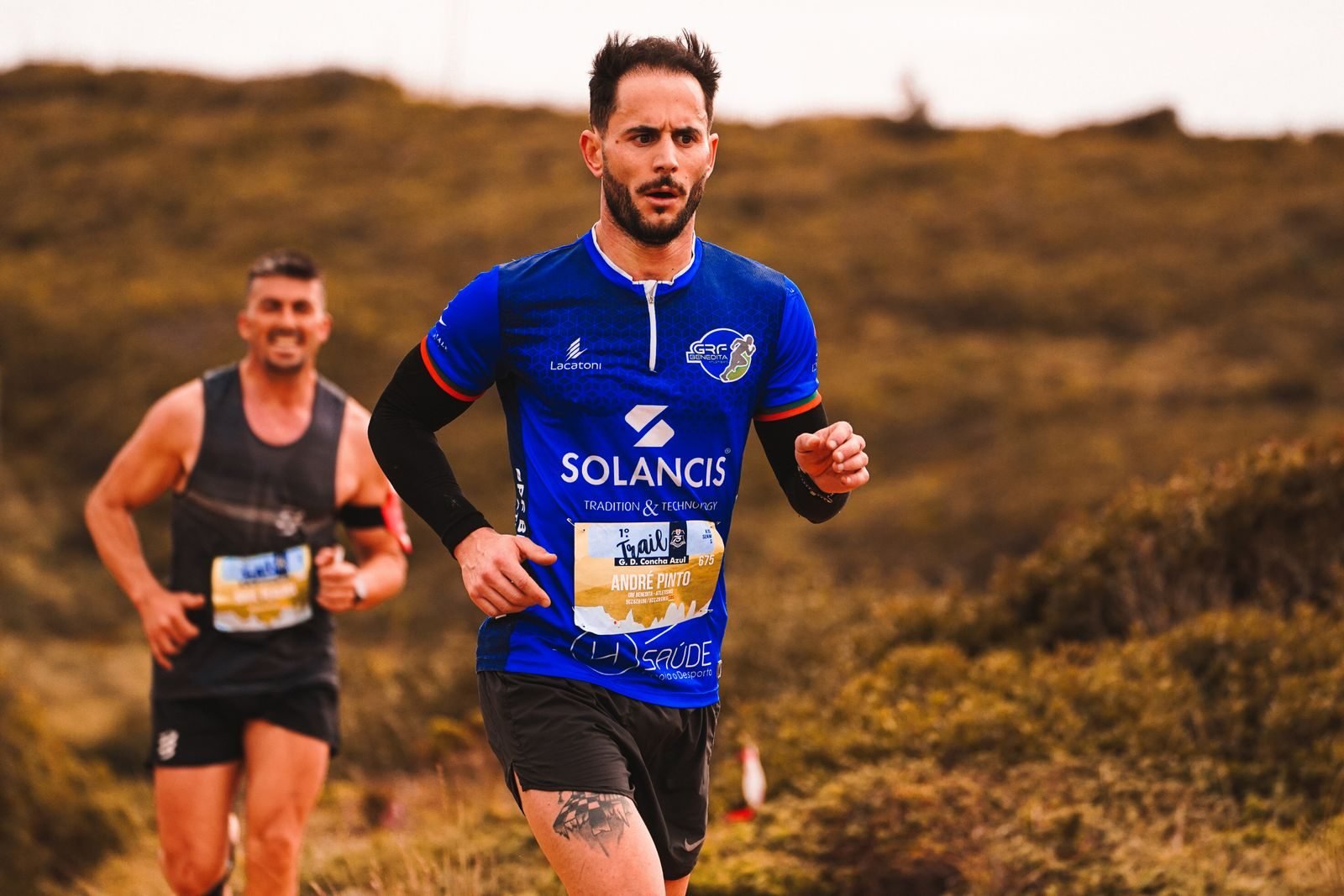
Start slower than your body wants. Everyone runs at the start and bottlenecks form on the first climb, so do not waste energy overtaking. Walk the steep ramps from the beginning and save your legs for the final descents.
Listen to the briefing, because that is where they explain how the course is marked and any last-minute changes. And keep your gel wrappers in your pocket: dropping them on the mountain is usually penalised in race rules.
Common mistakes in a first trail race
The most common is choosing a race that is too long or has too much climbing, out of enthusiasm. Next come starting at road pace and blowing up on the first climb, using new shoes or gear on race day, and never practising descents.
Conclusion
For your first trail race, choose a short distance with little climbing, move one of your weekly runs to the mountains, and practise hiking uphill and descending with short steps. With water, shoes that grip and a calm start, you will most likely finish wanting the next one.
FAQ
What distance is good for a first trail race?
Between 10 and 15 km with less than 600 metres of elevation gain. If you already run road half marathons you can go a bit further, but climbing is what matters most.
Do I need trail shoes for my first trail race?
If the course is on tracks and dry dirt, road shoes with a decent sole may be fine. For loose rock, mud or technical descents, trail shoes with lugs feel much safer.
Do I need a federation licence to run a trail race?
Not always. Many races ask for one, but if you do not have it you can buy day insurance when you register. Each race’s rules tell you what you need.
How long will a trail race take me?
Add the kilometres plus one extra kilometre for every 100 metres of climbing, and multiply the result by your easy flat pace. It gives you a reference; technical descents and heat make it longer.
Is walking allowed in a trail race?
Yes, and it is normal on steep climbs. Hiking briskly on the ramps is more efficient than jogging and leaves you with energy for the end.