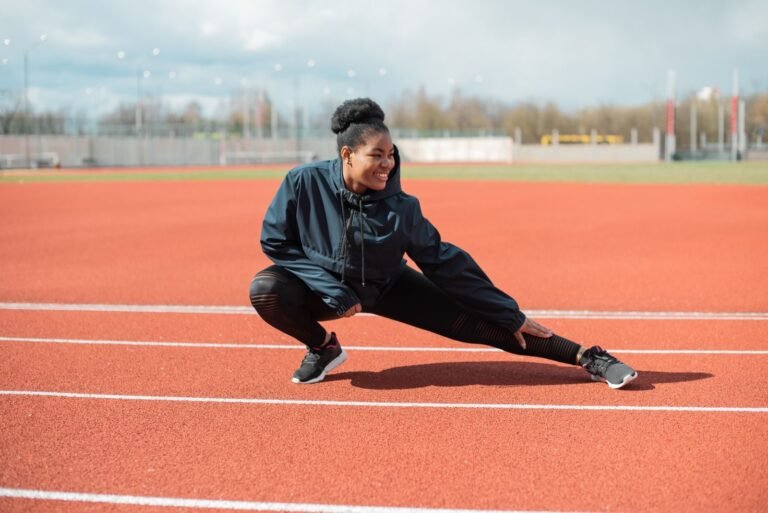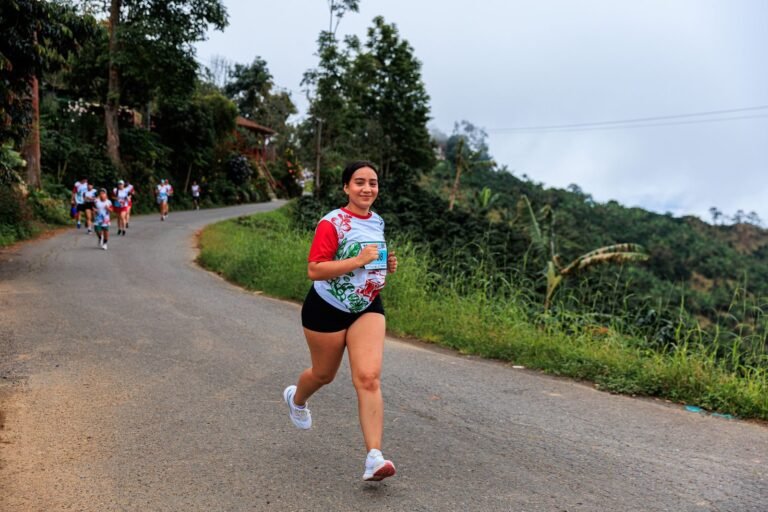
Strength Training for Runners: The Best Exercises and a Routine to Start
Strength training for runners is probably what improves a recreational runner most for every minute invested, and also the first thing that gets skipped when time is short. With two short sessions a week you run with less risk of injury, hold your form better when fatigue arrives and use less energy at the same pace. In this guide I explain why it works, which exercises to do, how many sets and reps, and how to fit it into your week without losing freshness for running.
Why strength training for runners works
The first reason is prevention. Strength training is the measure with the best scientific support for reducing injuries in runners, because it makes your tendons, muscles and bones better able to handle repeated load. I explain it in the guide on runner injury prevention.
The second is performance. A meta-analysis published in the Journal of Strength and Conditioning Research found that adding strength work to training improves the running economy of trained runners, meaning they use less energy at the same pace. And you don’t need to gain weight or muscle bulk to notice it: the effect comes mainly from your nervous system learning to use the muscle better.
The third is form. Many people run well for the first few kilometers and fall apart at the end from muscle fatigue. With more strength in your glutes, core and calves you hold your posture and foot strike better. There is more on this in the guide on running form.

The best strength exercises for runners
You don’t need a gym full of machines. These exercises cover what matters.
Legs
The squat, with your bodyweight or a dumbbell held at your chest, works your quads and glutes. Lunges or Bulgarian split squats work each leg separately, just as running does. The Romanian deadlift strengthens your hamstrings and glutes, which are often forgotten. And step-ups onto a step or bench mimic the running movement very well.
Calves and feet
Calf raises, with a straight knee and with a bent knee, strengthen the calf and soleus, which take an enormous load with every stride. Do them on one leg when you can. They are among the exercises that protect the Achilles tendon most.
Glute medius and core
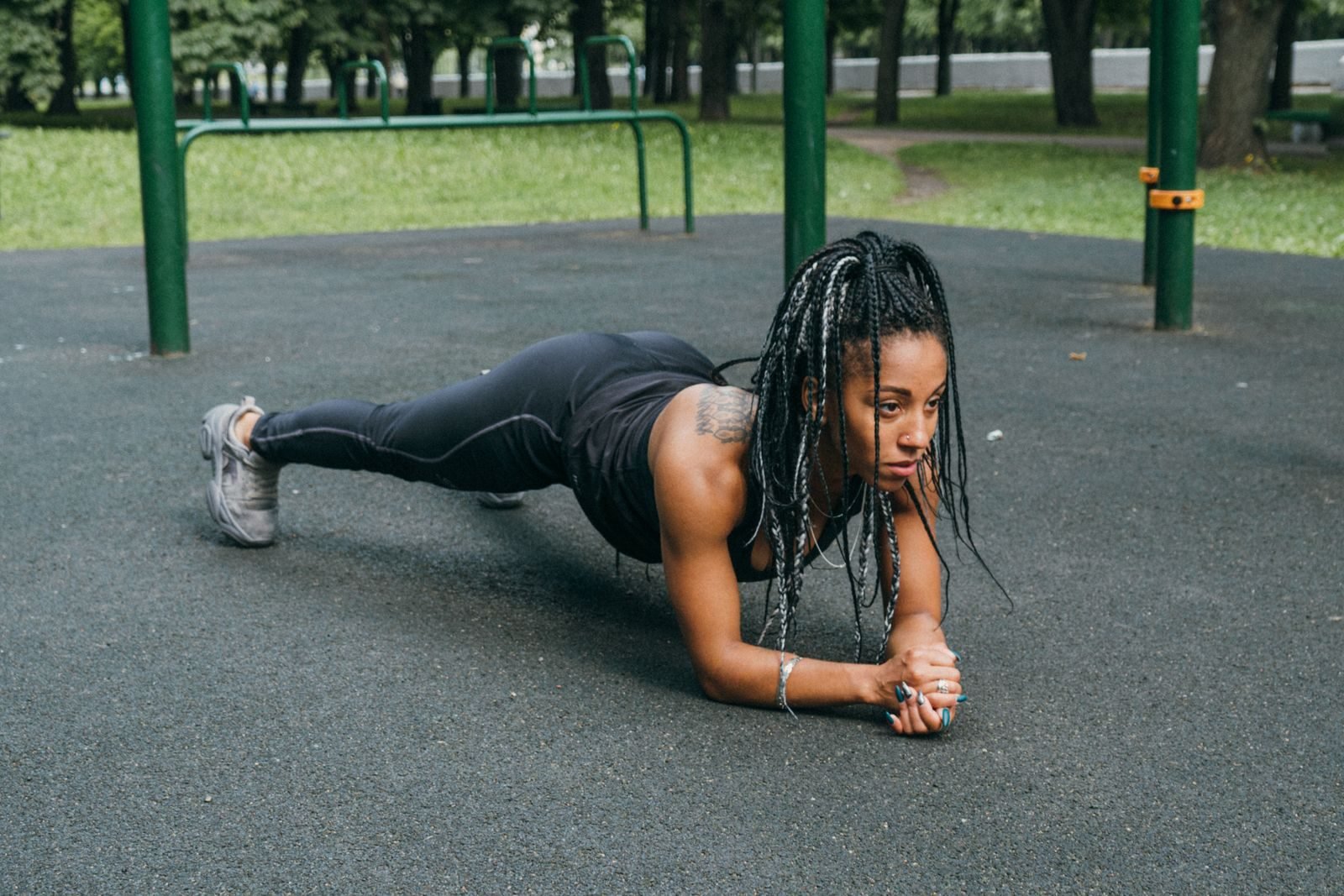
Glute bridges, front and side planks, and single-leg balance exercises help keep your hip from dropping with every step. That is what keeps your knees and hips aligned when fatigue sets in.
Plyometrics
Gentle jumps, high knees and bounding teach your tendons and muscles to return energy. Few reps and done well, always after warming up.
A strength training routine for runners
This routine works as a starting point. Do it twice a week.
| Exercise | Sets and reps |
|---|---|
| Squat | 3 x 8 to 12 |
| Lunge or Bulgarian split squat | 3 x 8 per leg |
| Romanian deadlift | 3 x 8 to 10 |
| Single-leg calf raise | 3 x 12 to 15 per leg |
| Single-leg glute bridge | 3 x 10 per leg |
| Front and side plank | 3 x 30 to 45 seconds |
Start with your bodyweight and, once you complete all the reps easily, add load. To improve running economy, building up to heavy loads with few reps (4 to 6) works better than lots of reps with light weight.
How to fit strength training for runners into your week
The most useful rule is to keep your easy days easy. Ideally, do strength work on the same day as a quality session, a few hours later or straight after, so the next day can be rest or easy. Avoid heavy leg work the day before intervals or your long run.
In the two weeks before an important race, cut your strength volume and drop the heavy loads, just as you do with kilometers. I explain it in the guide on tapering. And if you are just starting to run, start strength training too: that is when it protects you most.
Strength training for runners: common mistakes
The first is leaving strength training for runners for when you have spare time, which is usually never. Two 20-minute sessions are better than a one-hour session you never get to. The second is always doing the same thing with the same weight: if you don’t increase the load gradually, the effect stalls. And the third is loading up suddenly before mastering the movement; technique first, then weight.
Conclusion
Strength training for runners reduces injuries, improves your running economy and helps you hold your form. Do two short sessions a week with squats, lunges, Romanian deadlifts, calf raises, glute bridges and planks, increase the load gradually and put them on your hard days so your easy days stay easy. Choose well, run better.
Frequently asked questions
How many days a week should a runner do strength training?
Two days a week is enough for most runners. In the weeks before a race you can drop to one with less load.
What are the best exercises in strength training for runners?
Squats, lunges or Bulgarian split squats, Romanian deadlifts, calf raises, glute bridges and planks. They cover your legs, calves, hips and core.
Does strength training make runners gain weight?
Not if you combine it with your running training. The performance gain comes mainly from your nervous system, not from building muscle bulk.
Should I do strength training on the same day I run?
You can do it on the same day as a quality session, after running. That way the next day can be easy or a rest day and you don’t lose freshness.
Can I do strength training for runners at home?
Yes. With your bodyweight, a dumbbell or some resistance bands and a step you can do the whole basic routine.