Trail Running Shoes: A Guide to Lugs, Protection and Grip
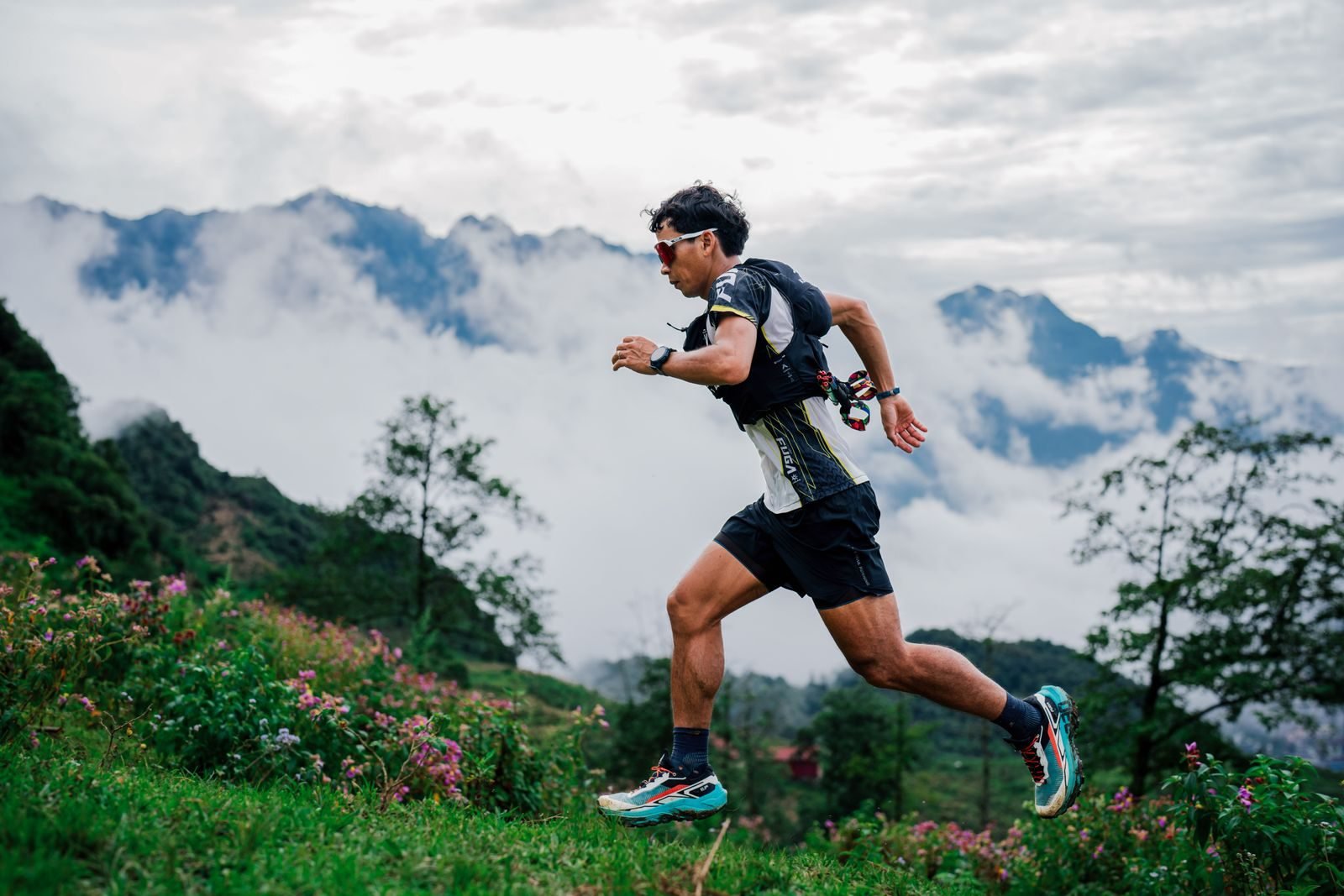
Choosing the right trail running shoes decides whether you enjoy the mountains or spend every descent slipping and finish halfway through the route with wrecked feet. The mountains are unpredictable: mud, loose rock, roots, brutal climbs. Your shoes have to handle all of it. In this guide I focus on what defines a mountain shoe, which is the lugs, the protection and the grip, so you can read a spec sheet and choose the model that fits your terrain.
What makes trail running shoes different from road shoes
First of all, it helps to be clear about why you can’t head into the mountains in your road shoes. A trail shoe’s outsole has lugs to grip on uneven surfaces, where a smooth sole would slide. It has more protection, because on the mountain there are rocks, roots and knocks that don’t exist on the road. It holds your foot more firmly so you don’t slide around on slopes and technical ground. And its materials stand up better to abrasion and often repel water and mud.
Lugs: your connection to the ground
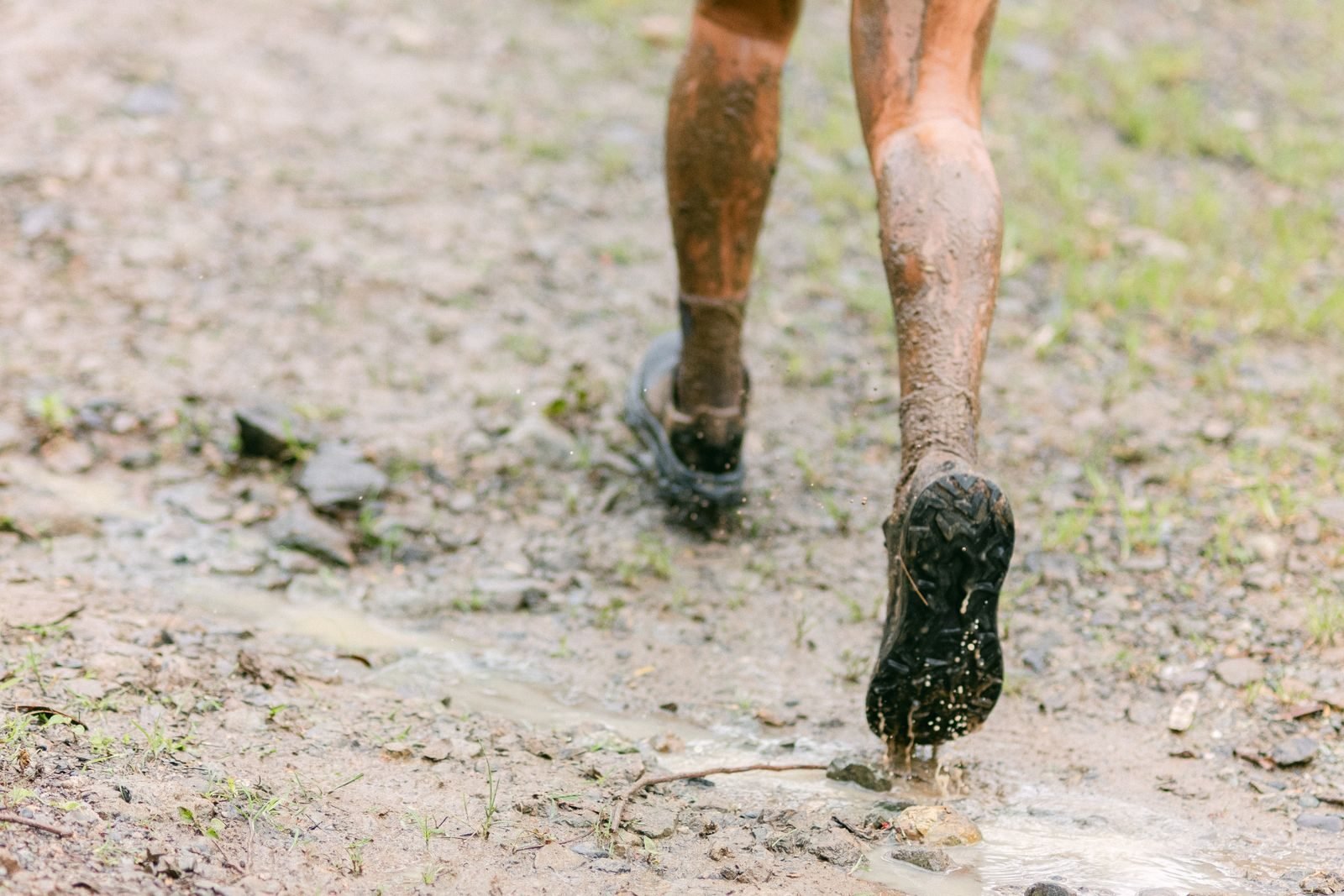
Lugs are the raised parts of the outsole on trail running shoes, and their design decides which terrain the shoe works best on. There is no lug that works for everything, so you have to choose based on where you run.
Height and spacing
Tall, widely spaced lugs, 5 to 8 mm, bite into mud and soft ground because they dig in and shed dirt on their own. They are ideal for wet mountains, grass and loose dirt. On rock or hard-packed trails, though, they feel unstable and uncomfortable.
Short, closely spaced lugs, 2 to 4 mm, give more stability and comfort on dry, compact ground, rock and fire roads. But they lose grip as soon as mud appears. Between the two extremes are multidirectional lugs, the middle ground for anyone who mixes terrain.
Lug direction
Look at which way they point, too. Lugs facing backward help you brake on descents and lugs facing forward help you push off on climbs. A good design combines both.
Rubber compound
It is not all about the pattern. Softer rubber grips better on rock but wears out sooner. Harder rubber lasts more kilometers, although it grips a little less. It is the usual trade-off between durability and performance, and it depends on how much you use the shoe and where.
Protection: so the mountain doesn’t take its toll
On the mountain, your feet take hits that don’t exist on the road, and a trail shoe spreads its protection over several areas.
The reinforced toe cap is a piece of hard rubber at the front that protects your toes when you kick a rock or a root. On technical ground it is essential. The rock plate is a layer between the midsole and the outsole that stops you feeling every sharp stone digging into your sole. You will appreciate it on scree. Side reinforcements protect your foot from scrapes and add support on sloping footholds.
Then there is water. Some models have a waterproof membrane, such as Gore-Tex. They keep your feet dry in mud and puddles, but they breathe less and take longer to dry if they get soaked through. In summer, or in races with stream crossings, a mesh upper that drains quickly is often the better choice.
Grip: the result of everything above
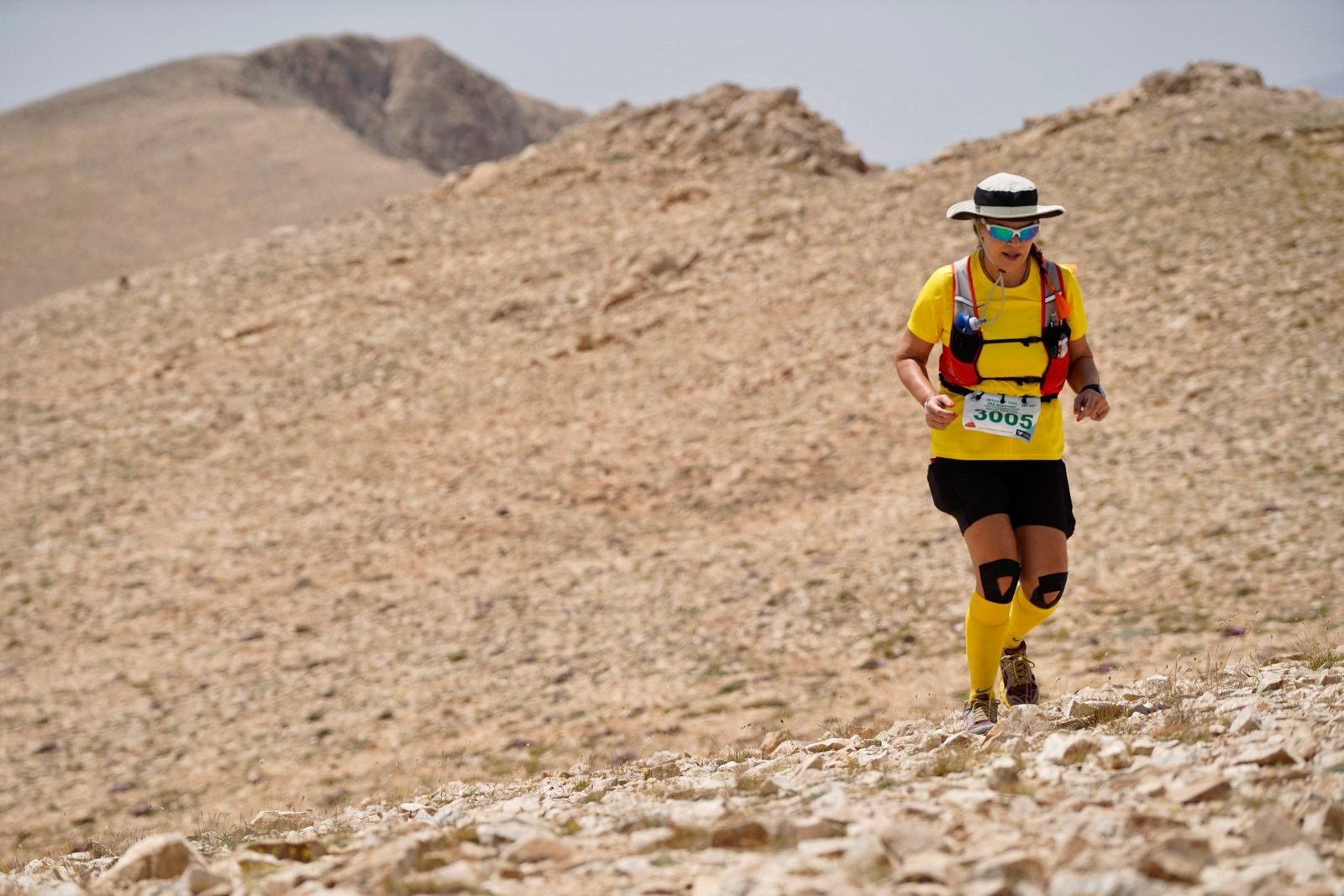
Grip doesn’t depend on the lugs alone. It is the sum of the sole pattern, the rubber compound and how the shoe works as a whole. A shoe grips well when it gives you the confidence to plant your foot firmly without fear of slipping, going up and going down, which is where you notice it most.
To judge a model’s grip, match these factors with your usual terrain:
| Terrain | Lugs | Rubber | Waterproof |
|---|---|---|---|
| Mud and wet mountains | Tall and widely spaced | Soft | Optional |
| Rock and high mountains | Short or medium, sticky rubber | Soft | Depends on climate |
| Fire roads and hard-packed dirt | Short and close together | Medium or hard | No |
| Mixed | Multidirectional | Medium | Optional |
If you run on mixed terrain, a versatile shoe will cover almost everything. If you specialize in lots of mud or lots of rock, a specific model is worth it. You can compare models in our shoe comparison or check current offers in deals.
Other factors when choosing trail running shoes
Drop and cushioning matter just as they do on the road, although trail shoes usually have a bit more protection underfoot. Sizing is even more critical than on the road, because on descents your foot slides forward and hits the toe box. Leave enough room if you don’t want to end up with black toenails.
And think about the kind of race you are going to do. A shoe for weekday runs in the hills is not the same as one for an ultra or a vertical kilometer. To choose according to your goal race, look for mountain races in the race directory. If you are going long, plan your fueling with the race carb calculator too.
If you are going to race, check the mandatory gear rules published by the organizer or by the national mountain sports federation, such as the Spanish Mountain Sports Federation (FEDME).
Conclusion
Choosing the right trail running shoes comes down to matching three things with your terrain: lugs suited to the surface (tall for mud, short for rock and fire roads), enough protection for how rough your route is, and grip that gives you confidence. Don’t look for the best shoe in the abstract. Look for the one that fits the mountains you run in. Choose well, run better.
Frequently asked questions
Can I use trail running shoes on the road?
Occasionally, yes, but it isn’t ideal. The lugs wear down quickly on asphalt and the shoe feels less comfortable and stable on hard surfaces. If you often combine both, it is better to have a pair of each or a hybrid model.
What lug height do I need?
It depends on the terrain. For mud and wet mountains, tall, widely spaced lugs (5-8 mm) that bite and shed dirt. For rock and hard-packed trails, short, closely spaced lugs (2-4 mm) for stability. If you mix terrain, go for multidirectional lugs.
Are waterproof (Gore-Tex) shoes worth it?
It depends on how you use them. They keep your feet dry in mud and puddles, but they breathe less and take longer to dry if they get soaked. They work well in winter and cold weather. In summer or in races with stream crossings, a mesh upper that drains quickly is usually better.
What is a rock plate?
A stiff layer between the midsole and the outsole that stops you feeling sharp stones under your foot. It is very useful on scree and technical terrain, although it takes away some of the shoe’s flexibility.
Do trail running shoes fit the same as road shoes?
It is usually the same size, but fit matters even more because of the descents, where your foot slides forward and can hit the toe box. Leave enough room to avoid black toenails.