Maltodextrin for runners: what it’s for and how to use it
Maltodextrin for runners appears on the label of nearly every gel and sports drink, yet few runners know exactly what it is or how to make the most of it. Does it really help you perform better? How much should you take? Is it true that you just need to rinse your mouth with it without swallowing? In this guide we go over what the evidence says about maltodextrin, in which events it helps, and how to use it without wrecking your stomach. With one important underlying idea: there’s no universal magic dose—it all depends on your tolerance and the duration of the event. Let’s get to it.
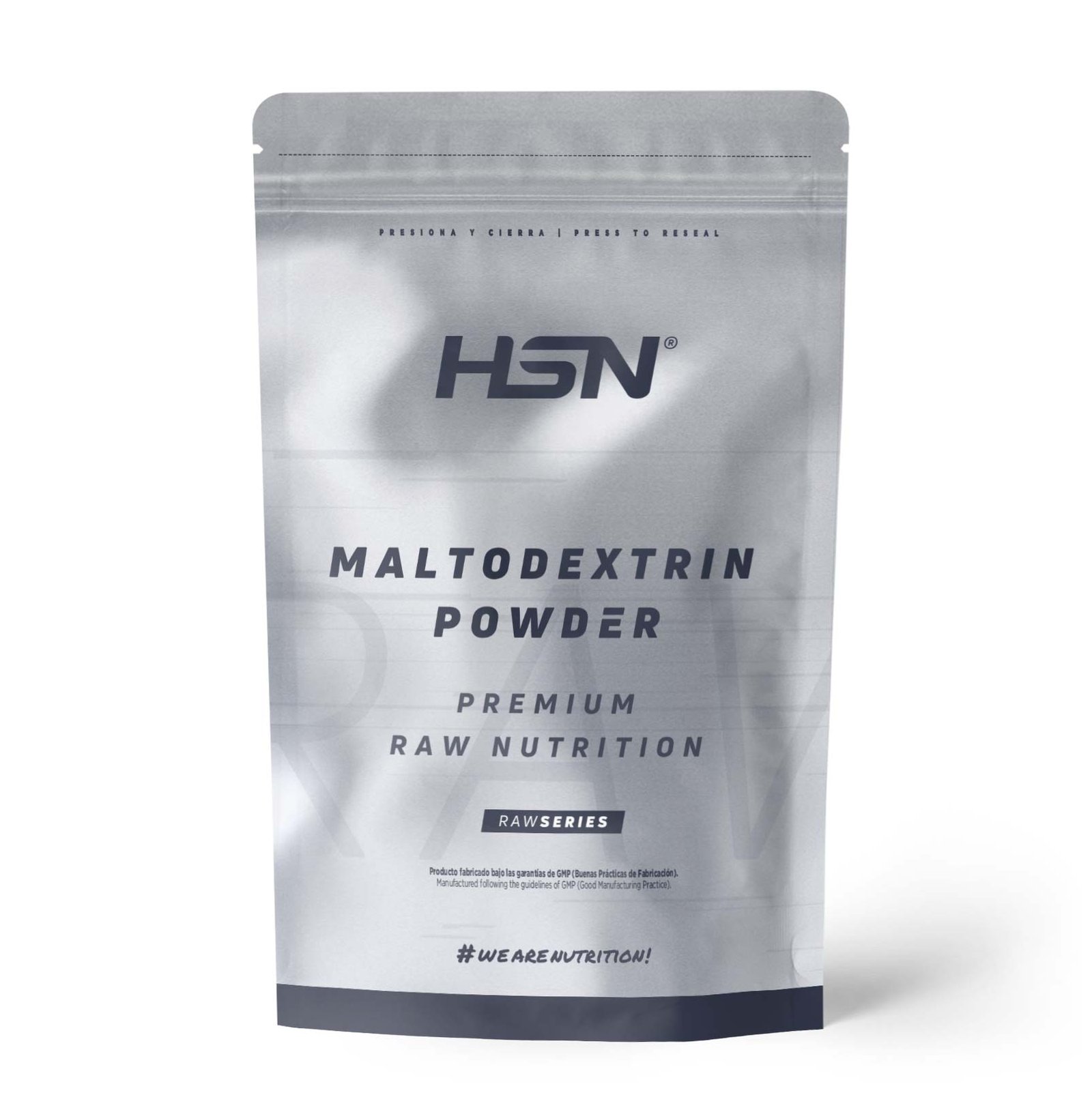
What maltodextrin is and why it’s in your gels
Maltodextrin is a fast-absorbing carbohydrate derived from starch (corn, potato, or wheat). It’s used massively in sports nutrition because it provides energy efficiently, has a neutral taste, and is easy to dissolve, which makes it ideal for gels and drinks.
Its function is simple to understand: to provide carbohydrates that your body can oxidize (burn) during exercise to maintain performance when your own reserves start to run out. Put another way, it’s easy-access fuel for long efforts.
But—and here’s the interesting part—its usefulness depends greatly on how and when you use it.
Does it really work? What the evidence says by distance
Maltodextrin is not equally useful in every event. The evidence clearly distinguishes by duration and intensity:
Prolonged endurance events (marathon, ultra): this is where it shines most. A science-based nutrition strategy that includes maltodextrin has been shown to improve finishing times compared to eating “whatever you feel like.”
High-intensity or intermittent efforts: it can help, even used as a mouth rinse (we’ll get to that), reducing perceived fatigue.
Short events (5K): here it provides no significant advantage. In distances of about 5 km, studies have found no ergogenic benefit using maltodextrin rinses versus placebo.
The practical takeaway: the longer the event, the more sense a maltodextrin strategy makes. For a 5K, it won’t change your race.
The 3 uses of maltodextrin for runners
The scientific literature describes three ways to use it, each with its own moment.
Use 1: intake during exercise
This is the classic use: taking in carbs during the race via gels or drink. Intakes of up to 60, 90, and even 120 g/h have been studied in elite runners, often combining maltodextrin with fructose to improve oxidation (the body absorbs both by different pathways and thus makes better use of them). The more you take, the more energy available, but also the more digestive risk if you’re not used to it.
Use 2: mouth rinse (without swallowing)
This is the most curious and least known. It consists of holding a small sip of a carbohydrate solution in your mouth (concentrations of 6–10% have been studied, boluses of about 25 ml for ~10 seconds) and spitting it out. Even though you don’t swallow it, there are receptors in the mouth that “signal” the brain that energy is arriving, which reduces perceived fatigue.
Its big advantage: you get a performance benefit without digestive load, which reduces the risk of gastrointestinal discomfort. It’s a very useful alternative in high-intensity events where swallowing a gel is uncomfortable.
Use 3: pre-exercise intake
Taking it before running has also been studied: for example, doses of around 1.5 g/kg of body weight about 30 minutes beforehand, or prior supplementation to maintain power over repeated sets. The idea is to start with energy available from the outset.

Benefits and discomfort: the balance you have to manage
The main benefit of maltodextrin is maintaining energy availability and sustaining carbohydrate oxidation rates during prolonged exercise. In the case of the mouth rinse, that benefit comes with almost no digestive cost.
The risk lies in the amount. High carbohydrate consumption, especially at high rates like 120 g/h, can increase nausea, feelings of fullness, and abdominal cramps. The good news is that, with a well-planned strategy, that discomfort can be low and similar to that of other carbohydrate sources.
The key, as with almost everything in sports nutrition: tolerance is highly individual. What sits perfectly with one runner sits terribly with another.
How to use it without ruining your stomach
This is where everything we already know comes together:
Train your gut. If you plan on high intakes (above 60–90 g/h), it’s essential to gradually accustom your digestive system. We explain it step by step in the guide on how to train your gut to tolerate gels.
Personalize the dose. There’s no single ideal amount. The maltodextrin + fructose combination improves oxidation, but tolerance rules.
Choose the strategy according to the event. Intake for long events; mouth rinse for intense efforts where swallowing bothers you.
Never debut it on race day. Always rehearse in training.
To find out how many total carbs you need for your specific event (and thus decide how much maltodextrin to provide), use our in-race carbohydrate calculator. And for the complete nutrition framework, there’s the guide on what to eat before, during, and after a race.
As an external reference, specialized publications such as the Journal of the International Society of Sports Nutrition compile the research on carbohydrate intake in endurance on which these recommendations are based.
A note on limitations
It’s worth being honest: much of the evidence comes from laboratory studies, which don’t always reflect the real conditions of a competition (heat, nerves, variable pace). In addition, the gastrointestinal response varies enormously from one person to another, which makes it difficult to give universal guidelines. Take the figures in this article as research references, not as a closed prescription for you.
Conclusion
Maltodextrin for runners is an effective tool, but only if you use it wisely. To sum up:
It’s more useful the longer the event; in a 5K it provides no advantage.
Three ways to use it: ingested during the race, as a mouth rinse (no digestive load), and before the effort.
The limit is set by your stomach: high rates perform better but require training the gut.
Personalize, rehearse, and adjust to your tolerance. There’s no magic dose—there’s the one that works for you. Choose well, run better.
Frequently asked questions
What is maltodextrin for in running?
It’s a fast-absorbing carbohydrate that provides energy during exercise, helping maintain performance in prolonged efforts when your own reserves are depleted. It’s used in gels and sports drinks, and can also be used as a mouth rinse.
How much maltodextrin can you take per hour while running?
Studies have evaluated intakes of up to 60, 90, and even 120 g/h of carbohydrates in elite runners, often combining maltodextrin with fructose. However, high rates increase the risk of digestive discomfort and require having trained the gut beforehand.
Does rinsing your mouth with maltodextrin without swallowing really work?
Yes, there’s evidence that a mouth rinse with a carbohydrate solution reduces perceived fatigue and can improve performance in intense efforts, because there are receptors in the mouth that alert the brain. Its advantage is that it provides a benefit without digestive load.
Is maltodextrin useful for a 5K race?
Not much. Studies have found no significant advantages to using maltodextrin (for example, as a mouth rinse) versus placebo in short events of around 5 km. Its usefulness grows the longer the event.
Does maltodextrin upset the stomach?
It can if you take high amounts without being used to it, causing nausea, fullness, or cramps. With a well-planned strategy and having trained the gut, discomfort is usually low and similar to that of other carbohydrate sources.