ADIDAS TERREX AGRAVIC 4
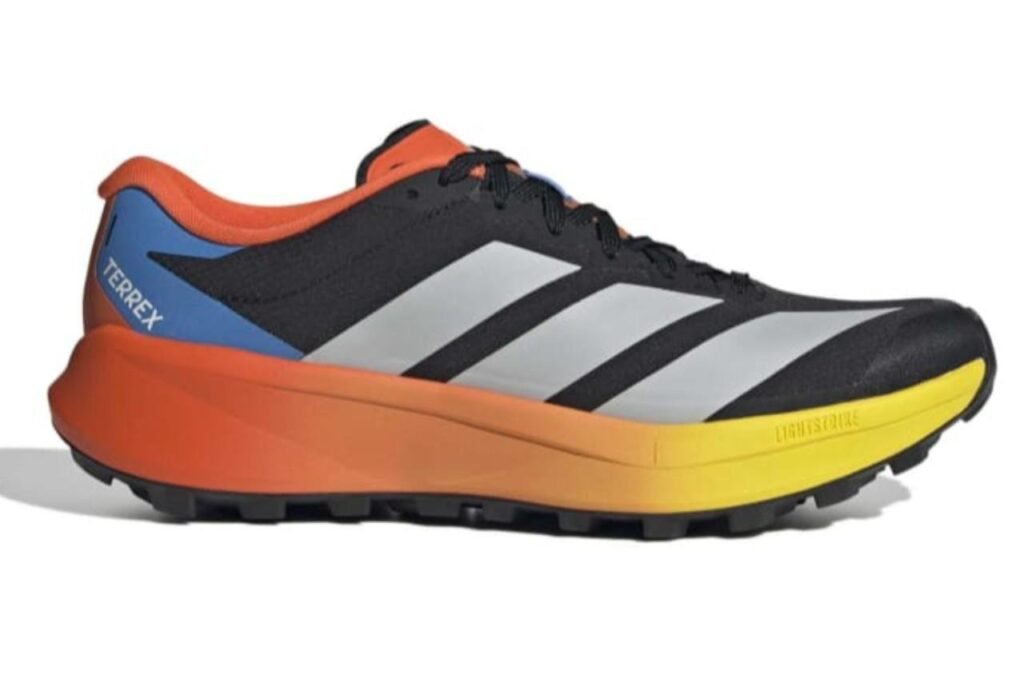
| Type | Trail |
| Weight | 283 g |
| Drop | 9 mm |
| Foot strike | Neutral |
| Recommended use | Mixed |
| Carbon plate | No |
adidas Terrex Agravic 4 Review: Features, Specs and Verdict
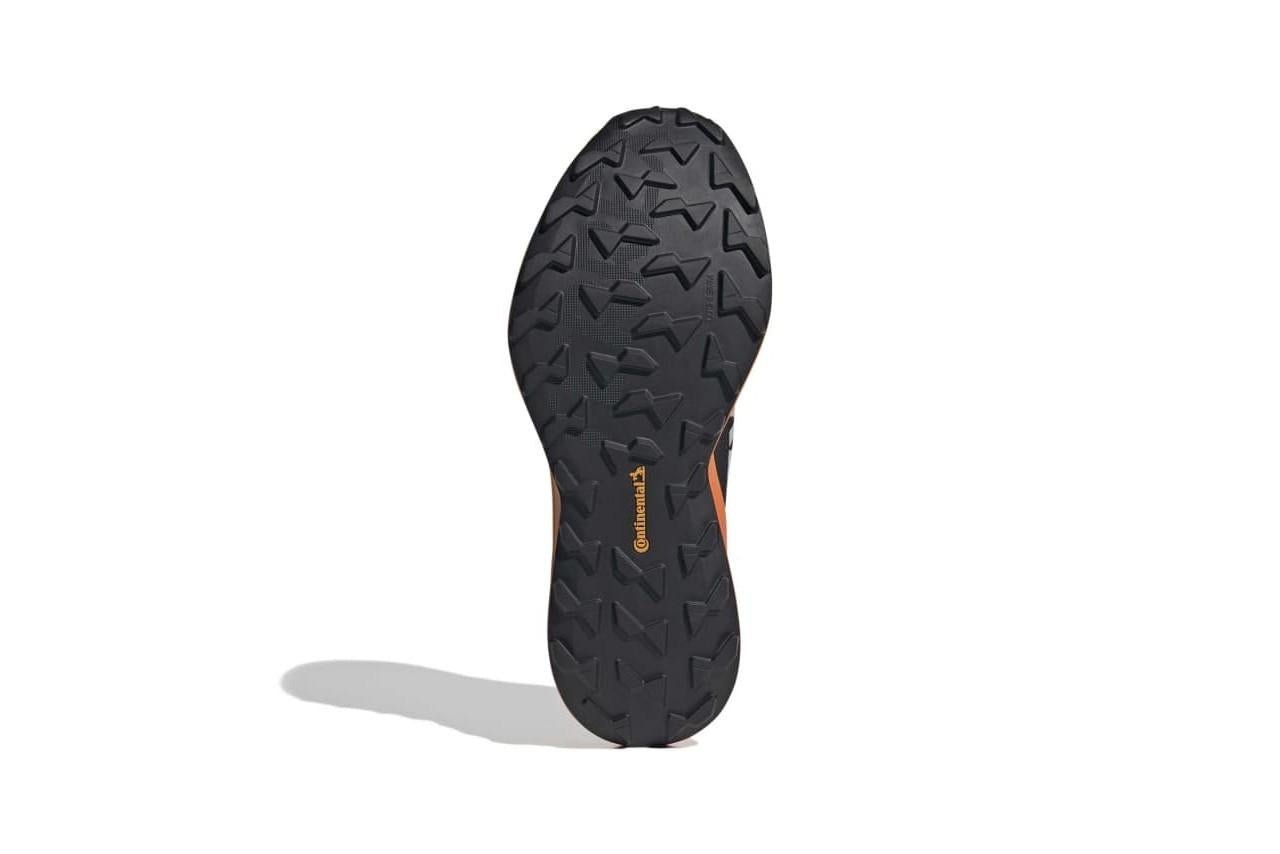
The adidas Terrex Agravic 4 is adidas’s all-round trail shoe for paths and fire roads, with a Continental outsole covering the whole sole and shallow 3.1 mm lugs. In the lab it weighed 283 g and measured a 9.1 mm drop. At BIKILA it costs well below its launch price.
This review is based on the official product description and on the lab tests published by RunRepeat, not on our own testing. The 7.8 out of 10 score is an indicative rating based on that data.
What the adidas Terrex Agravic 4 offers
The Agravic 4 is the most balanced trail shoe in the Terrex range. It is neither the lightest nor the most cushioned, and it aims to cover daily training on trails plus short and mid-distance races. Its strong point is the Continental rubber, which covers the whole sole and shields the midsole from rocks.
adidas Terrex Agravic 4 specs
| Feature | Data |
|---|---|
| Lab-measured weight | 283 g |
| Lab-measured drop | 9.1 mm |
| Heel / forefoot stack (lab) | 32.6 / 23.5 mm |
| Lug depth | 3.1 mm |
| Outsole thickness | 1.7 mm |
| Surface | Trail |
| Pronation | Neutral |
| Carbon plate | No |
| Price at BIKILA (November 2026) | €109.95 |
If you want to understand drop and stack height, see drop, cushioning and carbon plate.
Midsole and ride
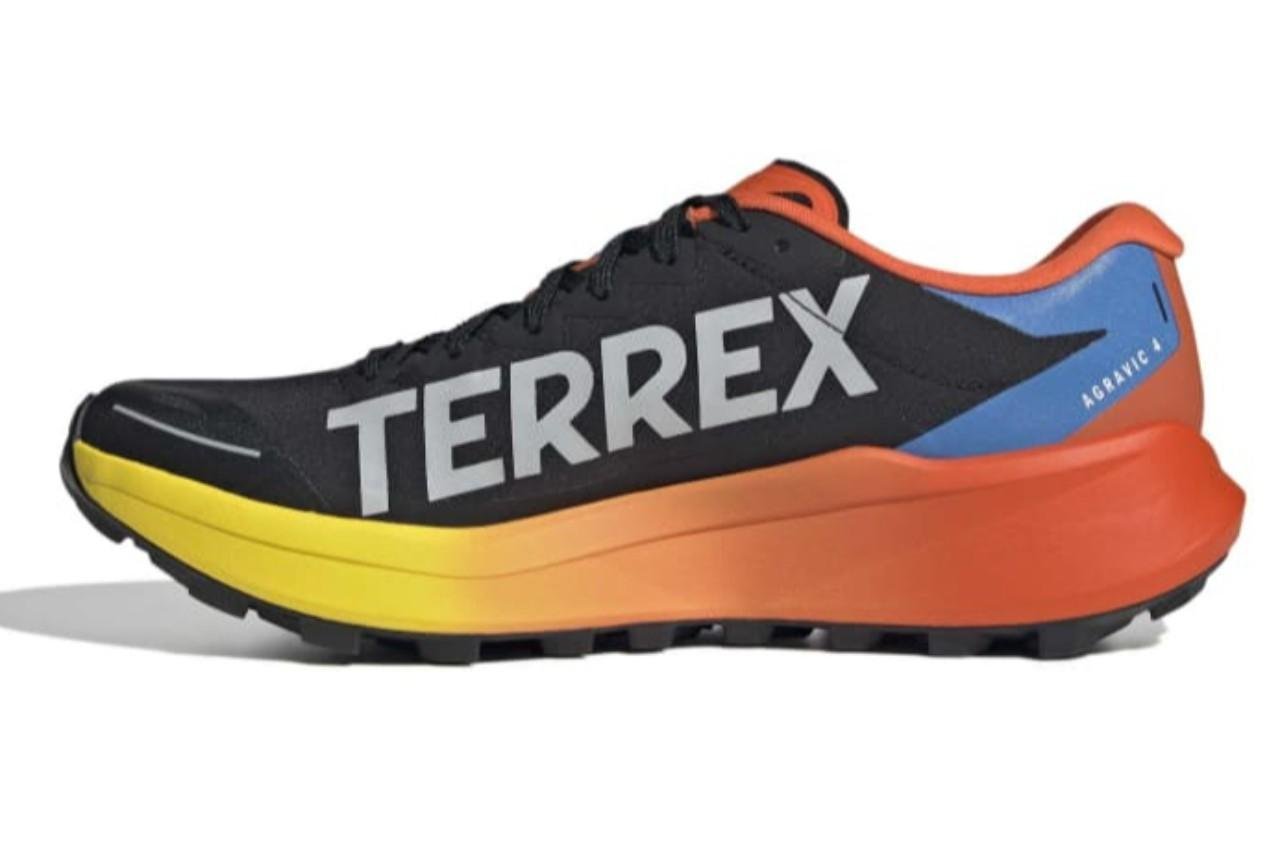
The foam tested as balanced (33.3 on RunRepeat’s durometer) and absorbed impact well for its height: 122 units at the heel and 102 at the forefoot. With 32.6 mm at the heel it is a mid-stack shoe. The 9.1 mm drop is among the highest for trail shoes and feels familiar if you come from road shoes.
Upper and fit
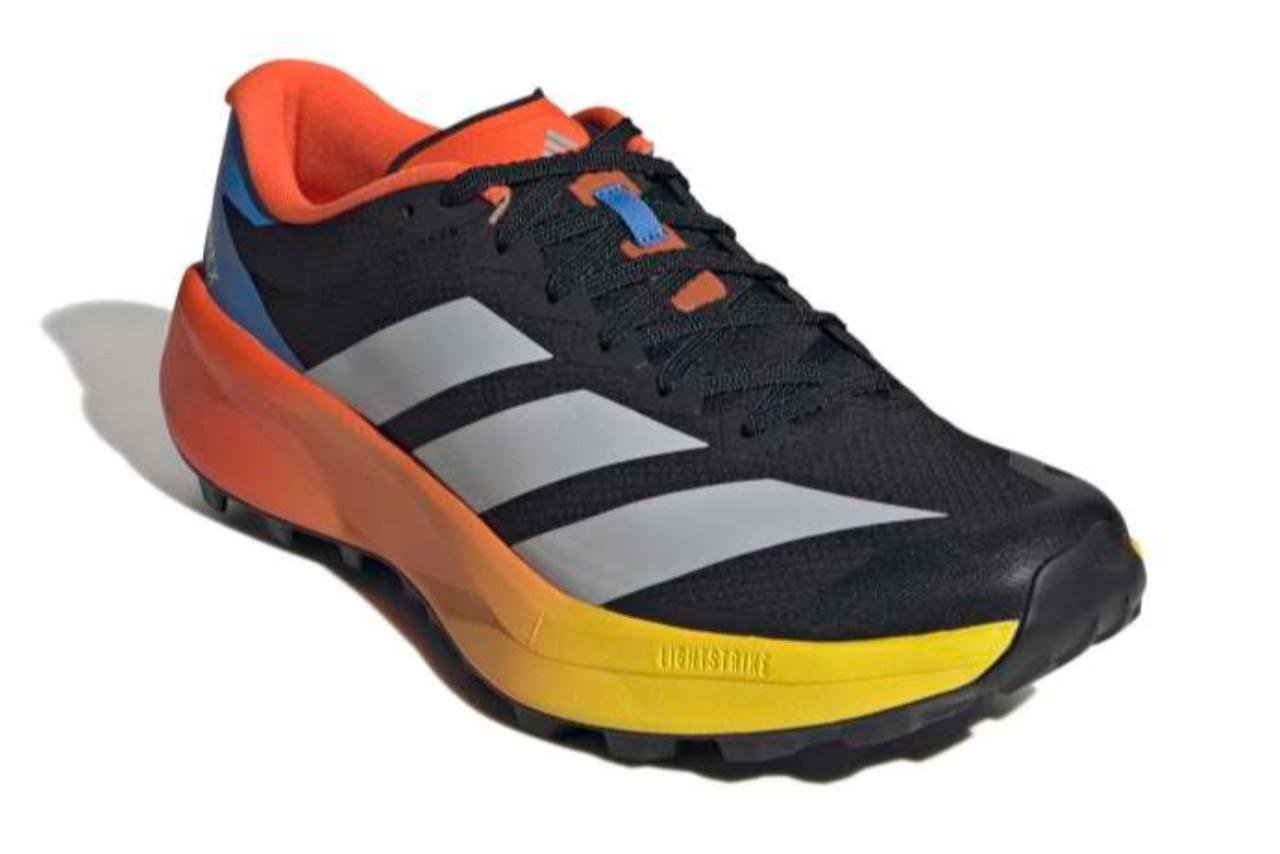
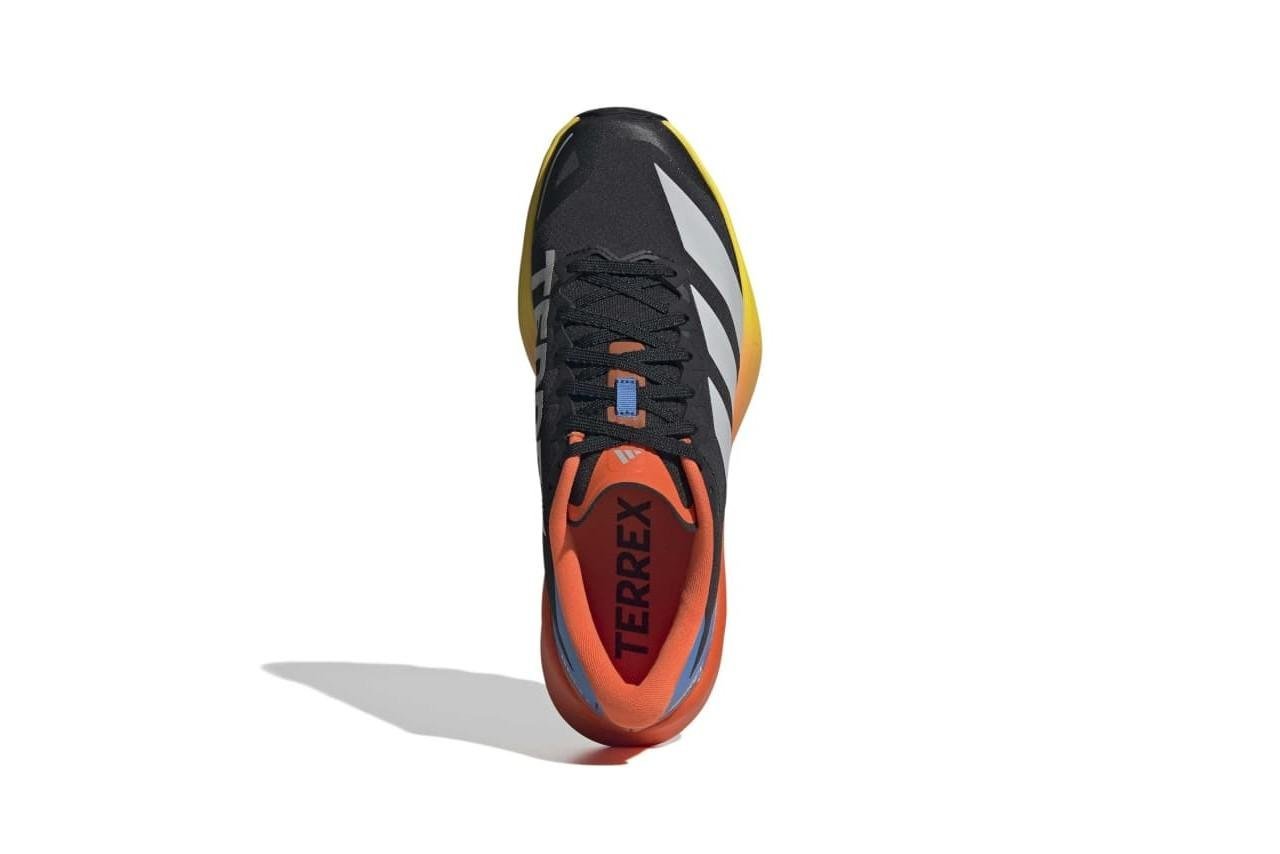
The upper is thin but has almost no ventilation holes, and in RunRepeat’s test it ran warm. You will notice it more in summer than in winter. Torsional rigidity is moderate (14.5 Nm), so the shoe adapts to the ground without feeling soft. To get the size right, follow our running shoe size guide.
Outsole and grip
The Continental outsole covers the whole sole and is 1.7 mm thick. The 3.1 mm lugs are shallow: they work well on fire roads, hardpack and road sections, and fall short in mud or wet grass. If your runs mix trail and tarmac, it is a good option; for technical, muddy mountain terrain, look for lugs of 5 mm or more.
Who is the adidas Terrex Agravic 4 for?
Runners starting out in trail, or who mostly run on fire roads and easy paths, and anyone who wants a shoe that copes with road sections. Also for runners after a trail shoe with quality rubber for under €120.
Who it is not for: if you run in mud and technical terrain, or in hot summer weather, there are better options.
Pros and cons
Pros:
- Full-length Continental outsole
- Good price at BIKILA
- Comfortable on fire roads and tarmac
Cons:
- Shallow lugs for mud
- Warm upper
Alternatives
Compare it with other shoes reviewed on KnowPace: the Saucony Peregrine 16, softer and more flexible, or the NNormal Tomir 02, with deeper lugs. You can put them side by side in the shoe comparison tool or browse them all in the shoes section.
Final verdict
The Terrex Agravic 4 is a trail shoe for fire roads and easy paths, with a very durable Continental outsole and a discounted price that makes it worth a look. In mud and technical mountain terrain it comes up short. Before you decide, our guide on how to choose trail running shoes can help. Choose well, run better.
Frequently asked questions
How much does the adidas Terrex Agravic 4 weigh and what is its drop?
In RunRepeat’s lab it weighed 283 g and measured a 9.1 mm drop, with 32.6 mm at the heel and 23.5 mm at the forefoot.
Can you run on roads in the Agravic 4?
Yes. The 3.1 mm lugs and Continental rubber make it comfortable on road sections and fire roads.
How much does the adidas Terrex Agravic 4 cost?
In November 2026 it is €109.95 at BIKILA, down from €140. The price changes with size, colour and current offers.
What score does the adidas Terrex Agravic 4 get?
We give it 7.8 out of 10, an indicative rating based on the published lab review.