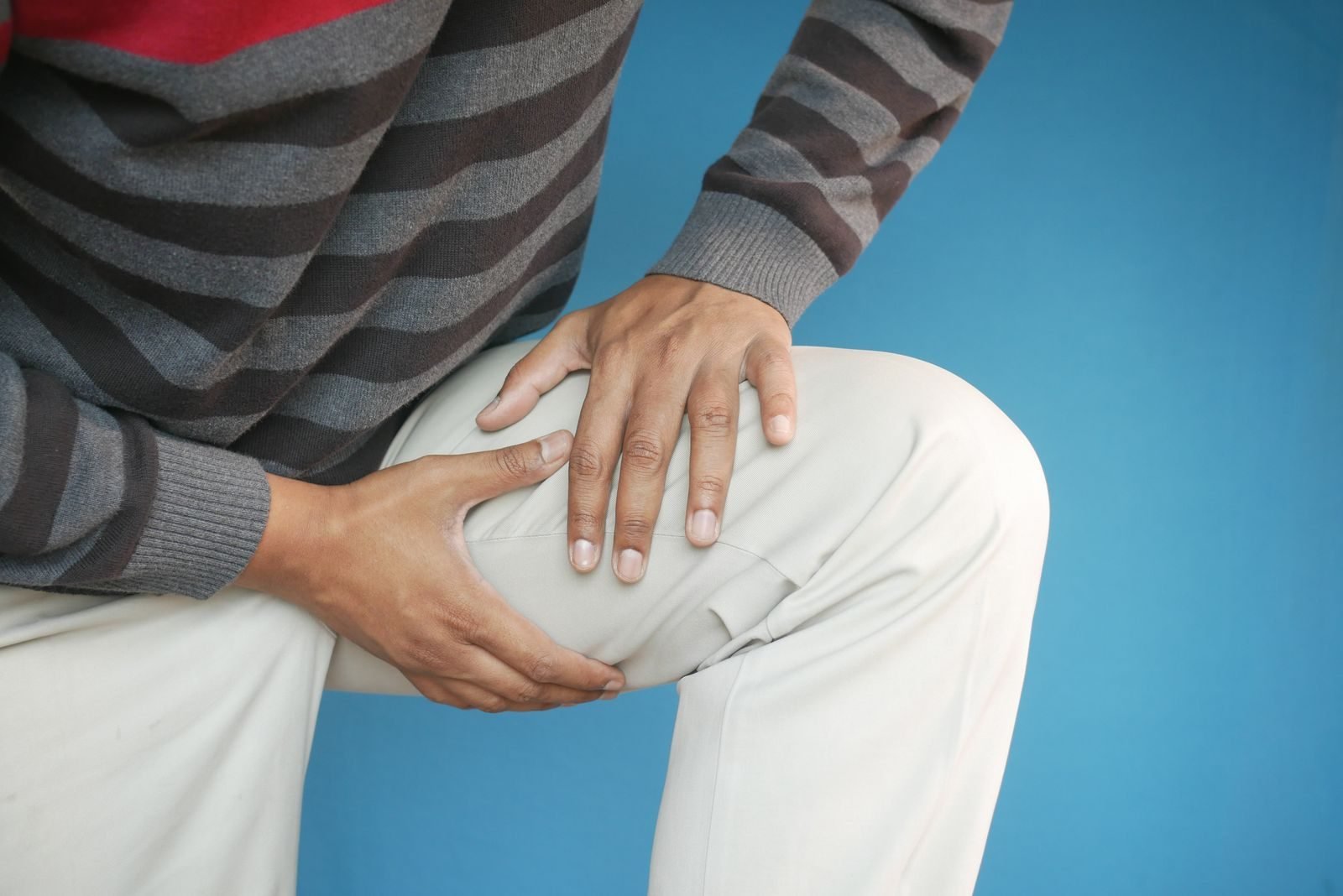
Runner’s Knee and IT Band Syndrome: Knee Pain From Running Explained
Knee pain from running usually comes down to one of two very common injuries: pain around the kneecap, known as runner’s knee, and iliotibial band syndrome, which hurts on the outside of the knee. They have in common that they appear from overload and improve with changes to your training and strength work, but they are recognized and treated slightly differently. In this guide I explain how to tell them apart, why they appear, which exercises help and how to return to running. This is general information and doesn’t replace a diagnosis from a professional.
The two main causes of knee pain from running
Patellofemoral pain (runner’s knee)
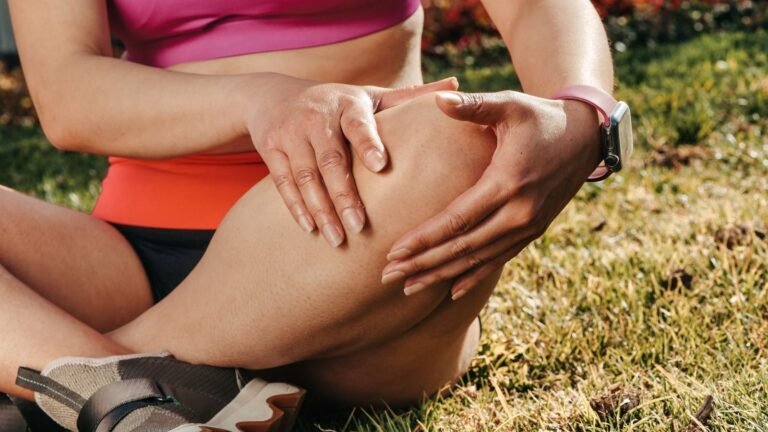
This is the most common one. It hurts around or behind the kneecap, in a diffuse way, and usually gets worse going down stairs, squatting, running downhill or after sitting for a long time with your knees bent. Its technical name is patellofemoral pain syndrome.
Iliotibial band syndrome
The iliotibial band is a band of tissue that runs down the outside of the thigh to the knee. When it is overloaded, a sharp pain appears on the outside of the knee, usually at the same point in every run, and forces you to stop. It gets worse downhill and at slow paces.
When to see a doctor
See a professional if your knee swells, locks, gives way, if the pain started after a blow or a twist, or if it doesn’t improve after a few weeks of adjusting your training. Those symptoms can point to meniscus or ligament injuries, which need a different approach.
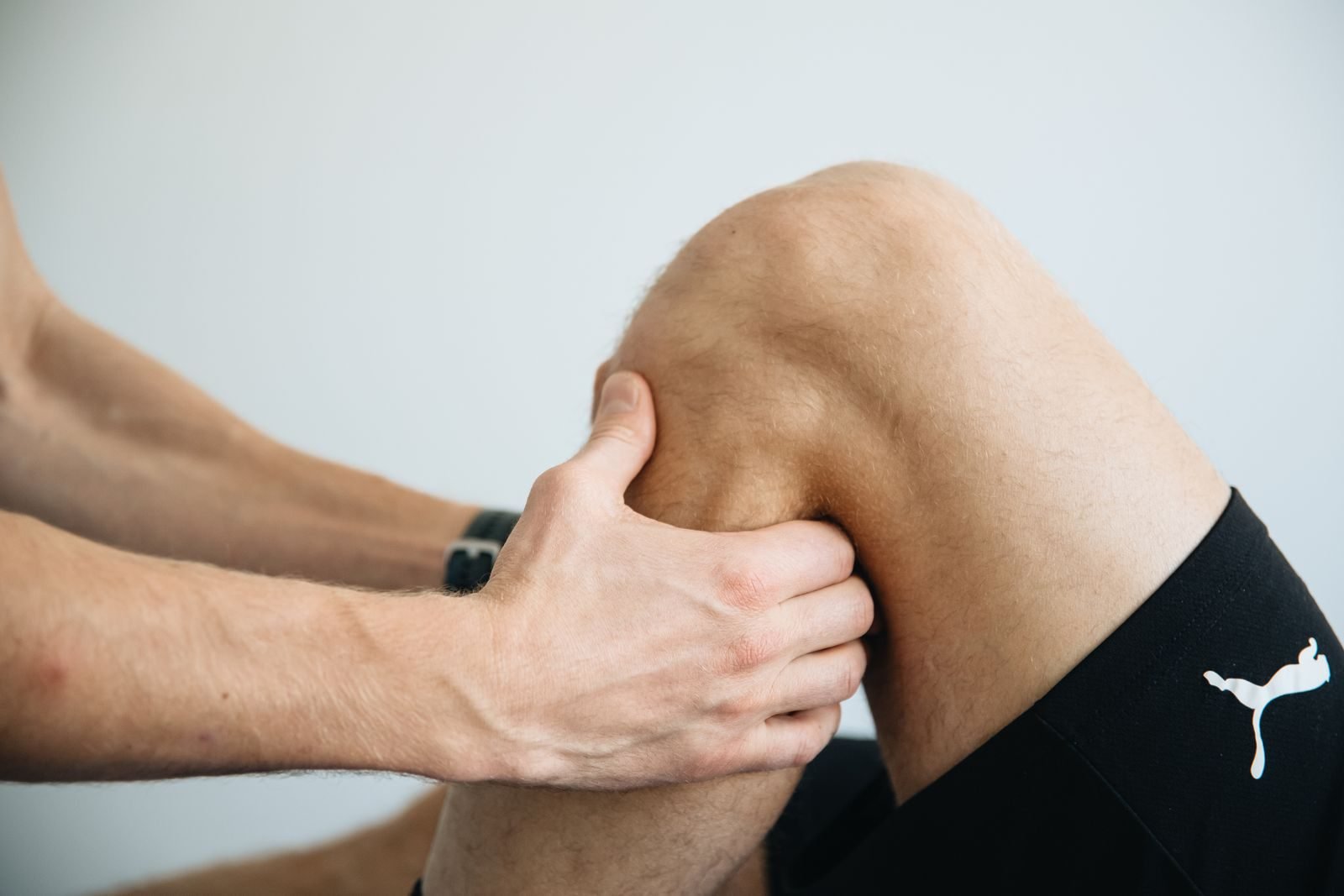
Why knee pain from running appears
Like almost all overuse injuries, the main cause is increasing volume or intensity too quickly. I explain it in the guide on runner injury prevention.
On top of that, some factors load the knee more: long strides with your foot landing well in front of your body, weak glutes and quads, which let your hip drop and your knee cave inward, lots of downhill running or always running on the same side of a cambered road.
What to do if your knee hurts when you run
Adjust the load
Cut your volume and avoid for a while whatever hurts most: descents, fast intervals or long runs. A useful reference is that pain during and after running shouldn’t go beyond 3 out of 10 and shouldn’t be worse the next day. If it is more, stop for a few days and cycle or swim if they don’t hurt.
Strengthen your hips and quads
This is the part of treatment with the best support, especially for patellofemoral pain. Work your glute medius with side leg raises and single-leg glute bridges, and your quads with squats or leg press in a pain-free range. There is a full routine in the guide on strength training for runners.
Raise your cadence a little
Increasing your cadence by 5 to 10% reduces the load on the knee, according to a study published in Medicine & Science in Sports & Exercise. I explain it step by step in the guide on running cadence.
About the foam roller
Rolling the outside of your thigh can ease the feeling of tightness, but it doesn’t stretch the iliotibial band, which is very stiff tissue. Use it if it feels good, without expecting it to fix the problem on its own.
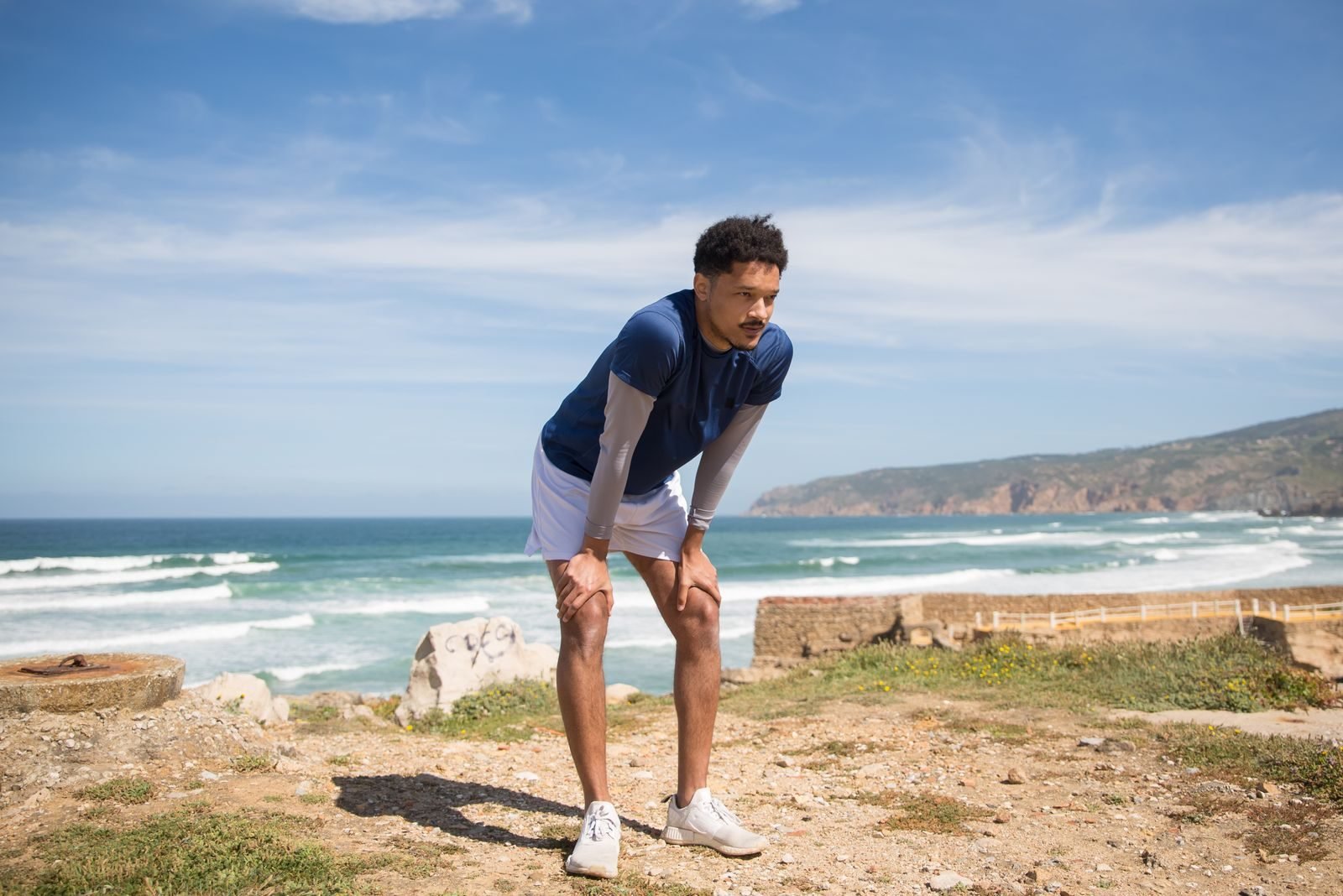
How to return to running
When you can go down stairs and do a squat without pain, come back with short runs on flat ground and build up gradually. If you had iliotibial band syndrome, finish the run before the pain appears and add a few minutes each time. Leave descents and intervals for the end of the process, and keep up your strength work even when it no longer hurts.
How to prevent knee pain from running
Increase volume progressively, keep two strength sessions a week with hip work, run with slightly shorter steps, vary your surfaces and sides of the road, and train descents gradually. The guide on running form has more on how to land your foot.
Conclusion
Knee pain from running usually means pain around the kneecap or iliotibial band syndrome on the outside of the knee. Both come from overload and improve by adjusting volume, strengthening your hips and quads and raising your cadence a little. Return gradually, leave descents for last and see a professional if your knee swells, locks or gives way. Choose well, run better.
Frequently asked questions
What is runner’s knee?
It is the popular name for overload pain around the kneecap, although it is sometimes also used for iliotibial band syndrome, which hurts on the outside of the knee.
Can I run with knee pain?
If the pain is mild, stays at 3 out of 10 or below and you aren’t worse the next day, you can run with less volume and avoid descents. If it hurts more, rest and get checked if it doesn’t improve.
What exercises help knee pain from running?
Strengthening your glute medius with side leg raises and glute bridges, and your quads with squats in a pain-free range.
How do I know if it is my iliotibial band?
If the pain is on the outside of the knee, appears at the same point in every run and gets worse downhill, it is probably the iliotibial band.
Does foam rolling fix iliotibial band syndrome?
No. It can ease the feeling of tightness, but the band doesn’t stretch with a roller. What fixes the problem is adjusting load and strengthening your hips.