Plantar Fasciitis in Runners: Symptoms, Treatment and When to Run Again
Plantar fasciitis is one of the most common injuries in runners and one of the most frustrating, because it can last months if it isn’t managed well. Its typical symptom is unmistakable: heel pain with your first steps in the morning that eases as you move and comes back after sitting for a while. Most cases resolve without surgery, with patience and good load management. In this guide I explain what it is, why it appears, which exercises work and when you can run again. This is general information and doesn’t replace a diagnosis from a professional.
What plantar fasciitis is
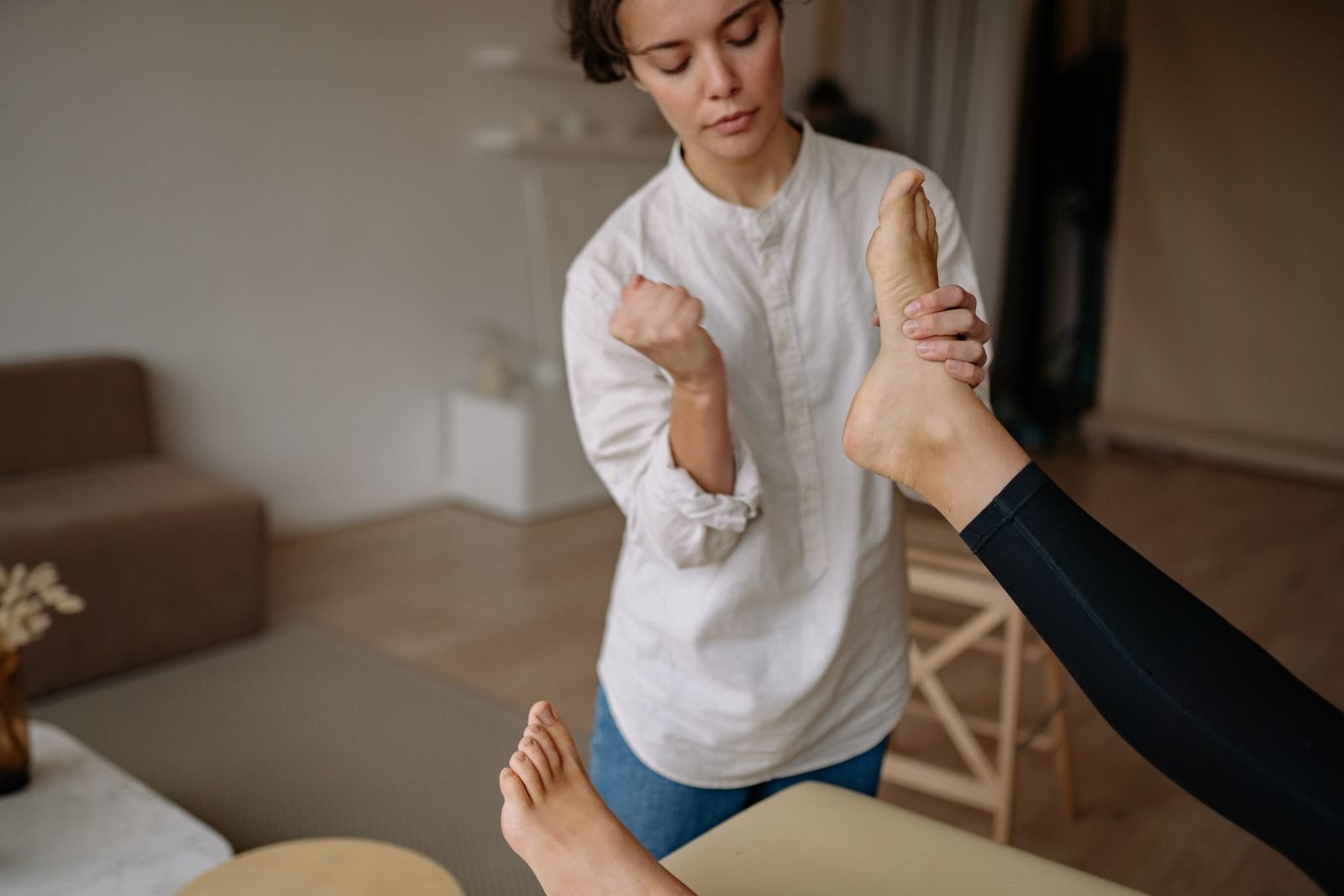
The plantar fascia is a band of tissue that runs from the heel to the base of the toes and supports the arch of the foot. When it takes more load than it can handle for weeks, it gets irritated and painful, especially where it attaches to the heel.
Although it is called fasciitis, it is now understood to be more of a degenerative overload problem than inflammation. That is why treatment focuses on adjusting load and strengthening, not just anti-inflammatories.
Plantar fasciitis symptoms
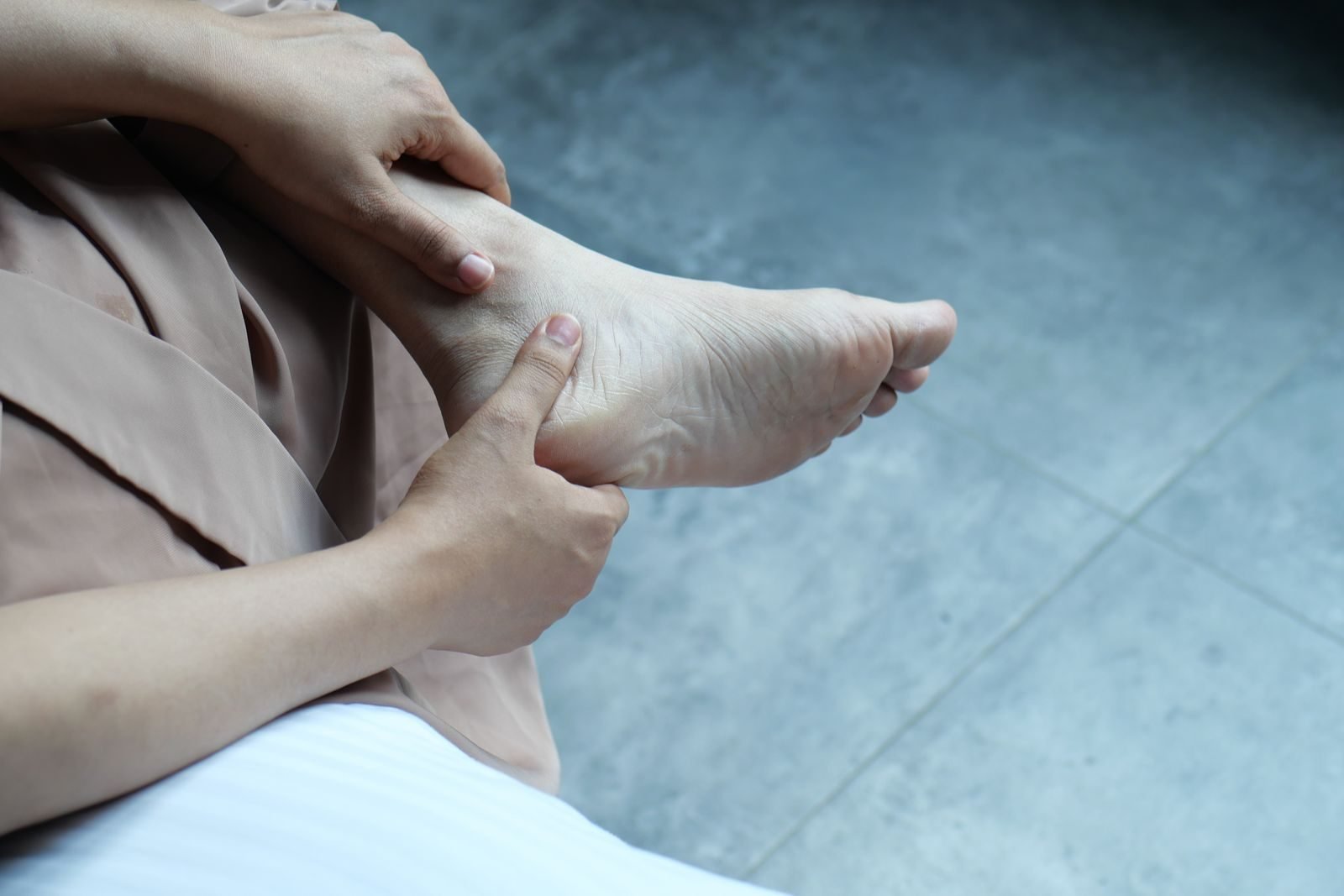
The pain is usually on the inner side of the sole, next to the heel. It is worst with the first steps after getting up or after sitting, and eases after a few minutes of walking. At first it may disappear once you warm up running and return when you finish.
See a doctor or physiotherapist if the pain started after a blow, if you have tingling or numbness, significant swelling, pain at night or if it doesn’t improve after a few weeks of looking after it. There are other heel injuries, like stress fractures, that should be ruled out.
Why it appears in runners
It is almost always a matter of load. Suddenly increasing volume or intensity, adding lots of hills or intervals, or switching to very different shoes are typical triggers. Stiff or weak calves and soleus, standing for many hours and body weight also play a part.
Many of these causes repeat in other overuse injuries; I explain them in the guide on runner injury prevention.
Plantar fasciitis treatment
Adjust the load
You don’t always need to stop running completely. A practical reference: if pain during and after running stays at 3 out of 10 or below and you aren’t worse the next day, you can keep running with less volume and on flat ground. If it hurts more, stop for a few days and switch to cycling or swimming.
Strengthen
This is what works best in the medium term. A trial published in the Scandinavian Journal of Medicine & Science in Sports found that a program of loaded heel raises, with a rolled towel under the toes to stretch the fascia, improved pain faster than stretching alone. It is done on one leg, rising over 3 seconds, holding 2 and lowering over 3, in sets of 12 that drop to 8 as you add weight, every other day.
Stretch and offload
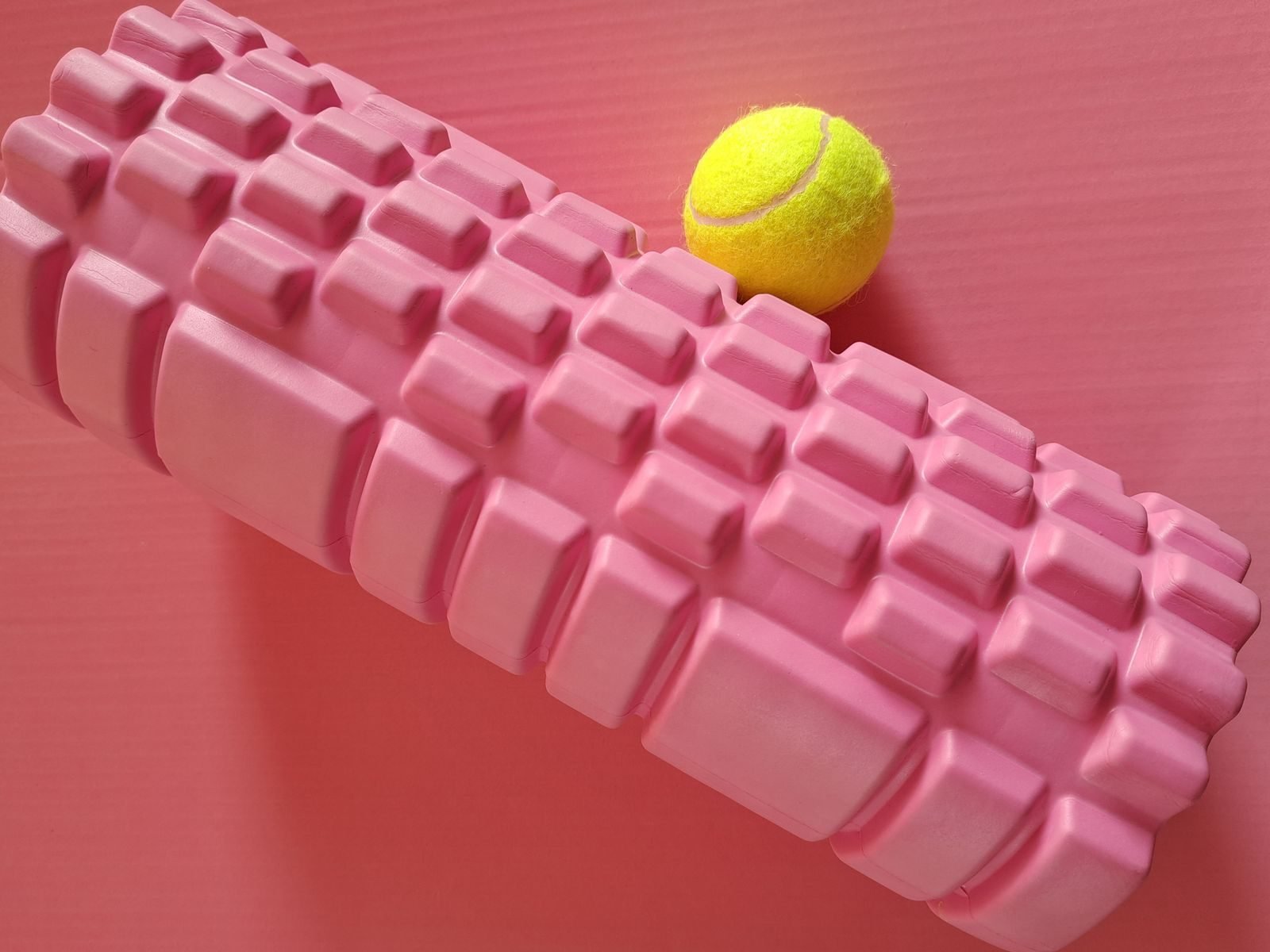
Calf and soleus stretches, and stretching the fascia by pulling your toes toward you before getting up, ease those first morning steps. Rolling your sole over a ball also helps some people.
Shoes and insoles
Wear shoes with good heel cushioning, also outside training, and avoid going barefoot on hard surfaces while it hurts. Insoles or heel cups can bring short-term relief; if in doubt, have a podiatrist assess it.
How long plantar fasciitis lasts
Most cases improve within a few weeks or a few months with these measures, although stubborn ones can take longer. If there is no progress after two or three months, a professional can consider other options, like shockwave therapy.
How to return to running and prevent relapses
Come back gradually, with short, easy runs on flat ground, and keep doing your strength exercises even when it no longer hurts. Increase volume progressively and don’t switch shoes suddenly, especially to models with little cushioning or drop; I explain it in the guide on drop, cushioning and carbon plate. And keep your calves strong all year round as part of your strength training for runners.
Conclusion
Plantar fasciitis shows up as heel pain with your first steps in the morning and usually appears after a sudden increase in load. Adjust your volume without going beyond 3 out of 10 pain, do loaded heel raises, stretch your calves and fascia, look after your footwear and return gradually. And if it doesn’t improve or you have unusual symptoms, see a professional. Choose well, run better.
Frequently asked questions
Can I run with plantar fasciitis?
In many cases yes, with less volume and on flat ground, as long as pain stays at 3 out of 10 or below and you aren’t worse the next day. If it hurts more, rest for a few days and cycle or swim.
How long does plantar fasciitis take to heal?
Most cases improve within a few weeks or months with good load management and strength exercises. Stubborn cases can last longer.
What exercises are good for plantar fasciitis?
Single-leg loaded heel raises with a towel under the toes, calf and soleus stretches and stretching the fascia by pulling the toes back.
Why does plantar fasciitis hurt more in the morning?
Because the fascia shortens overnight and the first steps stretch it suddenly. Stretching your toes and calf before getting up usually helps.
When should I see a doctor about heel pain?
If it started after a blow, you have tingling, significant swelling, night pain or it doesn’t improve after a few weeks of care. There are other heel injuries that should be ruled out.