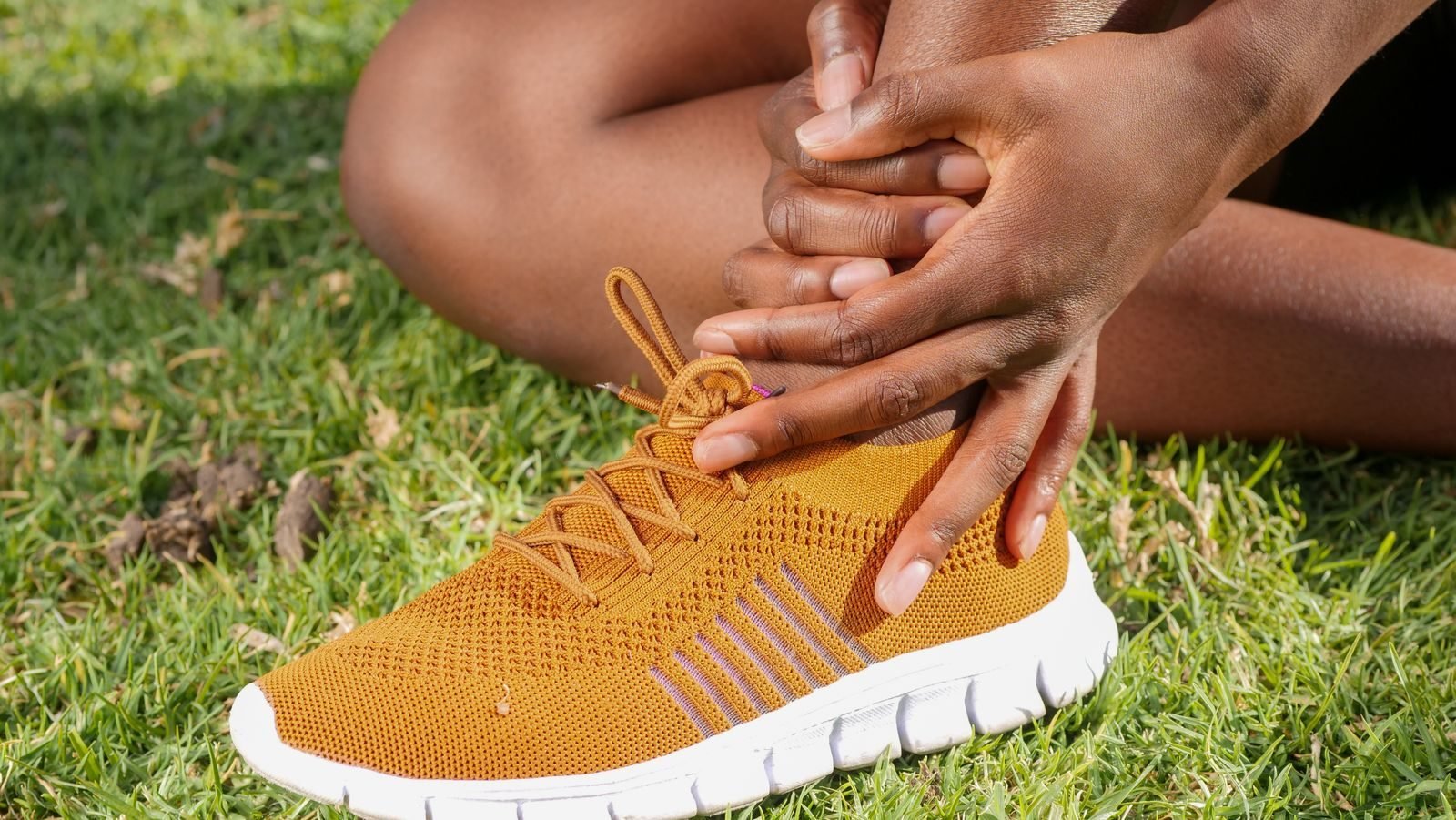
Achilles Tendinitis in Runners: Symptoms, Exercises and Returning to Running
Achilles tendinitis is one of the most stubborn running injuries: it starts as a mild ache at the back of the ankle and, if ignored, can stay with you for months. Today it is usually called tendinopathy, because rather than inflammation it is an overload of the tendon, which loses its ability to bear load. Luckily, it responds very well to the right exercise. In this guide I explain how to recognize it, why it appears, which exercises work and how to return to running. This is general information and doesn’t replace a diagnosis from a professional.
What Achilles tendinitis is
The Achilles tendon connects your calf and soleus to your heel, and with every stride it takes several times your body weight. When load exceeds what it can handle for weeks, it thickens, weakens and hurts.
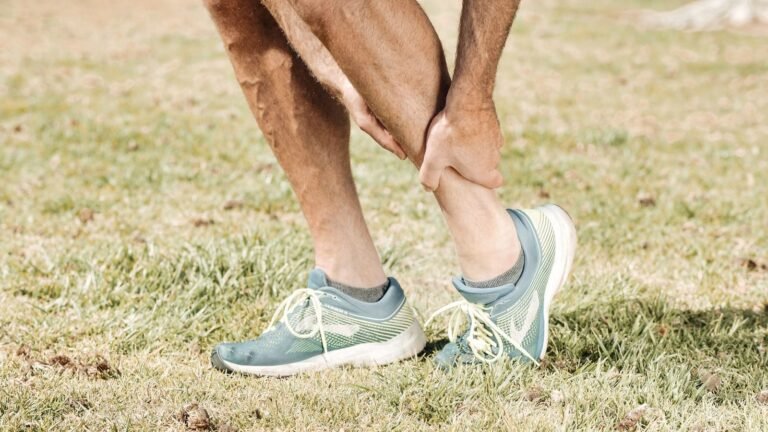
There are two types. The most common in runners is midportion, which hurts about 2 to 6 cm above the heel. Insertional hurts right where the tendon attaches to the heel bone and is treated with some differences, as you will see below.
Achilles tendinitis symptoms
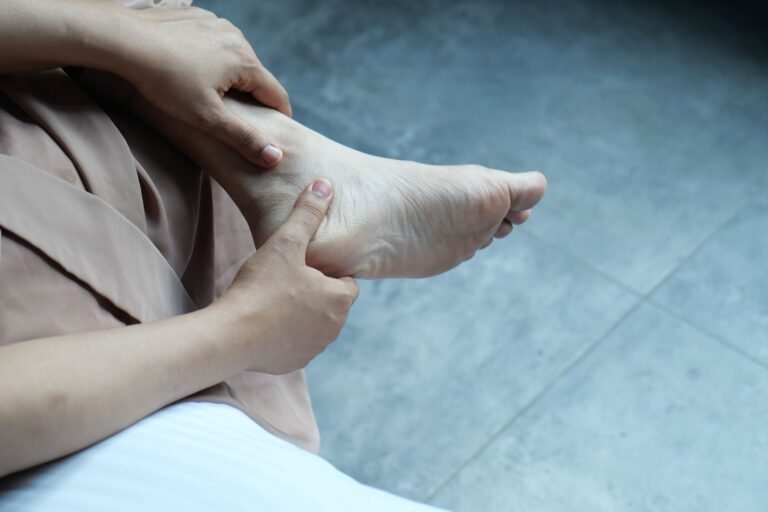
Stiffness and pain in the morning or when you start moving, which ease after warming up and return after running. Pain when you squeeze the tendon and, sometimes, a thickening you can feel compared with the other foot.
Go to the doctor or emergency room if you felt a snap or a blow to the tendon, if you suddenly can’t stand on tiptoe or push off when walking, or if there is a lot of swelling. These can be signs of a rupture, which needs different treatment. There are more warning signs in the guide on runner injury prevention.
Why Achilles tendinitis appears
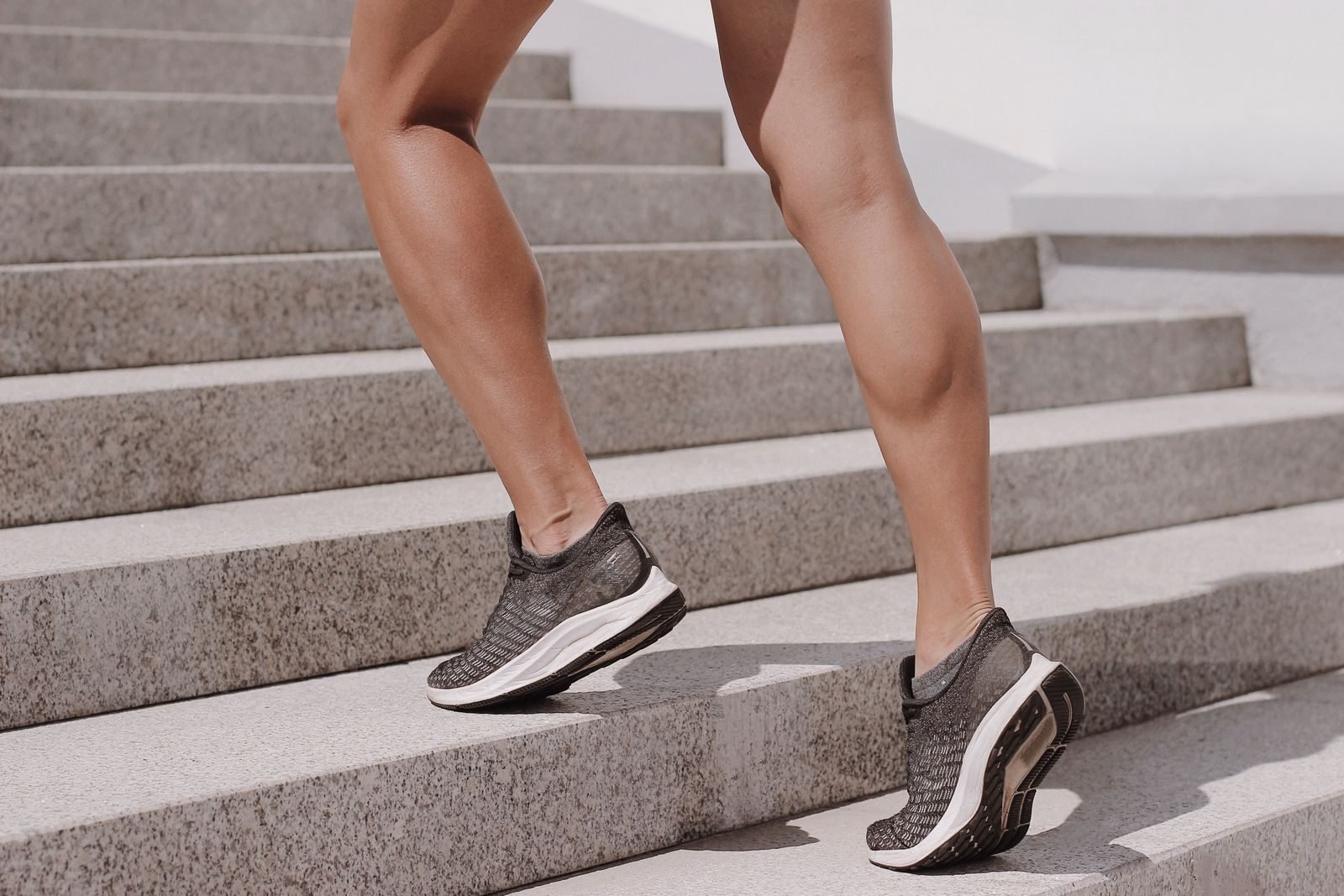
The most common cause is a sudden change in load: more kilometers, lots of hills or intervals, or switching suddenly to lower-drop shoes or forefoot running. Weak calves and soleus, age (the tendon adapts less well from 35 or 40) and previous problems also play a part.
If you have changed shoes recently, check the drop; I explain it in the guide on drop, cushioning and carbon plate.
Treatment: exercise is the foundation
Adjust the load
Cut your volume and avoid hills, fast intervals and low-drop shoes for a few weeks. As a reference, you can keep running if pain stays at 3 out of 10 or below during and after, and the next morning’s stiffness isn’t worse. If it is, cut load further.
Loaded calf exercises
This is what works best. The most studied protocol is Alfredson’s, published in the American Journal of Sports Medicine: heel drops on a step, lowering slowly on one leg, 3 sets of 15 with a straight knee and another 3 with a bent knee, twice a day for 12 weeks. Some discomfort during the exercise is acceptable.
Another option with good results is heavy, slow heel raises, taking 3 seconds up and 3 down, three times a week and adding weight progressively. Choose the one you can stick with.
If it is insertional
With insertional tendinopathy, do the exercises on the floor instead of on a step, without letting your heel drop below horizontal, because that position compresses the tendon against the bone.
Footwear
While it hurts, shoes with more drop or a small heel lift reduce the load on the tendon. Remove them gradually as it improves.
How long Achilles tendinitis lasts and how to return to running
With a consistent exercise program, most runners notice improvement within a few weeks, although full recovery usually takes three months or more. It is an injury that calls for patience.
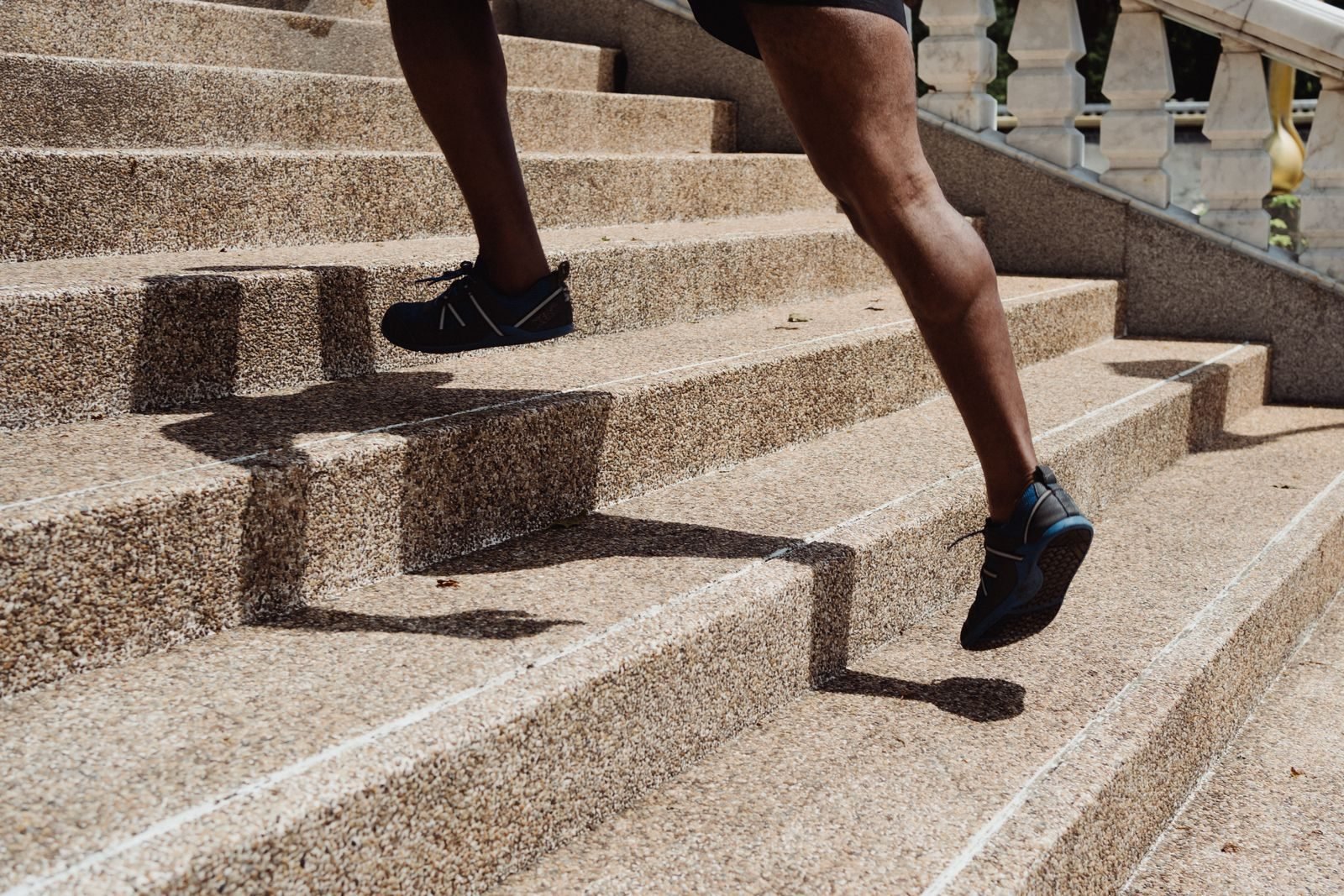
Come back with short, flat runs, build volume gradually and leave hills and intervals for last. Keep doing your calf exercises even when it no longer hurts, and keep them afterward as part of your strength training for runners. If there is no progress in two or three months, see a physiotherapist or sports doctor.
Conclusion
Achilles tendinitis is a tendon overload that causes morning stiffness and pain when you start running. Adjust your load without going beyond 3 out of 10 pain, do loaded calf exercises for at least 12 weeks, adapt your footwear while it hurts and return gradually. And if you feel a snap or can’t stand on tiptoe, see a doctor. Choose well, run better.
Frequently asked questions
Can I run with Achilles tendinitis?
In many cases yes, with less volume and no hills or intervals, as long as pain stays at 3 out of 10 or below and the next morning’s stiffness doesn’t get worse.
How long does Achilles tendinitis take to heal?
You usually notice improvement within a few weeks with exercise, but full recovery takes three months or more. Being consistent with the exercises matters.
What exercises are good for the Achilles tendon?
Loaded heel raises, either lowering slowly on a step (the Alfredson protocol) or rising and lowering slowly with weight. For insertional tendinopathy, do them on the floor.
Why does my Achilles hurt more in the morning?
Because the tendon stiffens overnight and your first steps load it before it is warm. It improves as you move, but that doesn’t mean it has gone away.
When should I see a doctor about my Achilles?
If you felt a snap, can’t stand on tiptoe, there is a lot of swelling or it doesn’t improve after two or three months of exercise. There may be a rupture or another injury.