Trail Race Mandatory Gear: What Mountain Races Ask For and Why
Trail race mandatory gear is the list of items the organisers require you to carry for the whole race. It varies a lot from one race to another: some races only ask for a cup, while others require a head torch, a jacket and a phone that stays switched on. If you do not carry it, you can be stopped at the start or disqualified. This guide reviews what the races on our calendar ask for, what each item is for and how to carry it comfortably.
Why trail race mandatory gear exists
In the mountains, a twisted ankle or a change in the weather can leave you stuck somewhere nobody will pass for a long time. Mandatory gear is meant to keep you going until someone finds you or until you can reach the next checkpoint. That is why the list grows with distance, altitude and season.
There is a more recent reason too: waste. Many races have removed plastic cups from aid stations and ask you to bring your own.
What trail race mandatory gear races in Catalonia ask for
I have read the rules of several races on our calendar, and the lists range from the bare minimum to the comprehensive.
At the simple end is the Imperial Tarraco Trail, where the only mandatory item is a reusable cup, because there will be no cups at the aid stations. The Marató del Montseny, according to the rules published on its website, has no mandatory gear, although it reserves the right to change that if the weather calls for it.
In the middle are the Naturetime races. On the 21 km trail at Les Ermites they ask for safety pins or a race belt, a reusable cup and a windproof jacket. The Cursa de Nadal in Colldejou adds a bottle with at least half a litre of fluid, and the windproof must be waterproof if it rains.
The Vilaverd Skyrace adjusts by distance: one litre of water for the marathon and half a litre for the skyrace, the trail and the walk, plus a cup. And the Cursa Fosca, which finishes after dark, has the longest list: a phone switched on and not in flight mode, a head torch (your phone’s light does not count), a cup or bottle, a visible bib and a suitable jacket, plus a recommended reserve of at least one litre of water.
The most common trail race mandatory gear
Your own cup
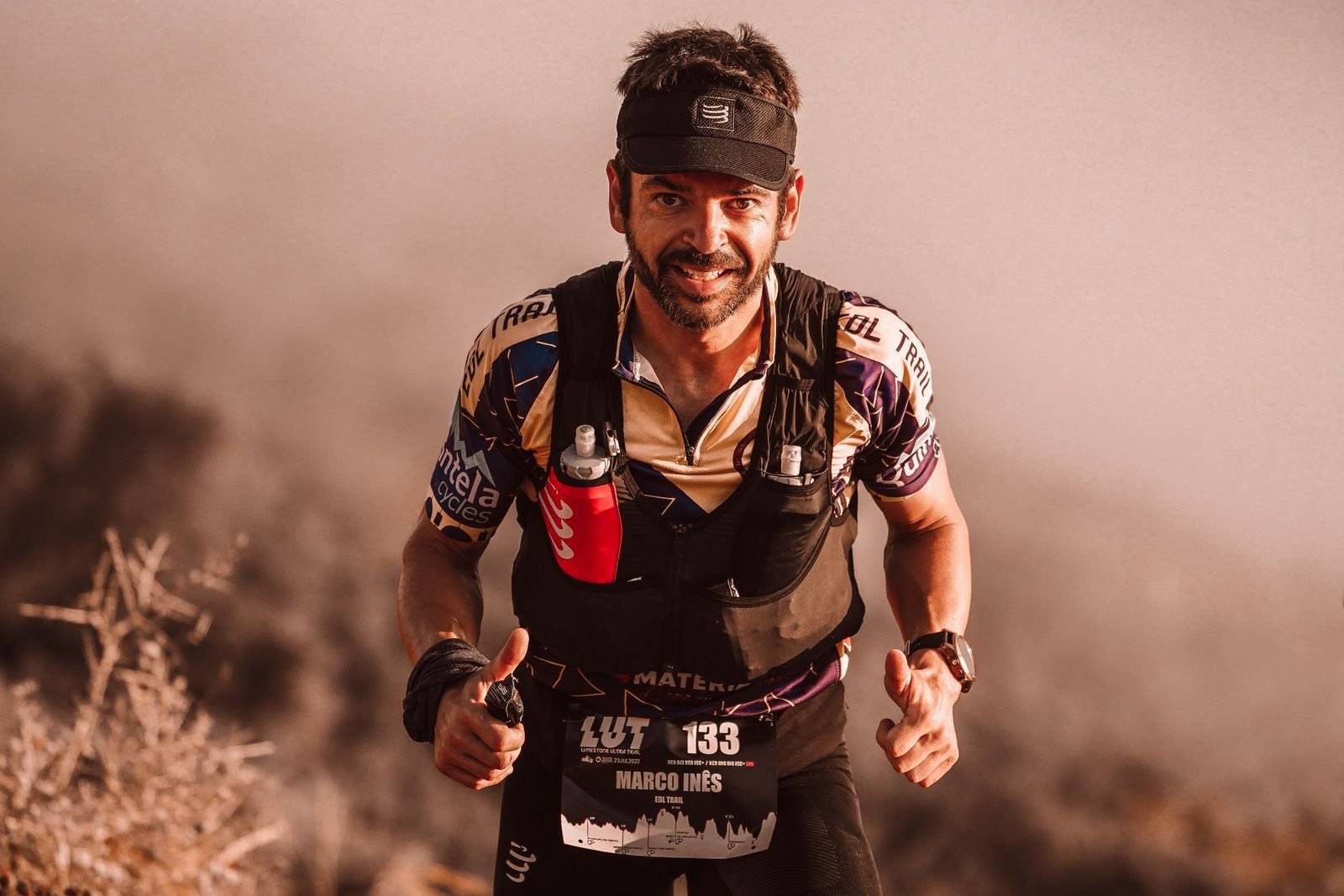
This is the item that appears most often. A folding silicone cup weighs a few grams and fits in any pocket. Some runners simply drink from their soft flask.
Water: bottle or vest
Many races set a minimum water reserve, from half a litre to one litre depending on the distance. Soft flasks in a vest are the most comfortable option, because they collapse as you drink and do not bounce. The guide to hydration and electrolytes explains how much to drink.
Windproof or waterproof jacket
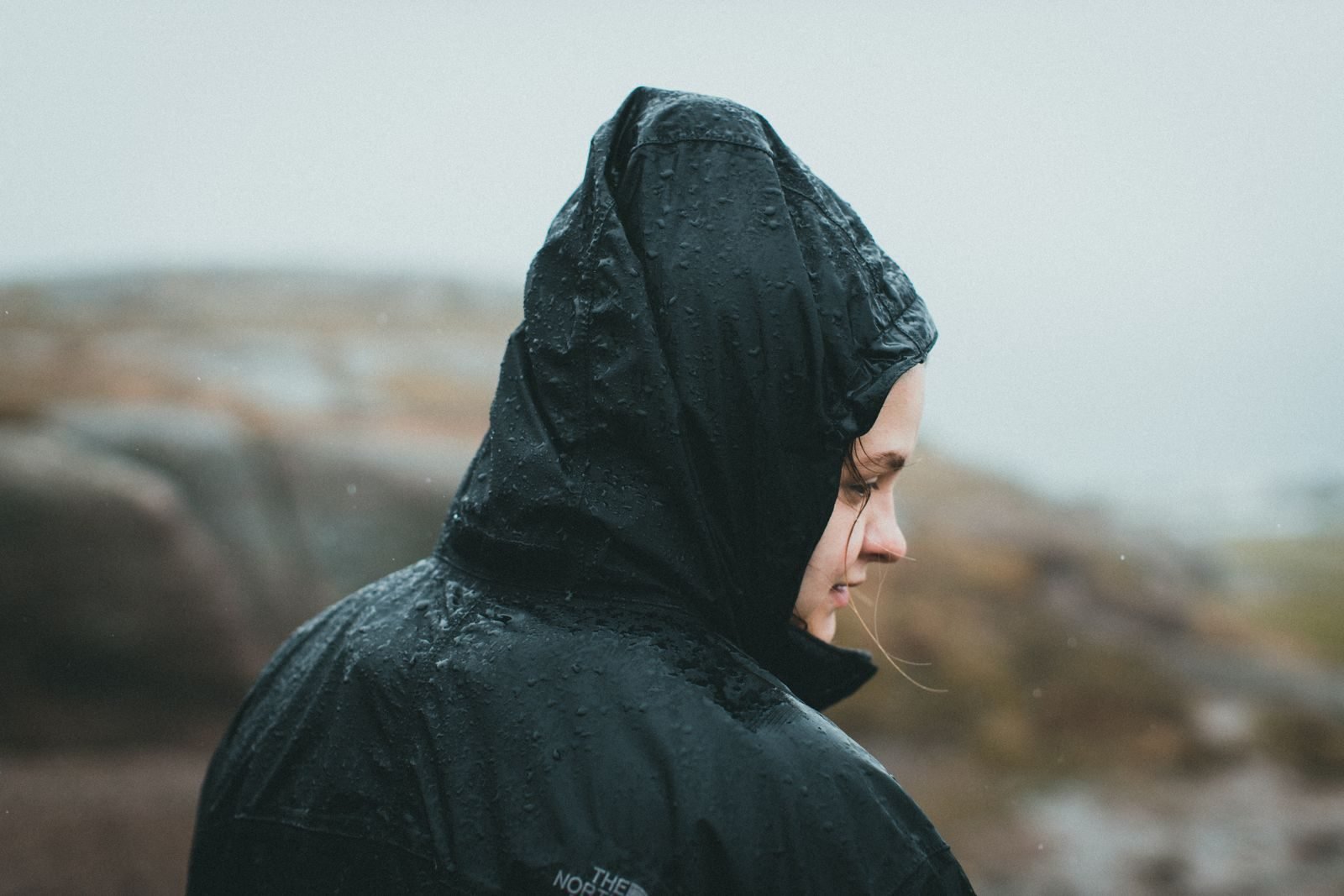
Mountain weather changes fast and on a ridge the wind chills you in minutes. There are very light windproofs that fit in a pocket. If the rules require a waterproof jacket, make sure it has a waterproof membrane and taped seams, because some races check.

Head torch
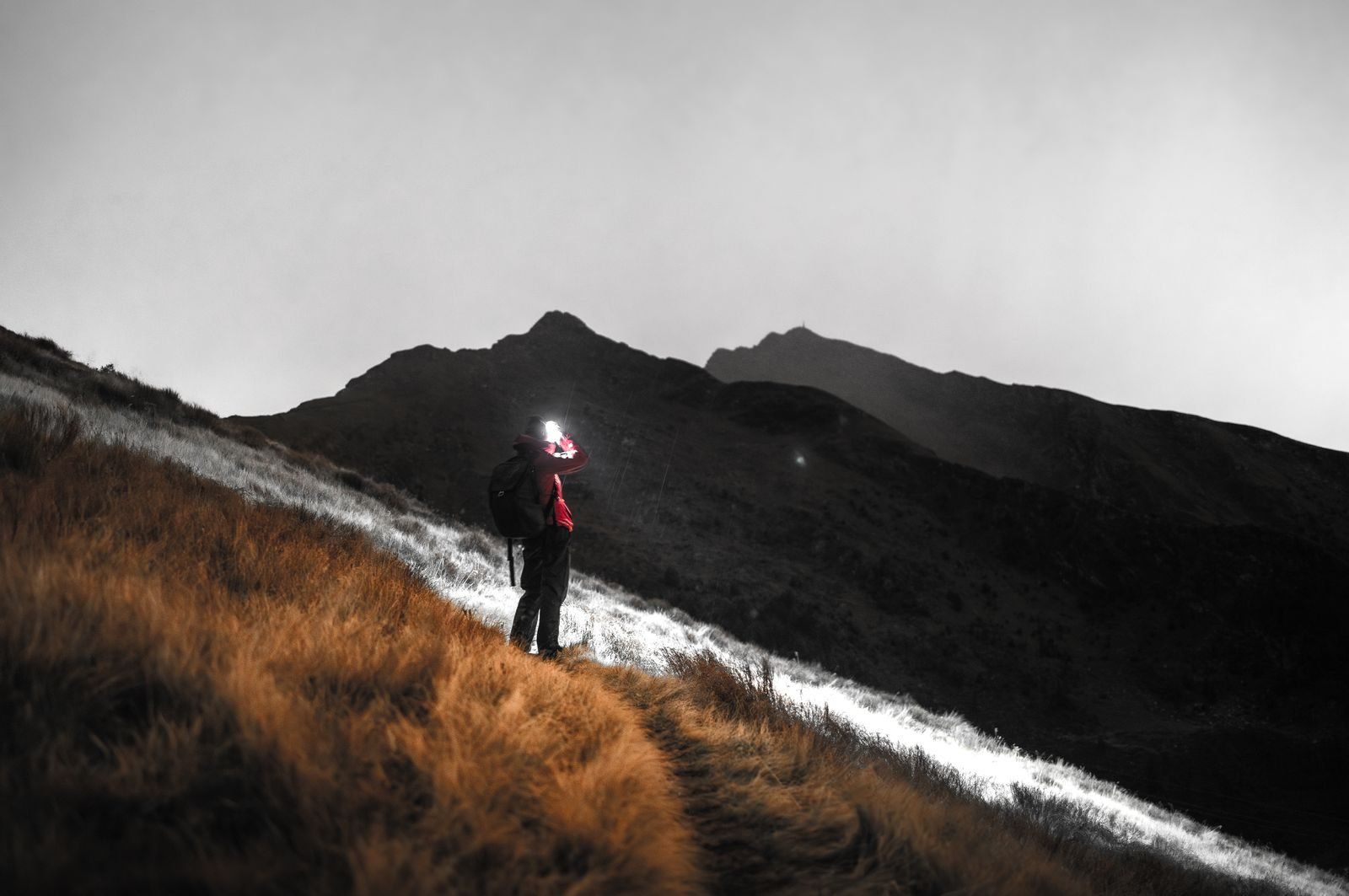
Mandatory in races that start or finish in the dark, or in long races where you may end up in the dark. Carry it with charged batteries and, if the race is long, a spare battery. Your phone’s torch does not count.
Phone
Many races require a phone that is switched on with the organisers’ number saved, so they can locate you or you can raise the alarm. Carry it fully charged in a case or bag that protects it from sweat and rain.
Survival blanket, whistle and more
In long or high mountain races it is common to require a survival blanket, a whistle, some reserve food, gloves or a hat. They weigh little and take up even less space. Always read your race rules, because the list can change up to the technical briefing sent in the days before.
How to carry trail race mandatory gear comfortably
For short races, a belt with a bottle and a pocket is usually enough. From 20 or 25 km, or if the list is long, a 5 to 10 litre vest spreads the weight and keeps everything within reach. Test it loaded on your long runs: a vest that rubs during a one-hour run will destroy you in a four-hour race.
Organise your pockets the same way every time: water at the front, food within reach, and the jacket and blanket at the back. That way you will not have to think about where things are when you are tired. If it is your first mountain race, there is more advice in the guide to your first trail race.
Trail race mandatory gear checks
Many races check trail race mandatory gear at bib collection or at the start, and some carry out checks along the course. If something is missing, they may not let you start or may give you a time penalty. And if you ever need it, you will be glad you had it.
Conclusion
Trail race mandatory gear ranges from a simple cup to a list with a head torch, a waterproof jacket and a phone that stays on. Read your race rules and the technical briefing sent in the days before to see which trail race mandatory gear you need, test the gear in training and always pack it in order. What Catalan races ask for most often is a reusable cup, a water reserve and a windproof jacket.
FAQ
What trail race mandatory gear is most common?
It depends on the race. The most common items are a reusable cup, a water reserve and a windproof jacket. Long or night races add a head torch, a phone, a survival blanket or a waterproof jacket.
What happens if I do not carry trail race mandatory gear?
Depending on the rules, you may be refused at the start, given a time penalty or disqualified. Some races check at bib collection and others during the race.
Why is a cup part of trail race mandatory gear?
Because many races no longer put plastic cups at aid stations, to reduce waste. A folding cup weighs a few grams and fits in any pocket.
Does my phone’s torch count as a head torch?
No. Races that require a head torch do not accept a phone light, because you need your hands free and your phone battery for emergencies.
Do I need a vest for a short trail race?
For under 15 km, a belt with a bottle is usually enough. A vest pays off in longer races or when the mandatory gear list is long.