Calories Burned Running: How Many You Burn per Kilometre (With a Table)
Calories burned running are surprisingly simple to estimate: running uses about one kilocalorie for every kilo of body weight and every kilometre, more or less the same whether you go fast or slow. This guide explains where that rule comes from, gives you a table for the most common distances and covers what makes you burn a little more or a little less.
The one kilocalorie per kilo per kilometre rule
The classic reference is Rodolfo Margaria’s study on the energy cost of running, published in 1963. He found that the energy used per kilometre is almost the same at different speeds, at around one kilocalorie per kilo of body weight.
The formula looks like this:
Calories ≈ weight in kilos × kilometres
A 70 kilo person running 10 km burns about 700 kilocalories. Whether they run it in 50 minutes or an hour and a quarter, the total barely changes; what changes is how many calories they burn per minute.
Table of calories burned running by body weight
| Weight | 5K | 10K | Half marathon | Marathon |
|---|---|---|---|---|
| 50 kg | 250 kcal | 500 kcal | 1,055 kcal | 2,110 kcal |
| 60 kg | 300 kcal | 600 kcal | 1,266 kcal | 2,532 kcal |
| 70 kg | 350 kcal | 700 kcal | 1,477 kcal | 2,954 kcal |
| 80 kg | 400 kcal | 800 kcal | 1,688 kcal | 3,376 kcal |
| 90 kg | 450 kcal | 900 kcal | 1,899 kcal | 3,798 kcal |
| 100 kg | 500 kcal | 1,000 kcal | 2,110 kcal | 4,220 kcal |
These are approximate values: everyone’s running economy is slightly different, and terrain or wind also play a part.


What changes the calories burned running
- Body weight: it matters most, because moving more mass takes more energy.
- Hills: according to the review by Vernillo and colleagues, energy cost rises linearly with uphill gradient. Downhill it falls up to a point and then rises again.
- Technique and running economy: two people of the same weight can burn a little differently per kilometre.
- Terrain and wind: sand, mud or a headwind increase the cost.
Speed, on the other hand, has little effect on the cost per kilometre, although it does affect the cost per minute.
Calories burned running per minute and per hour
If you want calories burned running per unit of time, it depends on your pace. At 6 minutes per kilometre, a 70 kilo person covers 10 km in an hour and burns about 700 kilocalories per hour. At 5 minutes per kilometre they cover 12 km and burn about 840. Work out your pace with the training pace calculator.
Calories burned running: fat or carbs
At an easy pace, a larger share of those calories comes from fat; at a fast pace, mainly from carbs. That is why in long races you need to replace carbs, as I explain in the guide to carb loading. For weight loss, though, what counts is your total calorie balance, not where the calories come from. That is covered in the guide to running to lose weight.

What about your watch?
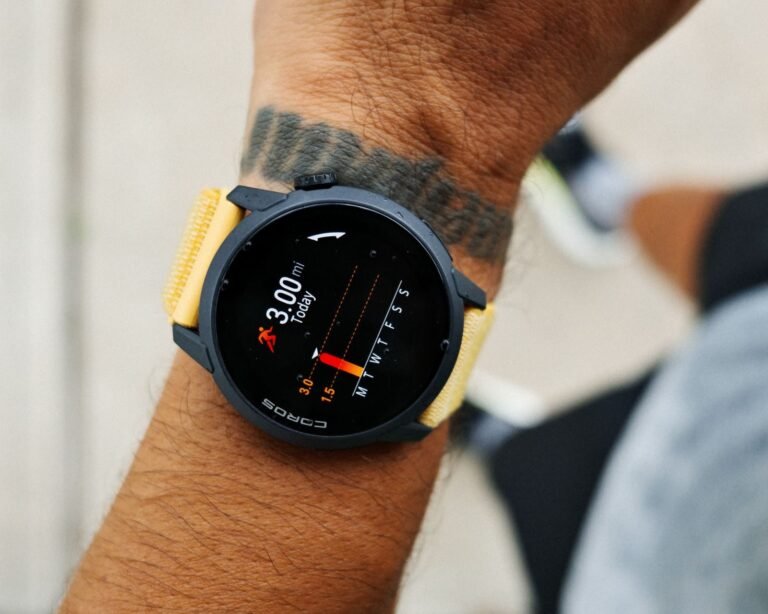
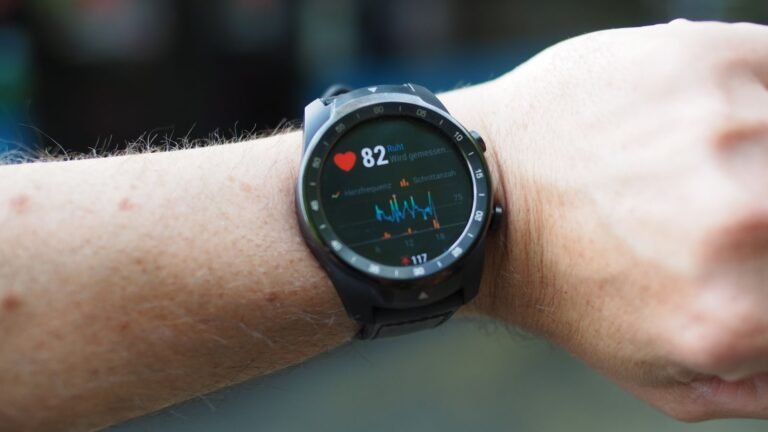
GPS watches estimate calories with their own formulas based on weight, heart rate and speed, and they can be quite far off. Use them as a trend, not an exact figure. There is more on their data in the guide to the GPS running watch.
Conclusion
Calories burned running can be estimated with a simple rule: about one kilocalorie per kilo of body weight per kilometre, almost regardless of speed. A 70 kilo person burns about 350 kilocalories in a 5K, 700 in a 10K and almost 3,000 in a marathon. Hills, terrain and running economy push the figure up or down a little.
FAQ
How many calories do you burn running 1 km?
About one kilocalorie per kilo of body weight. A 70 kilo person burns about 70 kilocalories per kilometre.
How many calories do you burn running for 30 minutes?
It depends on your weight and pace. At 6 minutes per kilometre, a 70 kilo person covers 5 km and burns about 350 kilocalories.
Do you burn more calories running fast?
Per minute, yes. Per kilometre, almost the same. If you run the same distance, the total is similar at any pace.
How many calories do you burn in a marathon?
About 2,950 kilocalories for a 70 kilo person, according to the one kilocalorie per kilo per kilometre rule.
Are GPS watch calories accurate?
They are an estimate and can be quite far off. Use them to compare sessions, not as an exact figure.