
10K Training Plan: 8 Weeks With 4 Runs a Week
This 10K training plan lasts eight weeks with four runs a week. It is designed for runners who can already run 30 or 40 minutes comfortably and want to prepare a 10K with a time goal, whether it is their first or a personal best. Below you will find the week-by-week table, the paces and how to run the race.
Who this 10K training plan is for
You need to be able to run for about 40 minutes without stopping and to have been running three days a week for at least a month. If you are not there yet, the 5K training plan is a good first step.
If your specific goal is to break 50 minutes, there is a dedicated guide to a sub-50 10K with the exact paces.
The paces in the 10K training plan
- Easy run: a comfortable pace at which you can talk. It is most of the plan.
- 10K pace: your goal pace for the race.
- Threshold: comfortably hard, a pace you could hold for about an hour. It is usually 15 to 20 seconds per kilometre slower than your 10K pace. I explain it in the guide to threshold training.
- Strides: relaxed 15 to 20 second accelerations.
Work out your paces with the training pace calculator from a recent race. The balance of easy and hard follows what endurance athletes do: in Stephen Seiler’s review, around 80% of training is low intensity.
The 10K training plan week by week
Days 2 and 3 always include 10 to 15 minutes of easy running before and 5 to 10 minutes after. Between quality days, leave at least one rest day or easy run.
| Week | Day 1 | Day 2 (intervals) | Day 3 | Day 4 (long run) |
|---|---|---|---|---|
| 1 | Easy 30 min | 6 × 2 min at 10K pace, 90 s easy | Easy 30 min | Easy 50 min |
| 2 | Easy 35 min | 5 × 3 min at 10K pace, 2 min easy | Easy 30 min + 4 strides | Easy 55 min |
| 3 | Easy 35 min | 4 × 1 km at 10K pace, 2 min easy | 35 min including 15 min at threshold | Easy 60 min |
| 4 (recovery) | Easy 30 min | 3 × 1 km at 10K pace, 2 min easy | Easy 30 min | Easy 45 min |
| 5 | Easy 40 min | 6 × 800 m slightly faster than 10K pace, 2 min easy | 40 min including 20 min at threshold | Easy 65 min |
| 6 | Easy 40 min | 5 × 1 km at 10K pace, 90 s easy | 2 × 10 min at threshold, 2 min easy | Easy 70 min |
| 7 | Easy 35 min | 3 × 2 km at 10K pace, 2 min easy | Easy 30 min + 4 strides | Easy 60 min |
| 8 (race) | Easy 30 min | 3 × 1 km at 10K pace, 2 min easy | Easy 20 min + 3 strides | 10K race |

How the 10K training plan works
The intervals start with short blocks and grow to the three 2 km blocks of week 7, which add up to 6 km at race pace. It is the best sign that you are ready. There are more sessions to vary it in the guide to 10K interval workouts.
Threshold work, from week 3, teaches you to sustain a demanding pace for a long time without overdoing it. And the day 4 long run builds from 50 to 70 minutes to give you more endurance than the race needs; the long run guide explains how to do it.
Weeks 4 and 8 reduce the load: week 4 to absorb the work and week 8 to arrive fresh on race day.

If you can only run three days: an adapted 10K training plan
Drop day 1 of the 10K training plan and keep the rest. You lose some volume, but you keep the three sessions that matter most: intervals, threshold and the long run.
How to run the race
Warm up for 10 to 15 minutes with an easy jog and a few strides. Start at your goal pace or slightly slower for the first two kilometres, even if people pass you. From km 3 to 7 hold your pace; this is the mentally hardest part. From km 8, if you feel good, push.
To set a realistic goal, enter a recent 5K time in the race time predictor. And if you are looking for a race, you can filter by 10K in our race calendar.
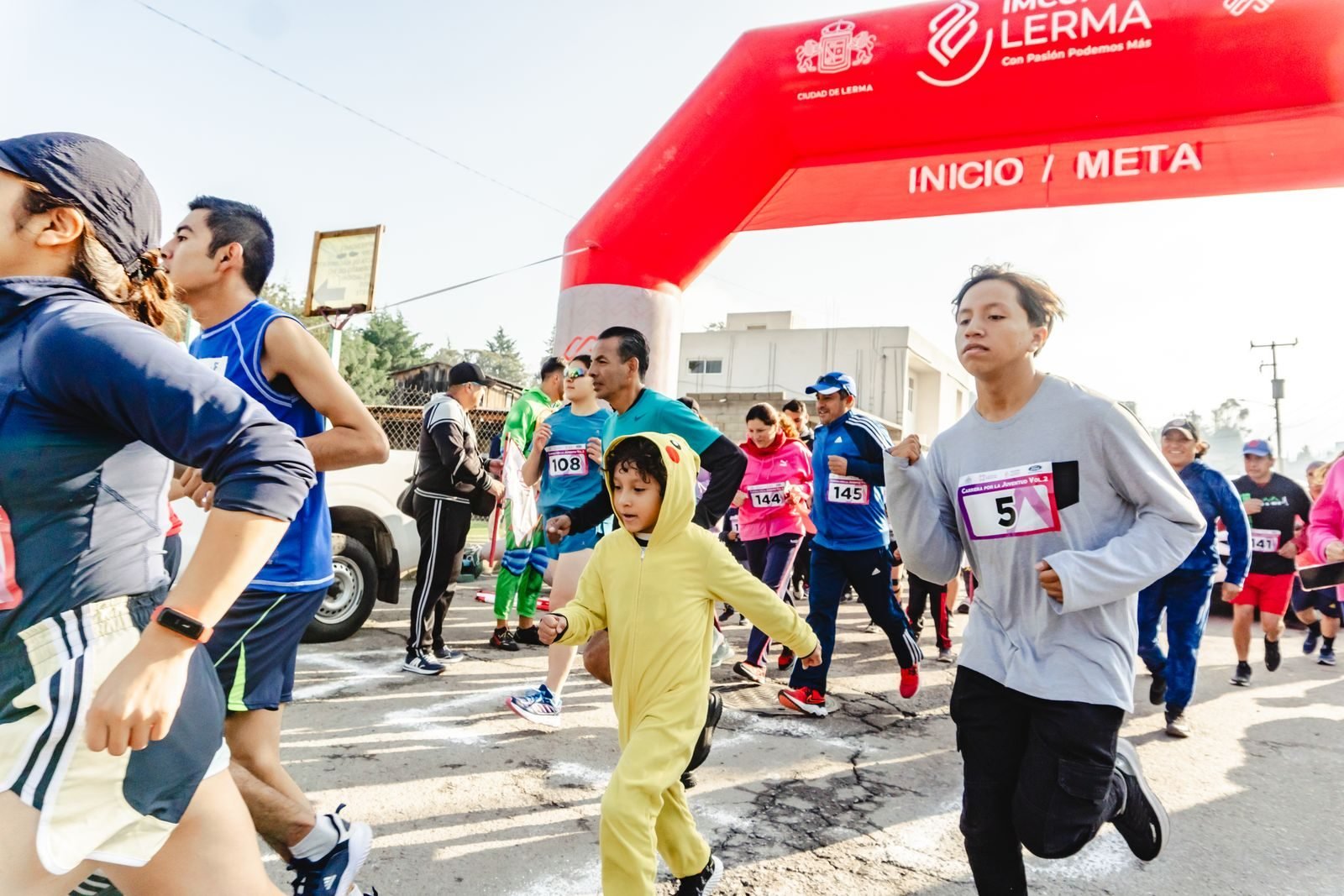
Common 10K training plan mistakes
Running easy runs too fast is the most common mistake: you arrive tired at the intervals and underperform. Another is skipping the week 4 recovery. And in the race, starting faster than planned and paying for it from km 6.

Conclusion
This 10K training plan combines an interval session, a threshold session and a long run every week, with most of the volume at easy pace and two lighter weeks. With four days a week for eight weeks you can run your 10K with a clear goal.
FAQ
How many weeks do you need to train for a 10K?
If you can already run 30 or 40 minutes, eight weeks is enough. If you are starting from less, add a few weeks beforehand to build your base.
How many days a week should you train for a 10K?
Three or four days are enough for most recreational runners. This plan uses four, but you can adapt it to three by dropping an easy run.
How far should you run before a 10K?
You do not need to run 10 km before the race. Easy long runs of 60 to 70 minutes give you more than enough endurance.
What intervals should you do for a 10K?
Blocks of 800 m to 2 km at race pace, with short recoveries. As the plan progresses, the blocks get longer and the recoveries shorter.
What pace is threshold?
A comfortably hard pace you could hold for about an hour. For most runners, about 15 to 20 seconds per kilometre slower than their 10K pace.