Running Shoe Size: How to Find Your Real Size
Getting your running shoe size right is harder than it looks, and getting it wrong is behind a lot of the problems runners deal with: black toenails, blisters, numb toes and chafing. The most common mistake is buying the same size you wear in your everyday shoes. In this guide I explain how to measure your foot, why running needs a different fit and how to read each brand’s sizing so you don’t get it wrong, including when you buy online.
Why your running shoe size isn’t your everyday size
The first rule is the most important one: for running you almost always need half a size to a full size bigger than in your everyday shoes. It isn’t a brand quirk. Your running shoe size has to account for what happens to your foot when you run.
When you run, your foot swells with effort and heat, especially on long runs, so the room you feel when you try the shoe on standing still is gone by kilometer 10. On top of that, your foot slides forward inside the shoe with every stride. If your big toe already touches the front while you are standing, it will hit it over and over when you run, and that is where black toenails come from. And when it takes your weight, the foot gets longer and wider.
So you are not looking for a snug fit. You are looking for a specific amount of room at the toe, and to know how much you need, you first have to measure.
How to measure your foot at home
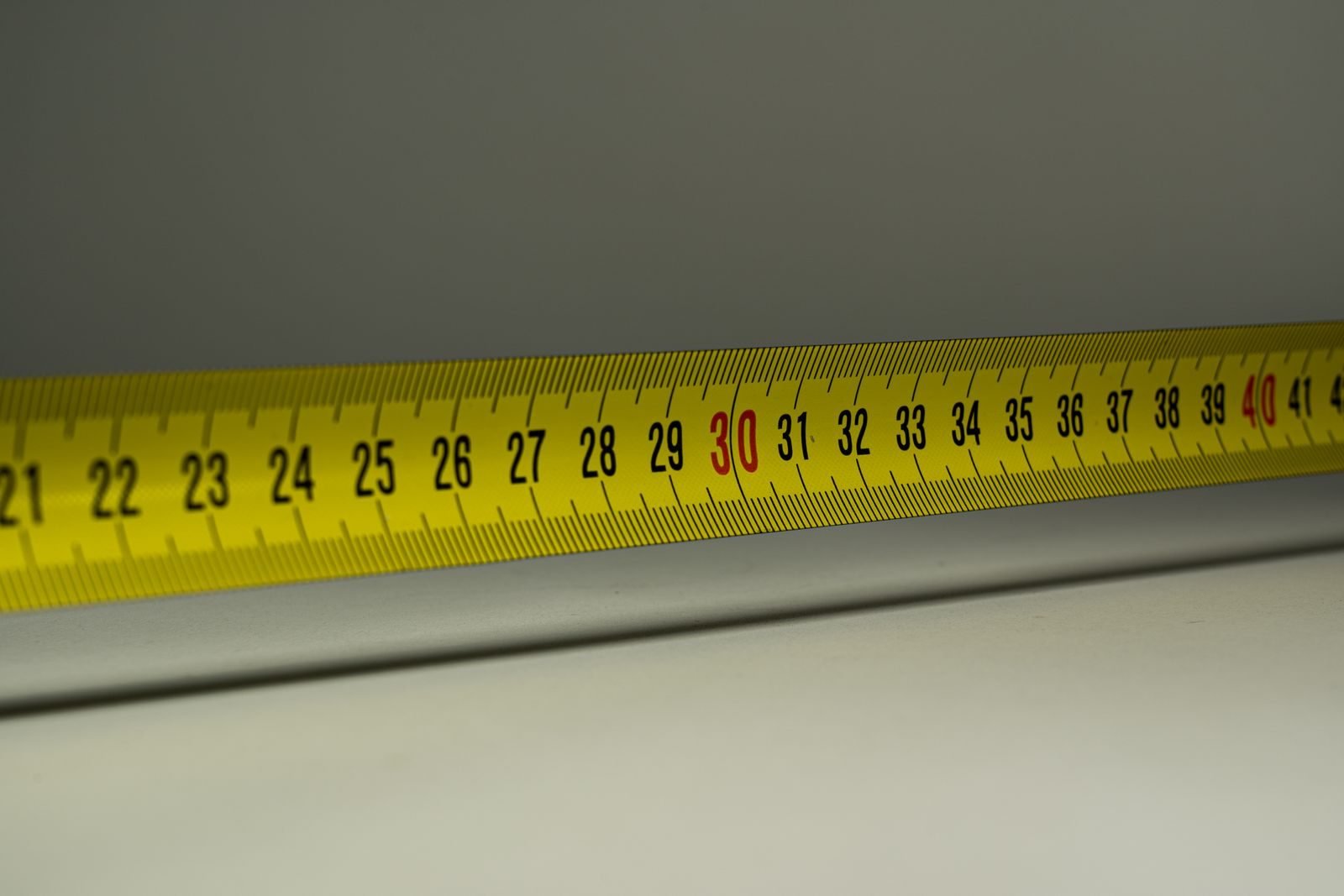
All you need is a sheet of paper, a pencil and a ruler. Do it in the afternoon or evening, when your foot is most swollen and closest to how it will be on a run.
- Put the paper on the floor against a wall.
- Place your heel against the wall and put all your weight on that foot. Standing is better than sitting.
- Mark where your longest toe reaches. Careful, it isn’t always the big toe: many people have a longer second toe.
- Measure the distance from the wall to the mark. That is the length of your foot in centimeters.
- Repeat with the other foot and use the bigger measurement. It is normal for one foot to be slightly larger.
That number in centimeters is your real reference, far more reliable than “I’m a size 9”.
The thumb rule: room at the toe
With the shoe on and standing, there should be roughly a thumb’s width between your longest toe and the end of the shoe, between 1 and 1.5 cm. That room is what absorbs the swelling and the forward movement of your foot when you run.
To check it, stand with your weight evenly spread and press on the toe box with your thumb. The gap should be there. Your heel, on the other hand, should stay locked in without slipping when you walk, and the midfoot should hold your foot firmly without squeezing.
If you are torn between two sizes, go with the bigger one. In running it is almost always worse to go too small than slightly too big.
Running shoe size changes from brand to brand
Here comes the frustrating part: a size 9 doesn’t measure the same in every brand. On top of that, several systems coexist (EU, UK, US and centimeters, or Mondopoint) and they don’t always convert cleanly, so buying on your usual number alone is risky.
What works is looking at centimeters. Almost every brand publishes a chart that links each size to a length in cm, and that is where you compare your real measurement, brand by brand. Reading reviews about sizing also helps, because many of them tell you whether a model runs large or small. And keep the last in mind: every brand has a typical width and shape, and if you have wide feet, some will suit you better than others.
In our shoe comparison you can check each model’s features before you buy.

How to know if you have wide feet
Length isn’t everything. A wide foot squeezed into a narrow last ends up with chafing and numbness even if the size is right. Many brands make wide versions, usually labeled “wide”, “2E” or “4E”.
To find out, also measure the width of your foot across its widest point, the knuckles of your toes, and compare it with the brand’s chart. If your current shoes press on the sides or your little toe fights with the upper, you probably need a wider last.
How to get your running shoe size right online
Buying online is convenient and usually cheaper (have a look at our deals section), but you can’t try anything on. To lower the risk, start from your measurement in centimeters rather than your usual size, check that brand’s official size chart and look for reviews that say whether the model runs large or small.
Check the return policy too, and try the shoes on at home on a clean surface before you take them outside. And if one brand already fits you well, sticking with the same last is the safest bet.
Getting the size right is also prevention. Many of the problems I cover in the guide on runner injury prevention start with shoes that don’t fit well.
Conclusion
Getting your running shoe size right means no longer trusting your everyday size and starting to measure. Go half a size to a full size up from your everyday shoes, measure your foot in centimeters in the afternoon and use the bigger one, leave a thumb’s width at the toe, compare each brand’s chart and check the width of the last if you feel pressure on the sides. A shoe in your real size disappears under your feet while you run. Choose well, run better.
Frequently asked questions
What running shoe size should I buy compared with my normal size?
As a general rule, half a size to a full size bigger than your everyday shoes. When you run, your foot swells and slides forward, so you need more room at the toe than when you walk.
How much space should there be at the front of the shoe?
Roughly a thumb’s width, between 1 and 1.5 cm, between your longest toe and the end of the shoe, standing with your weight evenly spread. Your heel, on the other hand, should be held firmly.
Why do I get black toenails from running?
Almost always because the shoe is too small: your toe hits the front of the shoe with every stride. It is usually fixed by going half or a full size up and leaving the right amount of room.
Is my running shoe size the same in every brand?
No. The same size can vary in length and width depending on the brand and even the model. The reliable approach is to compare your measurement in centimeters with each brand’s chart and read reviews about its sizing.
What time of day should I measure my feet or try on shoes?
In the afternoon or evening, when your feet are most swollen and closest to how they will be on a run. If you measure first thing in the morning, you may end up buying a size smaller than you need.