When to Replace Running Shoes: Kilometers and Warning Signs
When to replace running shoes is a question every runner asks sooner or later, usually when some aches start that don’t seem to come from anywhere. The answer you will hear everywhere is “between 500 and 800 kilometers”, but that number on its own is misleading. Real wear depends on your weight, your technique, the type of shoe and the surfaces you run on. In this guide I give you the reference range and show you how to recognize the signs that your shoes no longer protect you.
When to replace running shoes: the 500-800 km rule
The general consensus in running puts the lifespan of a training shoe between 500 and 800 kilometers. The range is wide on purpose, because not every shoe or runner wears out the material at the same pace.
It is measured in kilometers rather than months because what wears out most is the midsole foam, the part that cushions every impact, more than the upper or the outsole. With use, that foam loses its ability to compress and bounce back, and it stops absorbing impact as well even if the shoe looks new from the outside.
So the number of kilometers is a starting point. What matters is combining it with the factors that speed up or slow down wear.
What changes the lifespan of your shoes
Two people can wear out the same model in 400 or 900 kilometers. Body weight comes first: the heavier you are, the more load the foam takes with every stride and the sooner it compresses, so a heavier runner will sit at the low end of the range. Your technique also affects how and where the outsole wears.
The type of shoe matters a lot. Racing shoes with a carbon plate and responsive foams usually last much less, sometimes only 300 or 400 km, because they put performance first. Training shoes, with denser foams, last longer.
Surface counts too: asphalt is more abrasive than a treadmill or a hard-packed dirt path, and trails punish the outsole more (if you run there, I cover it in the guide on trail running shoes). And if you alternate several pairs, each one has time for the foam to recover between runs and they all last longer.
When to replace running shoes: the signs
This is the most useful part, because you can go past the range and be fine, or need a new pair sooner.
The first sign, and the most important, is new aches without having changed anything else. If your knees, shins or soles start to hurt and your training is the same, worn-out cushioning is the main suspect. Your body usually warns you before you hit any number.
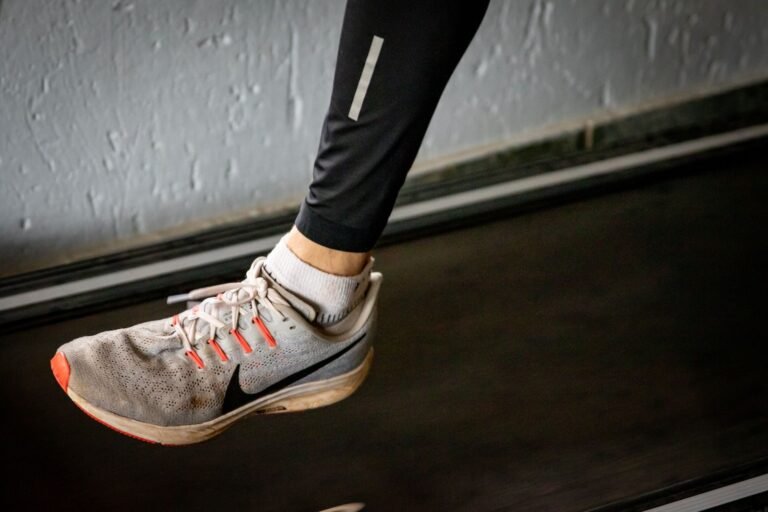
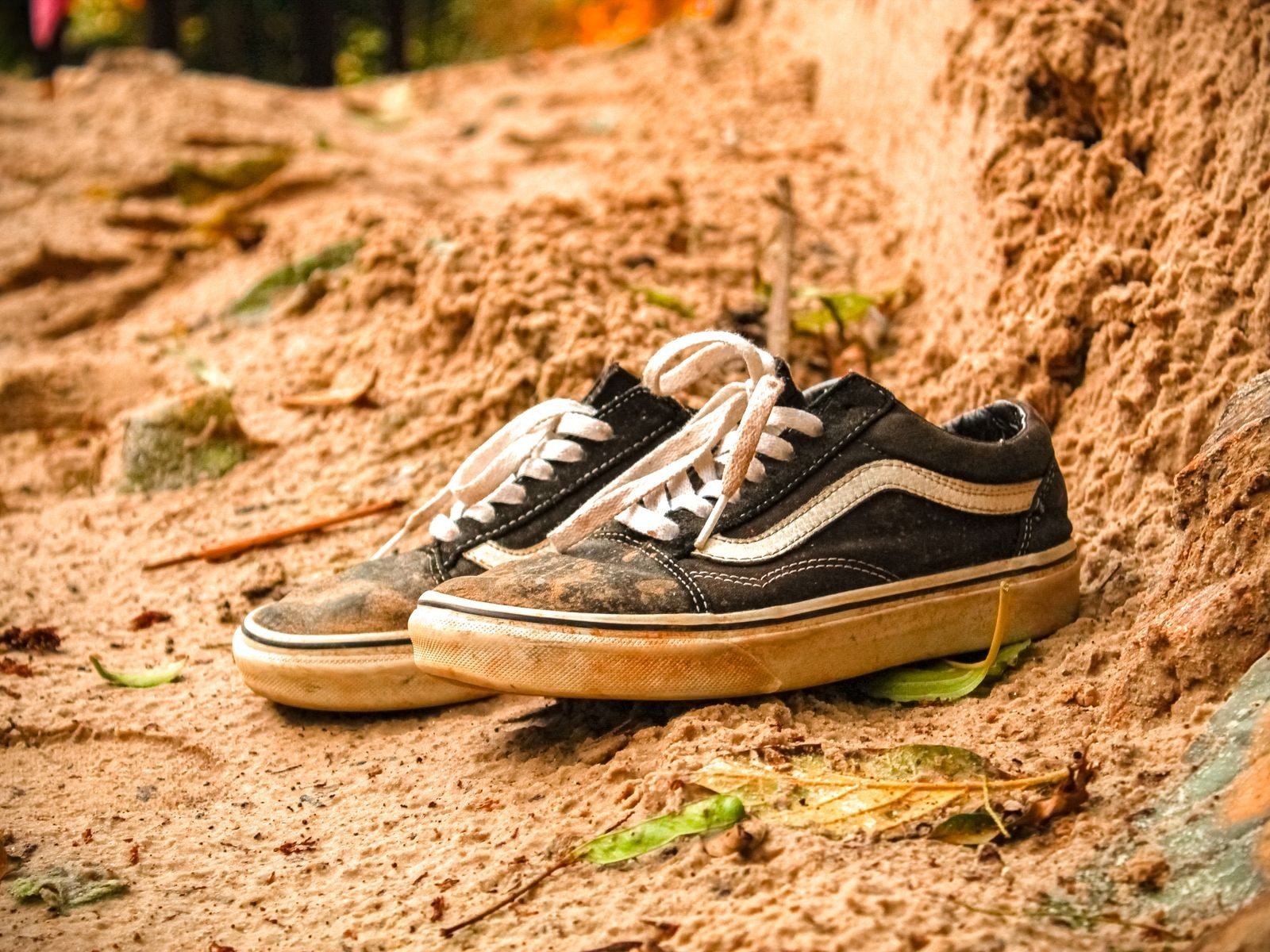
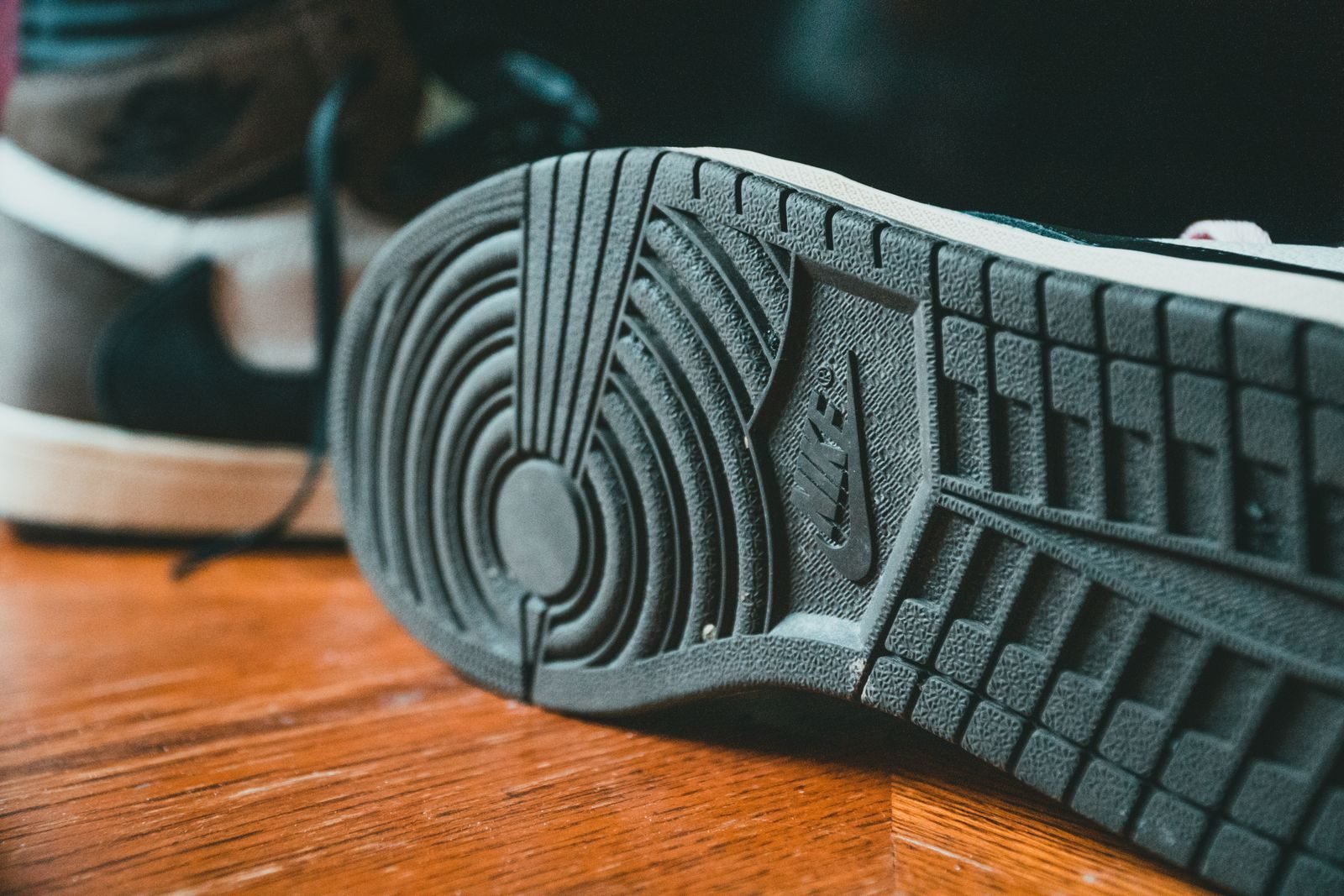
The second is that the shoe doesn’t respond the same way: impacts feel harsher and the cushioned feeling is gone. Then there are the signs you can see. Smooth areas on the outsole where there used to be tread, especially if the wear is different on each foot. Deep creases or sunken areas in the midsole foam that don’t recover. And, less often, an upper that gives way, with your foot moving around inside or a heel that no longer holds.
How to track your kilometers to know when to replace running shoes
If you want to be precise, keep a log. Most apps and GPS watches (Strava, Garmin, COROS…) let you assign each run to a specific pair and warn you when it reaches the limit you set. If you have two or three pairs, numbering them helps too.
And if you don’t want to complicate things, do a quick calculation to know when to replace running shoes. If you run 30 km a week, a 600 km shoe will last you about 20 weeks, roughly 4 or 5 months. Adjust it to your volume.
Why rotating shoes makes them last longer
Alternating two or more pairs spreads the wear, because each foam gets a rest between runs. It also varies the mechanical stress on your tissues, and a study published in the Scandinavian Journal of Medicine & Science in Sports linked it to about a 40% lower risk of injury.
Buying two pairs and alternating them can work out cheaper than it seems: each pair lasts longer and you run better protected. If you want to set up your rotation, our shoe comparison has models in different categories to combine, and in the guide on training vs racing shoes I explain how to split them.
When to replace running shoes with a carbon plate
These play by different rules. Their responsive foams perform brilliantly, but they break down much faster and their lifespan is usually shorter than training shoes. The practical approach is to keep them for races and the odd quality session and not wear them out day to day. That way you preserve both their performance and your money. If you want to understand how they work, I explain it in the guide on drop, cushioning and carbon plate.
Conclusion
So, when to replace running shoes? As a reference, between 500 and 800 km for training shoes and between 300 and 400 km for carbon-plated ones. But the real answer comes from combining kilometers with the signs of wear: listen to your body, because new aches are the first alarm, check the midsole and not just the outsole, and alternate several pairs so they last longer. Knowing when to replace running shoes is the cheapest way to avoid an injury. Choose well, run better.
Frequently asked questions
When should I replace running shoes if I run 30 km a week?
With a training shoe rated for 500 to 800 km, it will last you about 4 to 6 months. Carbon-plated racing shoes last less, around 300 or 400 km, so you will need to replace them sooner.
How do I know if my running shoes are worn out?
Look for new aches without a change in training, a loss of cushioning, visible and uneven wear on the outsole, or creases and sunken areas in the midsole. Aches with no obvious cause are the most reliable sign.
Can I go by time instead of kilometers?
It is less precise, because the foam wears with every impact, not with the passing of time. As a reference, if you run about 30 km a week, a pair will last you between 4 and 6 months.
Is it true that having two pairs makes them last longer?
Yes. When you alternate them, each midsole has time to recover between runs and lasts longer. Varying your footwear has also been linked to about a 40% lower risk of injury.
Should I replace them even if they look new on the outside?
Yes, if they have a lot of kilometers on them or you notice they don’t cushion the same. The important wear is in the midsole, which you can’t see, so a shoe can look good and have lost much of its protection.