Running Shoes and Pronation: What Science Says About Choosing by Foot Strike
Running shoes and pronation go together in one of the first pieces of advice you get when you walk into a running store: “you overpronate, you need stability” or “you have high arches, get something cushioned”. It sounds logical and has been repeated for decades, but research in recent years has called it into question. In this guide I explain what your foot strike is, how to identify yours, which types of shoe exist for each profile and why pronation shouldn’t be the only thing you look at when buying running shoes.
What your foot strike is and why it gets so much attention
Every time you run, your foot does two almost opposite jobs in milliseconds. First it lands and behaves like a flexible structure that absorbs the impact. Right after, it becomes a rigid lever that pushes you forward. That whole cycle, from contact to toe-off, is what we call your gait or foot strike.
For years, the industry started from a simple idea: if we align the foot with the right shoe, we reduce stress on the knees and hips and, with it, injuries. That is where the classification you have surely heard comes from: overpronator, supinator and neutral. It is useful for organizing a store’s catalog, but treat it as a starting point.
The three foot strike types
The classification is based on how much the foot rolls inward when it hits the ground.
Pronation and overpronation
Pronation is a natural and necessary movement: the foot rolls slightly inward to spread the impact. It is your built-in cushioning. We talk about overpronation when that roll is excessive and the weight concentrates on the inner edge of the foot and the big toe at toe-off. It is usually linked to low arches or flat feet, and it has been associated with problems like plantar fasciitis, shin splints and bunions.
Supination
The opposite: the foot rolls inward too little and the impact stays on the outside. It is common in people with high arches and stiffer feet, who cushion less naturally. That is why supinators tend to suffer more ankle sprains, stress fractures and Achilles overload.
Neutral foot strike
The balance point: the foot lands on the outer edge of the heel and rolls inward in a controlled way, spreading the weight. It is usually found in runners with normal arches. Careful, being neutral doesn’t make you immune to injury; it only means alignment isn’t your main risk factor.

Shoe types for each foot strike
The industry has created three main categories of shoe for these profiles.
| Shoe type | Who it is for | What it does |
|---|---|---|
| Motion control | Marked overpronation or very flat feet | Rigid inner support that limits inward roll |
| Stability | Mild or moderate pronation | Cushioning with gentle support |
| Neutral or cushioned | Supinators and neutral runners | No rigid supports, foams that absorb impact |
In practice, when it comes to running shoes and pronation, a supinator is usually advised to get flexibility and extra cushioning, and an overpronator a firmer midsole that stabilizes the arch. So far, the classic manual. If you want to see models in each category with their prices, use our shoe comparison.
Running shoes and pronation: how to identify your foot strike
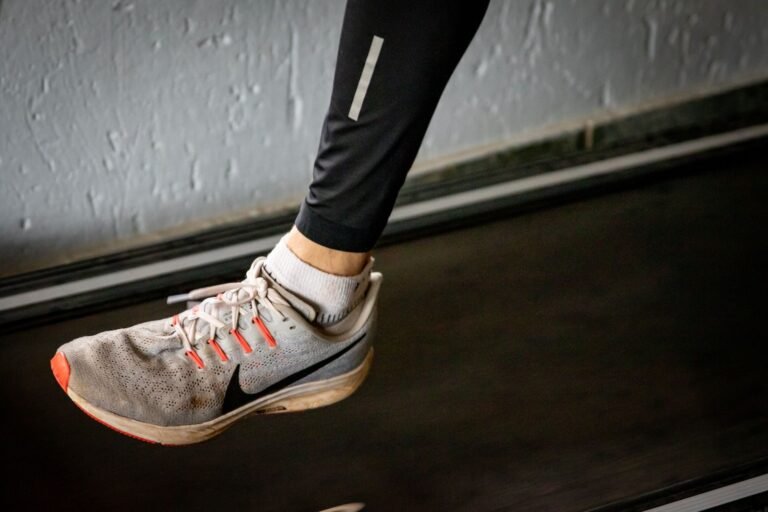
The easiest way is to look at the wear on your old shoes, because it reflects how you run in real life. If they wear on the inner edge, you tend to pronate. If they wear on the outer edge, you tend to supinate. And if the wear draws a sort of “S” from the outer heel to the big toe, your foot strike is neutral.
You can also do the wet footprint test: wet the sole of your foot and step on a surface where it leaves a mark. An almost complete footprint indicates a low arch and a tendency to pronate, and a footprint with barely any connection between heel and forefoot indicates a high arch and a tendency to supinate. It is only a rough guide, because some studies question whether it predicts what happens when you run.
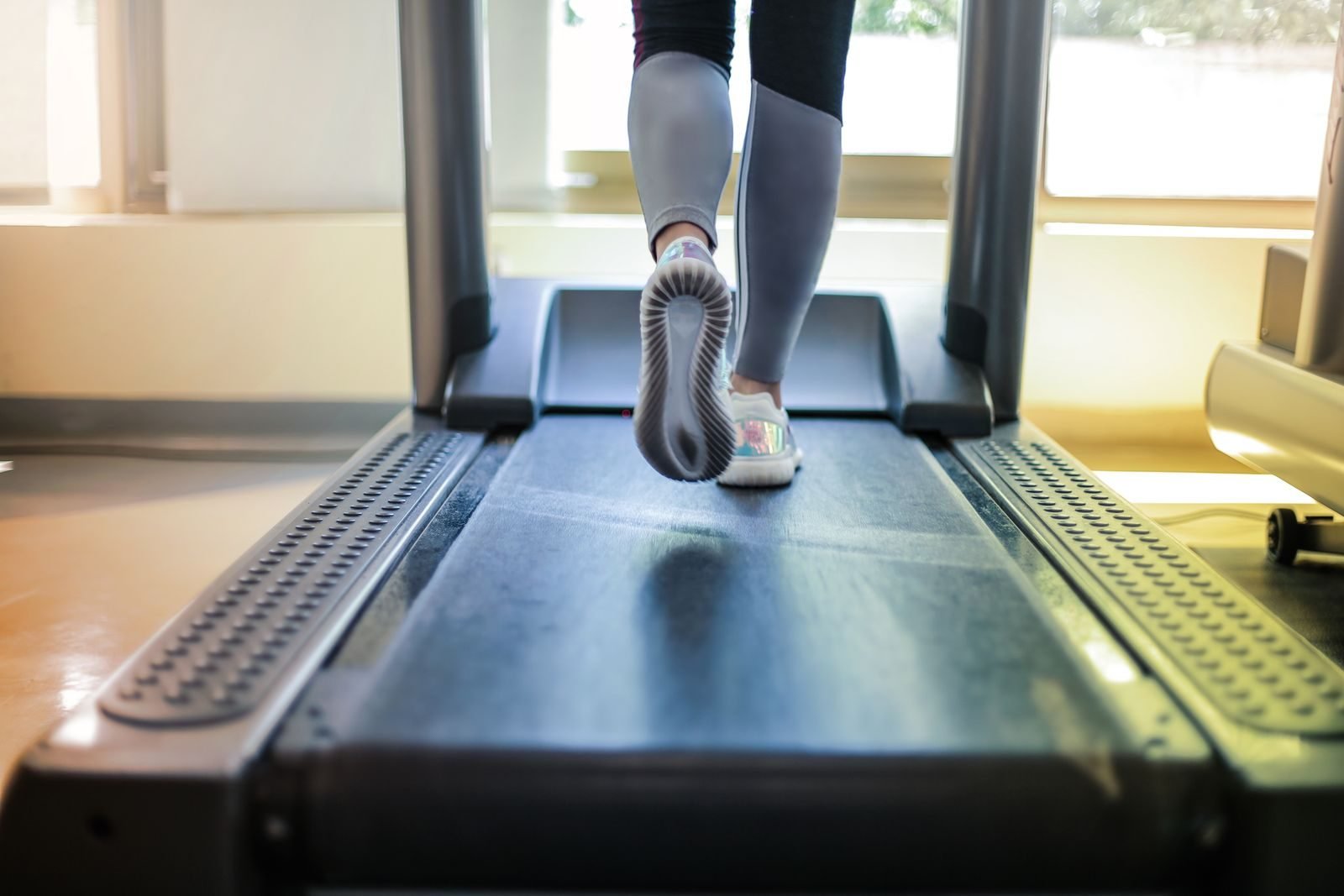
To go further, a gait analysis at a specialist store or a podiatry clinic, with a high-speed camera and a treadmill, shows your real movement under load. And more and more sensors and watches let you measure it while you run outdoors.
What science says about running shoes and pronation
Recent evidence questions whether choosing shoes by foot strike helps prevent injuries, and this doesn’t come from isolated studies.
The US military ran studies with thousands of recruits: some received shoes based on their arch shape and others standard stability shoes. There were no differences in injury rates. A one-year study of 927 beginner runners who wore neutral shoes found that pronators didn’t get injured more than anyone else. And systematic reviews agree that prescribing shoes by foot shape doesn’t reduce injury risk in recreational runners. They even suggest that wearing motion control shoes when you don’t need them could increase pain in some cases.
There is a nuance so you don’t go to the other extreme: in runners with very marked overpronation, motion control shoes have reduced some pronation-related problems. Personalizing still makes sense in specific cases. What the evidence doesn’t support is applying it to everyone by default.
Comfort matters more than running shoes and pronation labels
With the doubts about the classic model, the idea known as the comfort filter has gained ground. The idea is that your body tends to choose the footwear that matches its natural way of moving, and you feel that as comfort. Today, the comfort you feel when trying on a shoe is the best indicator that it won’t interfere with the way you run.
The rule is that simple: if a shoe feels comfortable from the first moment, that is a good sign. And never buy an uncomfortable one hoping it will soften with use.
Beyond running shoes and pronation labels, two things have good support. Alternating two or more different pairs has been linked to about a 40% lower risk of injury, because you vary the loads on the same tissues (I explain it in the guide on when to replace running shoes). And working on strength and technique, for example by raising your cadence a little, usually helps more than relying entirely on the shoe’s support. There are more ideas in the guide on runner injury prevention.
What research hasn’t settled yet
Research has gaps. There is no single definition of “excessive pronation”, which makes it hard to compare studies. Many have a moderate to high risk of bias, and there is a lack of large, well-designed trials with recreational runners. On top of that, every runner responds differently to the same shoe feature, such as foam firmness or drop (if you are interested, I explain it in the guide on drop, cushioning and carbon plate). None of this takes away from choosing wisely, but remember there are no magic formulas.
Conclusion
Looking at running shoes and pronation is still a good place to start: the overpronator, supinator and neutral classification gives you some direction, but it shouldn’t decide your purchase on its own. Put comfort ahead of the label. Know your foot strike, but if you have always run in neutral shoes without getting injured, don’t switch to stability just because you have low arches. If you keep getting injured, see a sports podiatrist. Change shoe type gradually and alternate several pairs if you run several times a week. Choose well, run better.
Frequently asked questions
How do I know if I overpronate or supinate?
The most reliable option within reach is to look at the wear on your used shoes: if they wear on the inner edge, you tend to pronate, and if they wear on the outer edge, to supinate. For a definite answer, a gait analysis at a sports podiatry clinic is the most accurate.
Do I have to choose running shoes based on pronation?
No. Recent evidence shows that choosing shoes only by foot strike doesn’t reduce injury risk for most runners. Comfort and increasing load gradually matter more.
Running shoes and pronation: what if an overpronator wears neutral shoes?
In most cases, nothing bad. A one-year study of almost a thousand beginner runners found that pronators in neutral shoes didn’t get injured more than the rest. The exception is very marked overpronation, where motion control shoes can help.
Is it worth having more than one pair of running shoes?
Yes. Alternating two or more different models varies the stress on your tissues and has been linked to about a 40% lower risk of injury.
How often should I replace my running shoes?
As a reference, 500 to 800 km for training shoes and 300 to 400 km for carbon-plated racing shoes. But pay more attention to the signs: new aches, loss of cushioning and visible wear on the outsole.