Training vs Racing Shoes: What Changes and When to Use Each
Training vs racing shoes: once you start taking running seriously, there comes a point when you wonder whether you need more than one pair and how they differ. The short answer is that they are designed for different jobs and you can’t swap them without paying a price. In this guide I explain what each type is built for, how you notice the difference when you run and how to combine them to perform better without going broke or getting injured.
Training vs racing shoes: durability or performance
It all starts with a design trade-off. You can’t have maximum durability and maximum performance at the same time, so each type gives up one to gain the other.
Training shoes are made to last for kilometers, protect your joints session after session and stay comfortable day to day. Racing shoes are made to go fast: they weigh less and return more energy, at the cost of lasting much less and costing more. Once that is clear, the other differences make sense on their own.
Training shoes: your workhorse
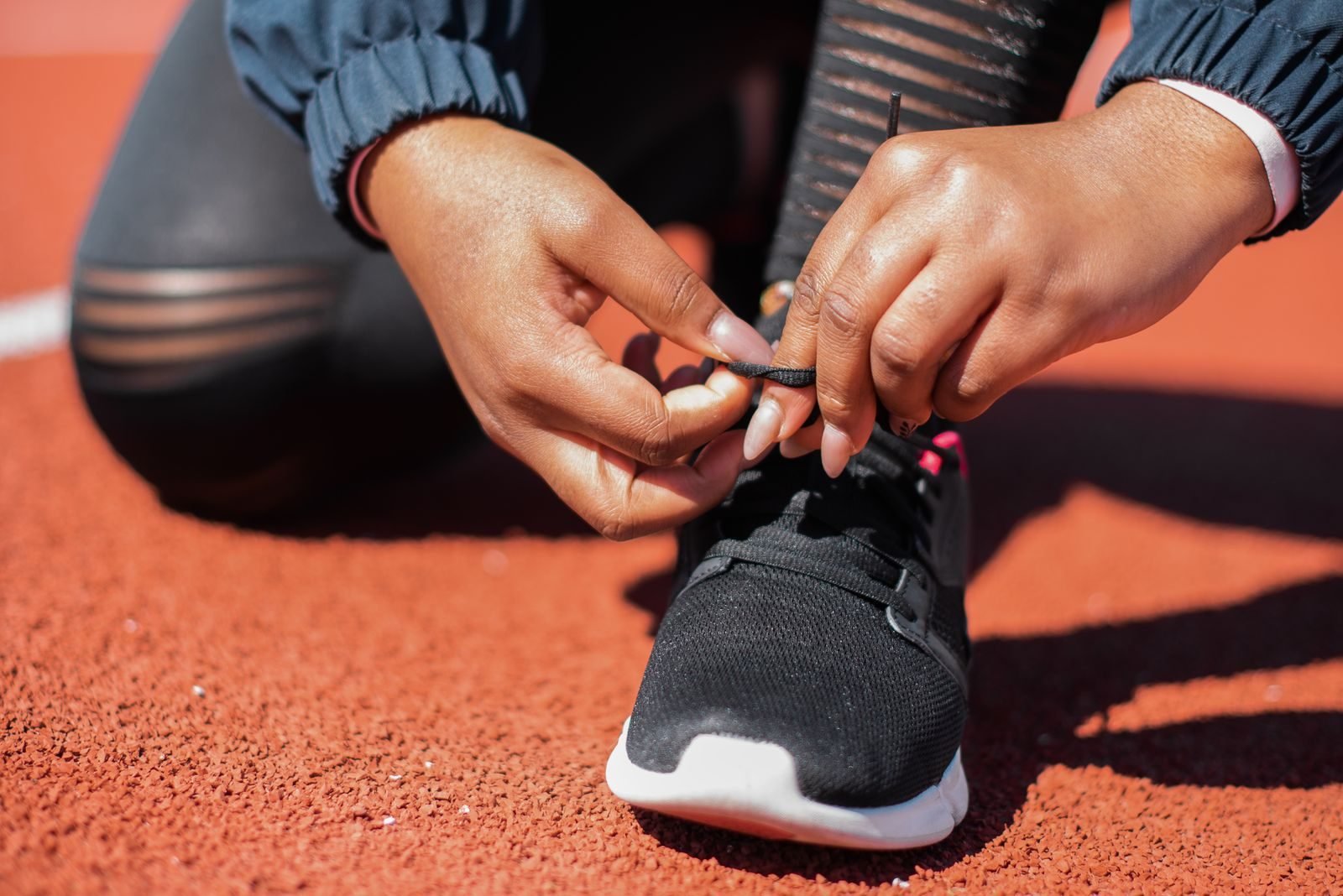
These are the shoes you will wear 80 or 90% of the time. They use a denser, more durable foam that holds up for many kilometers without losing cushioning too quickly. They weigh more, in exchange for more protection and stability. Their lifespan is usually between 500 and 800 km, and they are cheaper, so the cost per kilometer is much better.
Within this category there are nuances. There are easy-day shoes, with lots of cushioning for long runs and recovery days, and versatile daily trainers that work for almost everything. What you want is a shoe that handles your weekly volume without you having to think about it.
Racing shoes: speed first
Here there is only one goal: to make you faster on the day that matters. They are very light, so every stride costs less, and they use highly responsive foams that return a lot of energy. Most of them include a carbon plate or another stiff material that adds a lever effect and improves running economy.
The price of all that is a short lifespan, often no more than 300 or 400 km, a high cost and more stress on your calves and Achilles tendon. Doing all your training in them is throwing money away and asking for overload. If you want to understand what the carbon plate does and why these shoes break down sooner, I explain it in the guide on drop, cushioning and carbon plate.

Side-by-side comparison
| Feature | Training | Racing |
|---|---|---|
| Goal | Last and protect | Go fast |
| Weight | Heavier | Very light |
| Cushioning | Dense and durable | Responsive, wears faster |
| Carbon plate | Uncommon | Common |
| Lifespan | 500-800 km | 300-400 km |
| Price | Moderate | High |
| Use | Day to day | Races and quality sessions |
When to use training vs racing shoes
The practical rule is simple. For easy runs and long runs, use training shoes, ideally your most cushioned pair. For everyday sessions and medium-pace intervals, a versatile training shoe. Save racing shoes for races and the occasional, very specific quality session.
And one thing you can’t skip: don’t wear racing shoes for the first time on race day. The lever effect changes how your muscles work, and you need a couple of runs in them to adapt and avoid surprises.
Training vs racing shoes: a rotation works best
Rather than choosing one or the other, for almost everyone the best option is to own both and alternate them. That way each type does its job: you train protected and race fast. You also make your racing shoes last longer because you only wear them when it counts.
There is a third reason, backed by research. Alternating several pairs varies the mechanical stress on your tissues, and a study published in the Scandinavian Journal of Medicine & Science in Sports linked it to about a 40% lower risk of injury. I go into more detail in the guide on when to replace running shoes.
If you are weighing up training vs racing shoes, a realistic rotation for a recreational runner could be one easy-day pair for long runs, one daily trainer for everything else and, if you race, one racing pair. In our shoe comparison you can find models in each category to combine on your budget.
If you are preparing a race, find it in the race directory to plan when to start breaking in your racing shoes. And for long distances, sort out your fueling as well with the race carb calculator.
Conclusion
In the training vs racing shoes debate there is no winner. They are two tools for two jobs. Training shoes last, protect you and are your day-to-day base. Racing shoes make you faster, but they don’t last long and they ask more of your legs. The ideal is to own both and alternate them depending on the session, never debuting your racing shoes on race day. Choose well, run better.
Frequently asked questions
Training vs racing shoes: can I race in my training shoes?
Yes, and for many recreational runners it is perfectly fine. You will lose a bit of performance compared with racing shoes, but you gain comfort and risk nothing. The advantage of racing shoes grows the faster you run.
Are racing shoes worth it if I’m not chasing a PB?
If you run for fun and aren’t chasing times, probably not. They are expensive, don’t last long and their advantage shows up mostly at fast paces. That money goes further on a good training pair or a second pair to rotate.
How many pairs of running shoes should I have?
It depends on your volume, but with two you will already notice a difference: alternating them makes them last longer and lowers injury risk. If you race, three usually works well: easy days, daily training and racing.
Why do racing shoes wear out so fast?
Because their light, responsive foams are built to perform, not to last. The same technology that makes them fast breaks down sooner, which is why their lifespan is usually 300 to 400 km.
Can I train every day in carbon-plated shoes?
It isn’t recommended. Besides wearing them out early, their lever effect overloads your calves and Achilles tendon if you use them daily. Keep them for races and the odd quality session.