Hill Training for Runners: How to Run Up, Down and the Best Sessions
Hill training is one of the most effective ways to build strength, power and endurance without setting foot in a gym. Running uphill makes your legs push harder with every stride, and it does so with less impact than running fast on the flat. Running downhill, on the other hand, is a different kind of work that is also worth training, especially if your race is hilly. In this guide I explain what hills do for you, how to run up and down them with good form, which sessions to do and how to fit them into your week.
What hill training does for you
Running uphill is like doing strength work while you run. It works your glutes, calves and quads with a movement very close to running, which is why you notice it so much in the power of your stride. On top of that, on a hill you reach high heart rates at slow paces, so you can do intense work with less impact on your joints than fast intervals on the flat.
It also improves your form: going uphill it is almost impossible to take long strides and land in front of your body, so the hill forces you to run with short, active steps. If you are interested in that, I explain it in the guide on running form.
How to run uphill with good form
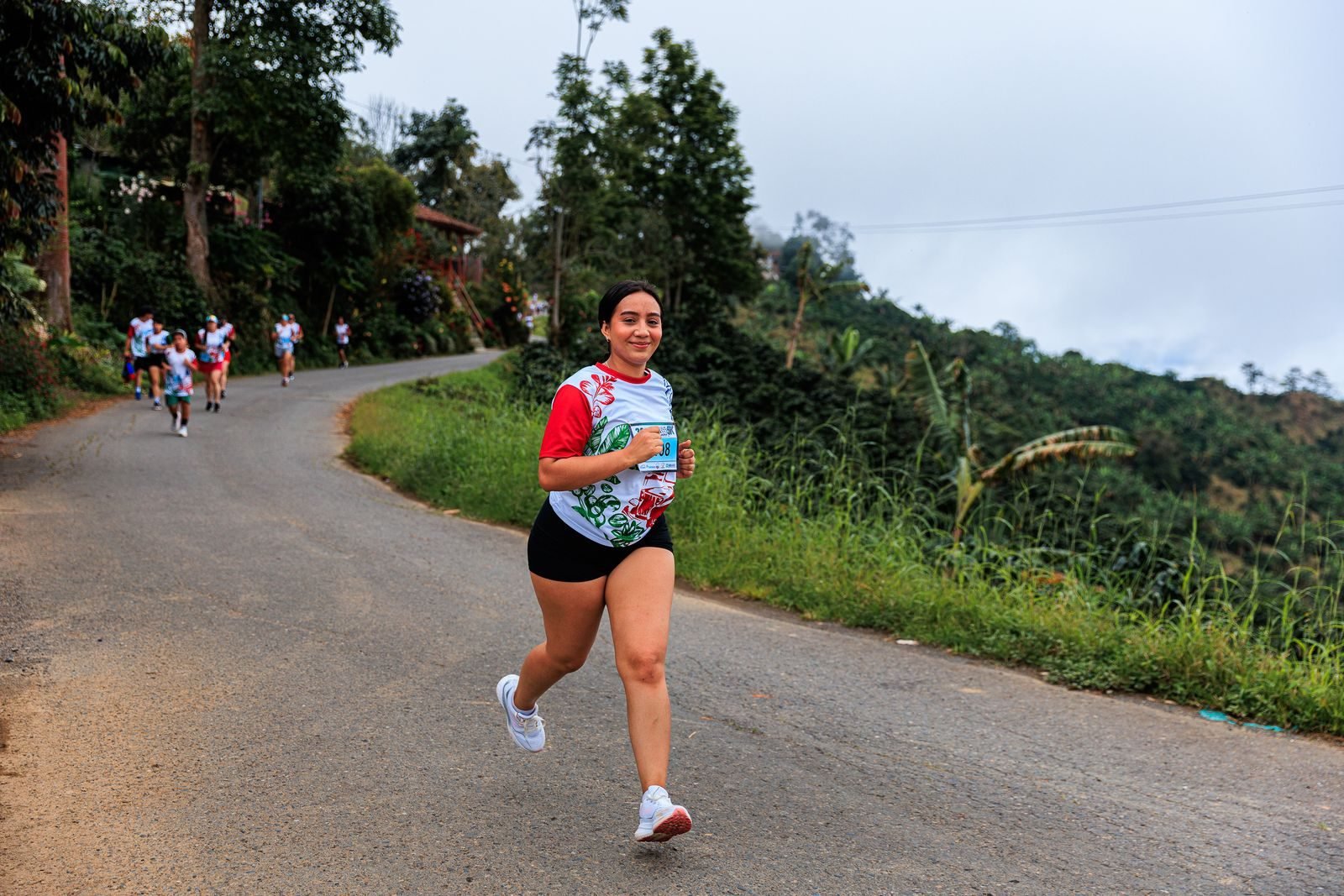
Shorten your stride and keep your cadence: short, quick steps instead of long ones. Lean slightly forward from the ankles, not by bending at the waist, and look a few meters ahead, not at the ground.
Use your arms more actively than on the flat, because they help you drive. And go by effort, not pace: on a hill you are going to be slower and that is normal. Trying to hold your flat pace is the fastest way to reach the top wrecked.

How to run downhill
Running downhill seems easy, but it is where your legs take the most load. With every step, your quads brake your body while lengthening, and that kind of effort is what causes the most muscle soreness.
To run downhill better, lean slightly forward instead of leaning back, take short, quick steps and let gravity do part of the work. Leaning back and braking on your heel with every step drives up the load on your knees and quads. If your race has long descents, practice them in training so your legs get used to them.
The best hill training sessions
Short hills
Reps of 30 to 60 seconds at a hard effort, jogging back down to recover. Start with 6 and build up to 10 or 12. They are perfect for building power and for 5K and 10K runners.
Long hills
Reps of 2 to 3 minutes at an effort similar to threshold, with the jog down as recovery. Do 4 to 6. They improve endurance and prepare you for hilly races. If you want to know how that effort feels, I explain it in the guide on threshold training.
Hill sprints
8 to 10 seconds flat out on a steep hill, with full recovery walking. 6 to 8 reps. They work strength and coordination with very little fatigue, and you can add them at the end of an easy run.
Runs over rolling terrain
If there are hills where you live, doing some easy runs or your long run on a route with climbs and descents adds strength without needing a specific session.
How to fit hill training into your week
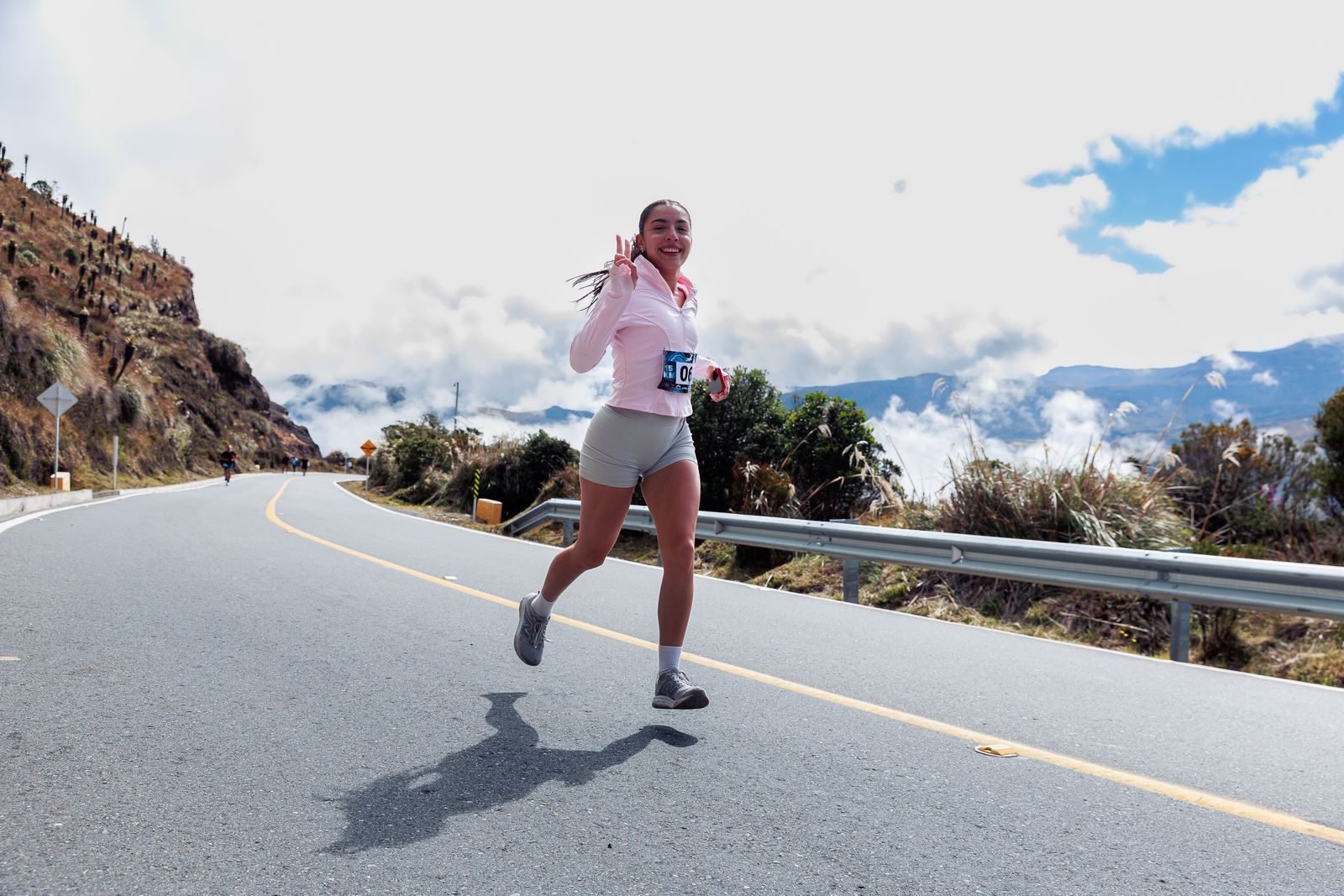
One hill session a week or every ten days is enough for most runners, alternating it with intervals or threshold work. It works especially well in the early weeks of a plan, as a strength base before the fast intervals.
If you live somewhere flat, you can do them on a treadmill at a 4 to 6% incline; it is all in the guide on treadmill running. And don’t forget strength work: your calves and Achilles tendon work hard going uphill, so start with few reps. There are exercises in the guide on strength training for runners.
Hills in a race
On race day, hold your effort, not your pace. Climb a bit slower and make it up on the descent and the flat that follows. Runners who try to keep the same pace uphill usually pay for it over the next few kilometers.
Conclusion
Hill training gives you strength, power and endurance with less impact than intervals on the flat. Run uphill with short steps, leaning from the ankles and going by effort; run downhill leaning forward with quick steps; do short hills, long hills or sprints once a week or every ten days and start with few reps. Choose well, run better.
Frequently asked questions
What is hill training good for?
It improves leg strength, stride power and endurance, with less impact than running fast on the flat. It also helps you run with more efficient form.
How often should I do hill training?
Once a week or every ten days is enough for most recreational runners, alternating with intervals or threshold work.
How do you run up a hill?
With short, quick steps, leaning slightly from the ankles, using your arms more and going by effort rather than pace.
Why do my legs hurt so much after running downhill?
Because going downhill your quads brake your body while lengthening, a type of effort that causes a lot of soreness. Practicing descents gets your legs used to it.
Can I do hill training on a treadmill?
Yes. With a 4 to 6% incline you can do short or long hills even if you live somewhere flat.