Running Clothes: Fabrics, Socks and How to Avoid Blisters and Chafing
Running clothes seem like a minor detail until a blister, thigh chafing or a soaked shirt ruins a long run or a race. You don’t need to spend much, but you do need to choose the right fabrics, socks and a few small tricks. In this guide I explain which running clothes to wear, how to choose socks and how to prevent and treat blisters and chafing.
Fabrics: technical yes, cotton no
The number one rule for running clothes is to avoid cotton. It soaks up sweat, gets heavy, takes ages to dry and chafes when wet. Technical fabrics, like polyester or polyamide, move sweat outward and dry quickly.
Merino wool is another good option, especially in the cold and on long runs: it regulates temperature well and smells less than synthetics. For cold weather, dress in layers, as I explain in the guide on running in the heat and cold.
How to choose running socks
Socks are the most underrated item and one of the biggest factors in blisters. Choose technical socks made of synthetic fiber or merino, never cotton, with no seam at the toe and a snug fit that doesn’t wrinkle.
Getting your size right matters: socks that are too big wrinkle and rub. Some runners prefer double-layer socks, which reduce friction on the skin. And height is a matter of taste, although on trails slightly taller socks keep stones out.
Blisters: why they appear and how to avoid them
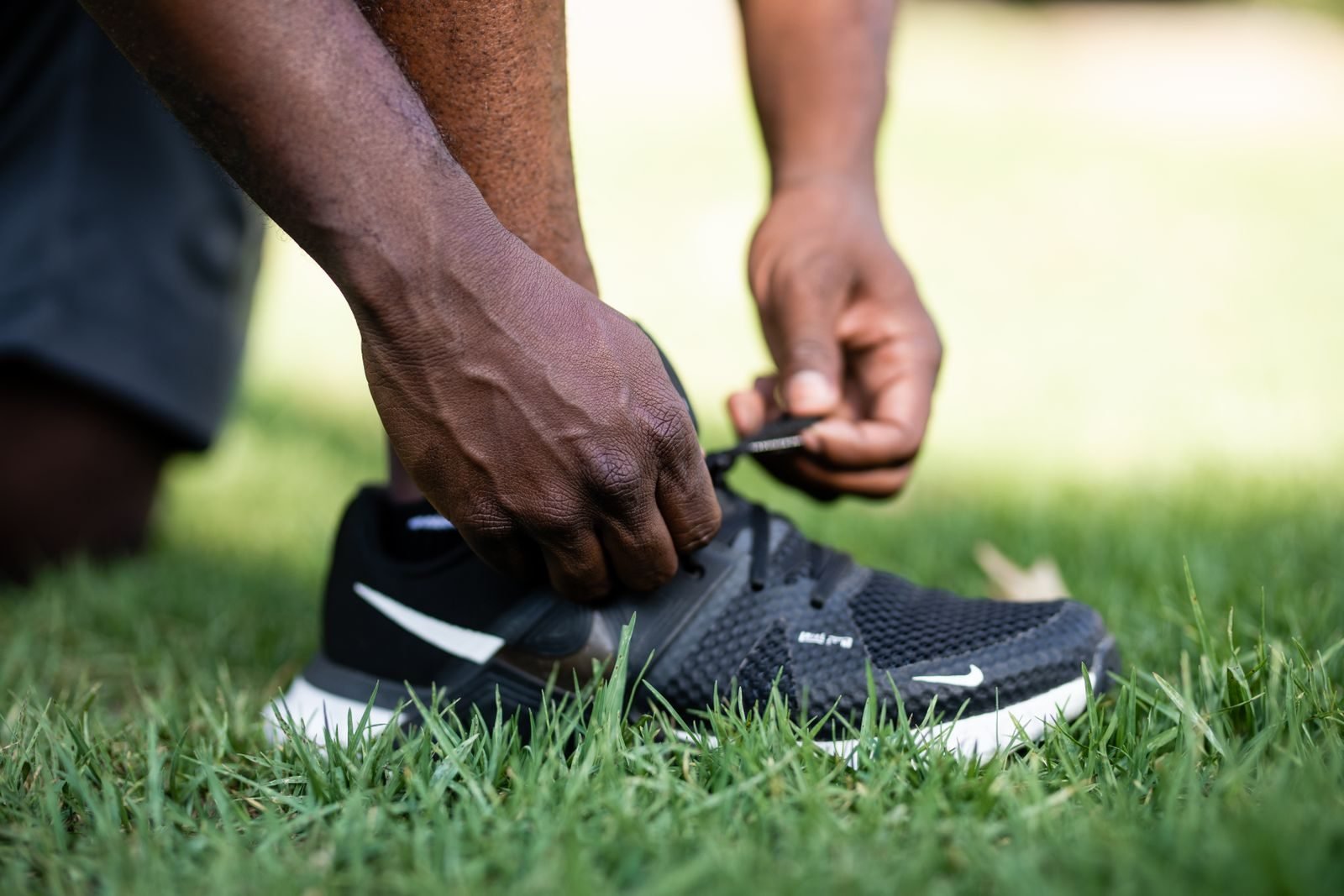
Blisters appear from repeated friction, which gets worse with moisture and heat. The most common causes are shoes in the wrong size, the wrong socks and feet wet from sweat or rain.
To prevent them, start with your shoes: the right size matters most, as I explain in the guide on running shoe size. Wear good technical socks, lace up so your foot doesn’t move and don’t wear new shoes or socks on race day. In areas where you usually get blisters, an anti-chafe cream or a piece of tape before you go out works very well.
What to do if you get a blister
If it is small and doesn’t hurt, leave it intact and protect it with a dressing. The skin on top is the best protection against infection. If it is large or very painful, you can drain it with a sterilized needle from the side, leaving the skin on top, and cover it. If it becomes red, hot, has pus or you have diabetes, see a professional.
Chafing: where it appears and how to prevent it
The typical spots are the inner thighs, nipples, armpits, waistband and, for women, under the sports bra. It comes from skin rubbing on skin or on clothing, and sweat and salt make it worse.
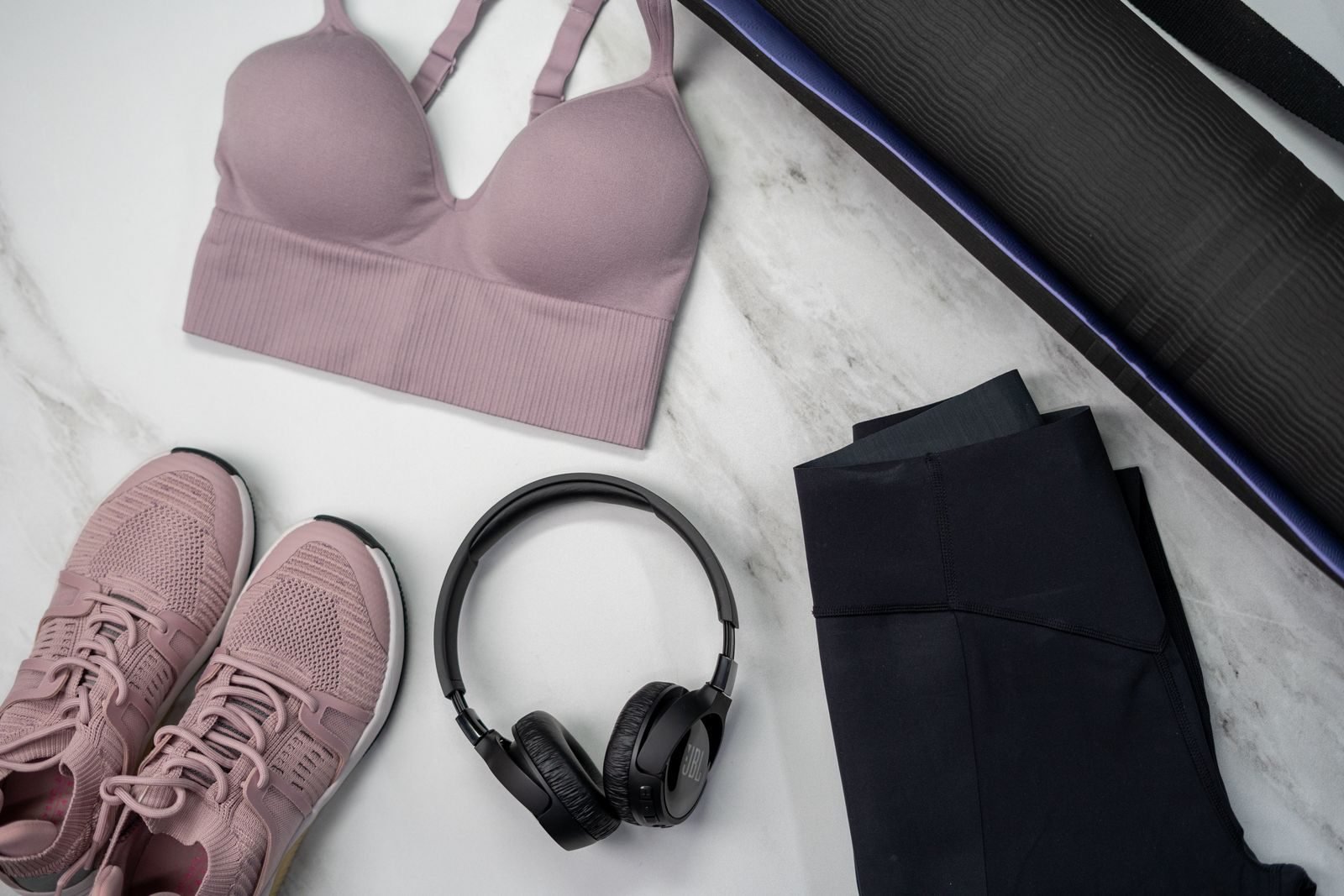
The solutions are simple. Wear short tights or shorts with a built-in liner if your thighs rub, apply petroleum jelly or an anti-chafe balm to critical areas before long runs, protect your nipples with tape or dedicated guards and choose running clothes without thick seams in those areas. A sports bra in your size, supportive without squeezing, prevents a lot of discomfort.
Other running clothes details
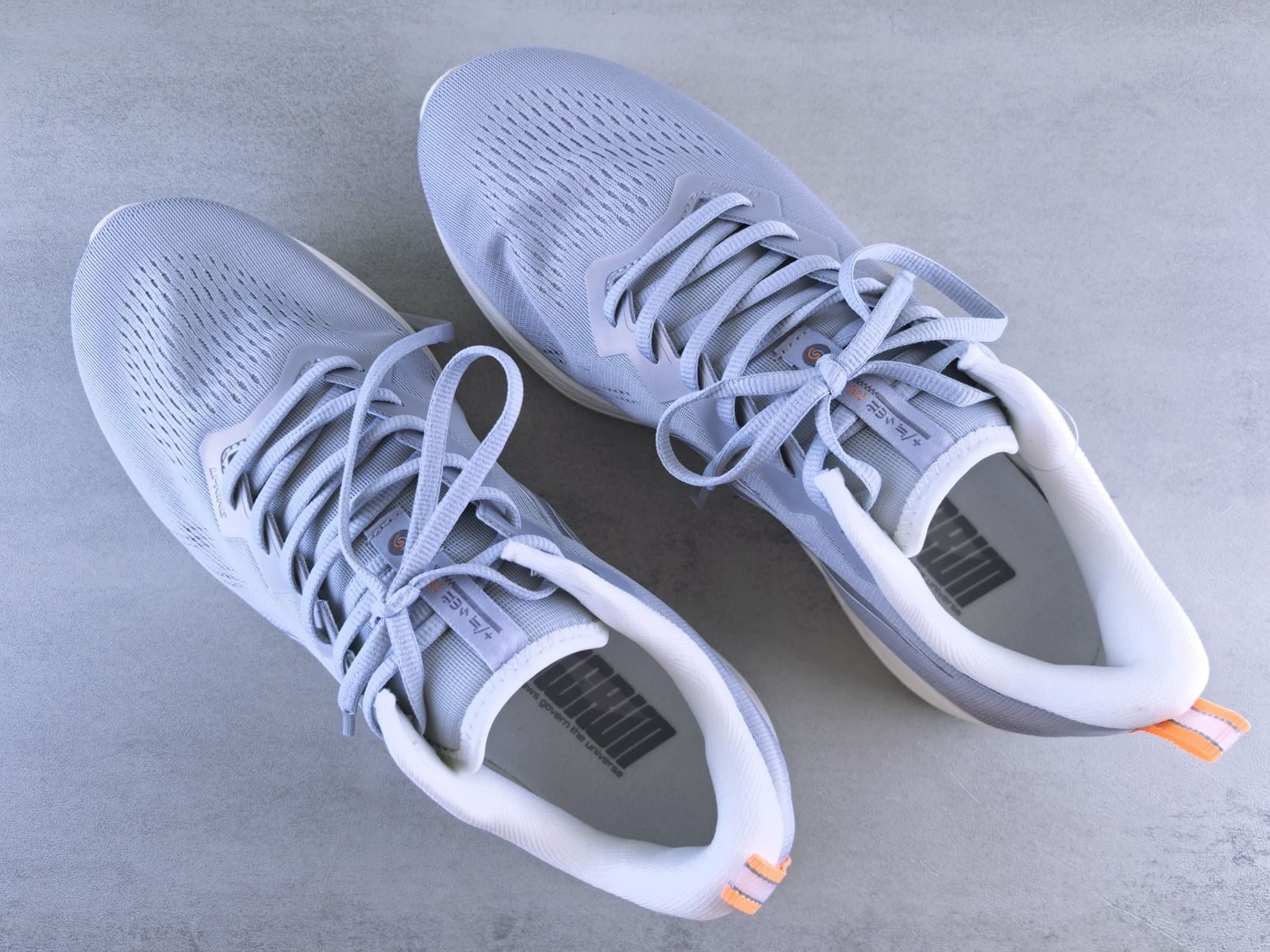
If you run at night or early, wear something reflective or a light so you are seen. In the sun, a cap and sunglasses. And always test new running clothes in training before wearing them in a race, just as you do with shoes or gels.
To look after technical clothing, wash it cold, without fabric softener, which clogs the fabric and reduces its ability to wick sweat, and avoid the dryer. And if you are looking for good prices on gear, check our deals section.
Conclusion
The ideal running clothes are technical, cotton-free, in your size and tested before races. Choose synthetic or merino socks without seams, get your shoe size right to avoid blisters, use anti-chafe cream on critical areas and leave small blisters intact. With these details, long runs become much more enjoyable. Choose well, run better.
Frequently asked questions
What are the best running clothes?
Those made of technical fabrics like polyester, polyamide or merino wool, which wick sweat and dry quickly. Avoid cotton, which soaks up sweat and chafes.
What are the best socks for running?
Technical socks made of synthetic fiber or merino, with no seam at the toe, in your size and with a snug fit. Double-layer socks help if you are prone to blisters.
How do I avoid blisters when running?
With shoes in your size, good technical socks, well-tied laces and anti-chafe cream or tape on the spots where you usually get blisters.
Should I pop blisters?
If they are small and don’t hurt, better not. If they are large or bothersome, drain them with a sterilized needle from the side, leave the skin on top and cover them.
How do I stop my thighs chafing when running?
With short tights or shorts with a built-in liner and by applying petroleum jelly or anti-chafe balm before you go out, especially on long or hot runs.