Achilles Tendon in Marathon Runners: MRI of 48 Pain-Free Runners Finds Frequent Changes
An MRI study of 48 recreational marathon runners with no pain at all found changes in the Achilles tendon in marathon runners across the group. The most common finding was inflammation of the bursa between the tendon and the heel bone, in more than a third of the participants. The paper, published in 2026 in BMC Sports Science, Medicine and Rehabilitation, also links some of these changes to body weight, years of running and foot strike. The results can be read without worrying, and this article explains why.
How the study of the Achilles tendon in marathon runners was done
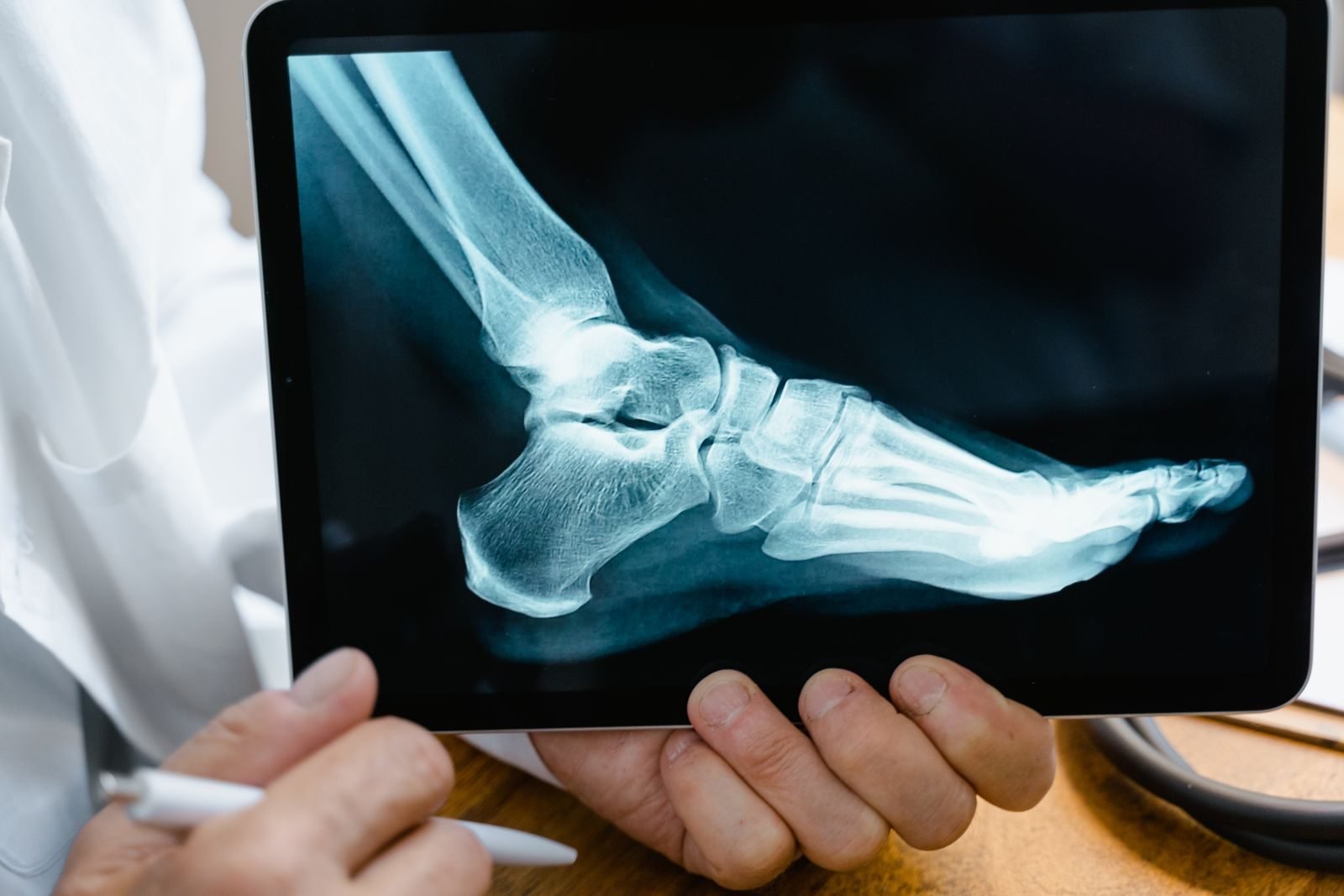
The authors, a team led by Yao, scanned the ankle of the dominant leg with high-resolution 3-tesla MRI in 48 recreational marathon runners, 39 men and 9 women, with a median age of 38. None had symptoms. They measured the thickness, volume, cross-sectional area and length of the tendon, looked for signs of injury, and compared them with running experience, monthly distance, pace and foot strike. The abstract is on PubMed and the full paper is in the journal.
What they found in the Achilles tendon of marathon runners
| MRI finding | Runners affected |
|---|---|
| Retrocalcaneal bursitis (bursa between tendon and heel) | 37.5% |
| Signs of insertional tendinopathy, next to the heel | 31.2% |
| Signs of mid-portion tendinopathy | 20.8% |
| Paratendinopathy (sheath around the tendon) | 8.3% |
| Superficial heel bursitis | None |
All were training normally and without pain, so these are subclinical changes: visible on the scan, but causing no symptoms.
Which factors were linked to each change
- Years of running: the more experience, the thicker and larger the Achilles tendon in marathon runners. That is the expected adaptation to years of load.
- Body weight: runners with retrocalcaneal bursitis had a higher body mass index, and in the combined analysis each BMI point almost doubled the odds of having it.
- Pace: runners with signs of tendinopathy, both mid-portion and insertional, ran at slower paces.
- Foot strike: strike pattern was related to bursitis. In the analysis, heel striking was associated with lower odds of having it.
- Tendon volume: a larger tendon was associated with signs of mid-portion tendinopathy.
How to read the study without worrying
Seeing something on an MRI is not the same as being injured. Scan changes show up in people without pain in many parts of the body, and this study confirms it for the Achilles tendon in marathon runners without symptoms. If you ever have a scan that shows “tendinopathy” without any pain, it does not mean you have to stop running.
This is also a cross-sectional study, a snapshot at one point in time, so it only shows associations. That slower runners had more signs of tendinopathy does not mean running slowly damages the tendon; other factors, such as age or weight, cannot be separated with 48 people.
The sample is small too, with only nine women, so the percentages may differ in other groups of runners.
What you can do with this information
The findings fit the usual advice for the Achilles tendon in marathon runners:
- Increase volume gradually. The tendon adapts more slowly than muscle, and sudden jumps in mileage are one of the most common triggers of symptoms. The article on weekly running distance explains how to progress.
- Strengthen your calves, both gastrocnemius and soleus, with slow, loaded heel raises. I cover this in strength training for runners.
- If you are carrying extra weight, the tendon and heel take more load with every step, so losing some weight helps here too.
- If you get pain in the tendon in the morning or when you start running, do not wait. The article on Achilles tendinitis covers what to do and when to see a physiotherapist.
This study is no reason to change your foot strike: the link with bursitis is one association among several, and changing technique suddenly carries its own risks.

FAQ
Is it normal to have Achilles tendon changes without pain?
In this study of the Achilles tendon in marathon runners, yes: more than a third of marathon runners without symptoms had retrocalcaneal bursitis on MRI, and about three in ten showed signs of insertional tendinopathy.
Does running for many years thicken the Achilles tendon?
Looking at the Achilles tendon in marathon runners, those with more years of experience had thicker and larger tendons, which fits with an adaptation to load.
What factors were linked to heel bursitis?
A higher body mass index, more years of running and foot strike pattern.