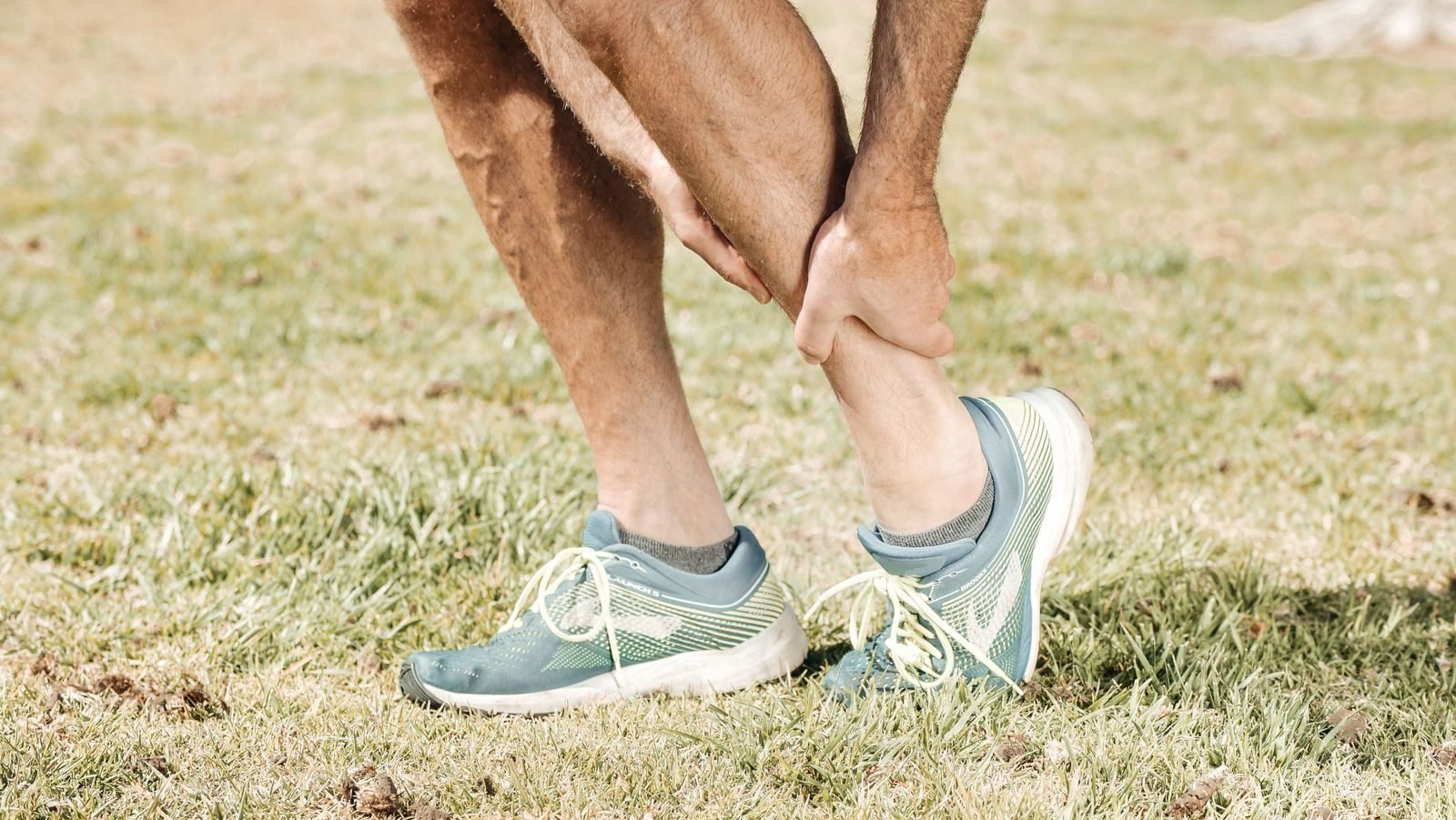
Shin Splints in Runners: Symptoms, Causes and How to Return to Running
Shin splints are pain along the inner edge of the shinbone that appears when you run, and they are one of the most typical injuries for beginners and for anyone who increases volume too fast. The technical name is medial tibial stress syndrome. They usually improve with a few weeks of load adjustment, but they need to be told apart from a stress fracture, which is more serious. In this guide I explain how to recognize shin splints, why they appear, what to do and how to return to running without them coming back. This is general information and doesn’t replace a diagnosis from a professional.
What shin splints are
They are an overload of the tibia and the tissues that attach to it, on the inner, lower part of the leg. The bone takes more impact than it can absorb and responds with pain. It is considered part of the bone stress injury spectrum, which is why it shouldn’t be ignored.
It is very common in beginner runners, people returning after a break and those who increase volume, add intervals or switch to harder surfaces suddenly.
Shin splints symptoms
The pain is on the inner edge of the tibia, in its middle or lower third, and usually covers an area of several centimeters. At first it appears when you start running and eases as you warm up; if it progresses, it hurts throughout the run and afterward.
Watch out for these signs, because they can indicate a stress fracture: pain in one very specific spot, pain at rest or at night, pain when hopping on one leg or swelling. In that case, stop running and see a doctor. There are other warning signs in the guide on runner injury prevention.
Why shin splints appear
The main cause is increasing load faster than the bone can adapt. Bones and tendons take longer than your heart to adapt, so you can feel ready to run more before your legs are. I explain it in the guide on how to start running.
Always running on hard surfaces, a low cadence with long strides that increase impact, weak calves and soleus, and having had the injury before also play a part. In women, eating too little for the training load increases the risk of bone injuries.
What to do if you have shin splints
Reduce or stop the load
Cut your volume or stop running for a few days until walking no longer hurts. Meanwhile, keep fit with cycling, swimming or the elliptical, as long as it doesn’t hurt.
Strengthen your calves and soleus
The calf muscles absorb part of the impact that would otherwise go to the tibia. Do calf raises, with a straight and a bent knee, once walking no longer hurts. There are more exercises in the guide on strength training for runners.
Check your form
Raising your cadence by 5 to 10%, with shorter steps, reduces the impact of each stride. I explain it in the guide on running cadence. And a few minutes of ice after running can ease the pain, although it doesn’t heal the injury.

How to return to running
When you can walk and hop gently without pain, come back with short runs on alternate days and on softer surfaces, like dirt or a track. If it helps, start by alternating running and walking. Increase volume gradually and leave intervals and hills until you have had several weeks without pain.
Most cases resolve in a few weeks if caught early. If you still have pain after three or four weeks without running, see a professional to rule out a stress fracture.
How to prevent shin splints
Increase weekly volume gradually, vary your surfaces, replace your shoes when they are worn (I explain when in the guide on when to replace running shoes), do calf strength work all year round and eat enough for your training.
Conclusion
Shin splints are pain along the inner tibia caused almost always by increasing load too fast. Cut back or stop for a few days, keep fit without impact, strengthen your calves and soleus, raise your cadence a little and return gradually. And if the pain is in one specific spot, appears at rest or doesn’t improve, get checked to rule out a stress fracture. Choose well, run better.
Frequently asked questions
How long do shin splints take to heal?
If caught early and load is reduced, they usually improve in a few weeks. If ignored and you keep running through the pain, they can last much longer.
Can I run with shin splints?
If the pain is mild and disappears as you warm up, you can continue with much less volume on soft surfaces. If it hurts throughout the run or when walking, stop and do non-impact exercise.
How do I know if it is shin splints or a stress fracture?
Shin splints hurt over an area of several centimeters. A stress fracture usually hurts in one specific spot, also at rest or at night, and when hopping on one leg. If in doubt, see a doctor.
What exercises help with shin splints?
Calf raises with a straight and bent knee to strengthen the calf and soleus, once walking no longer hurts.
How can I prevent shin splints?
By increasing volume gradually, varying surfaces, replacing worn shoes, doing calf strength work and eating enough.