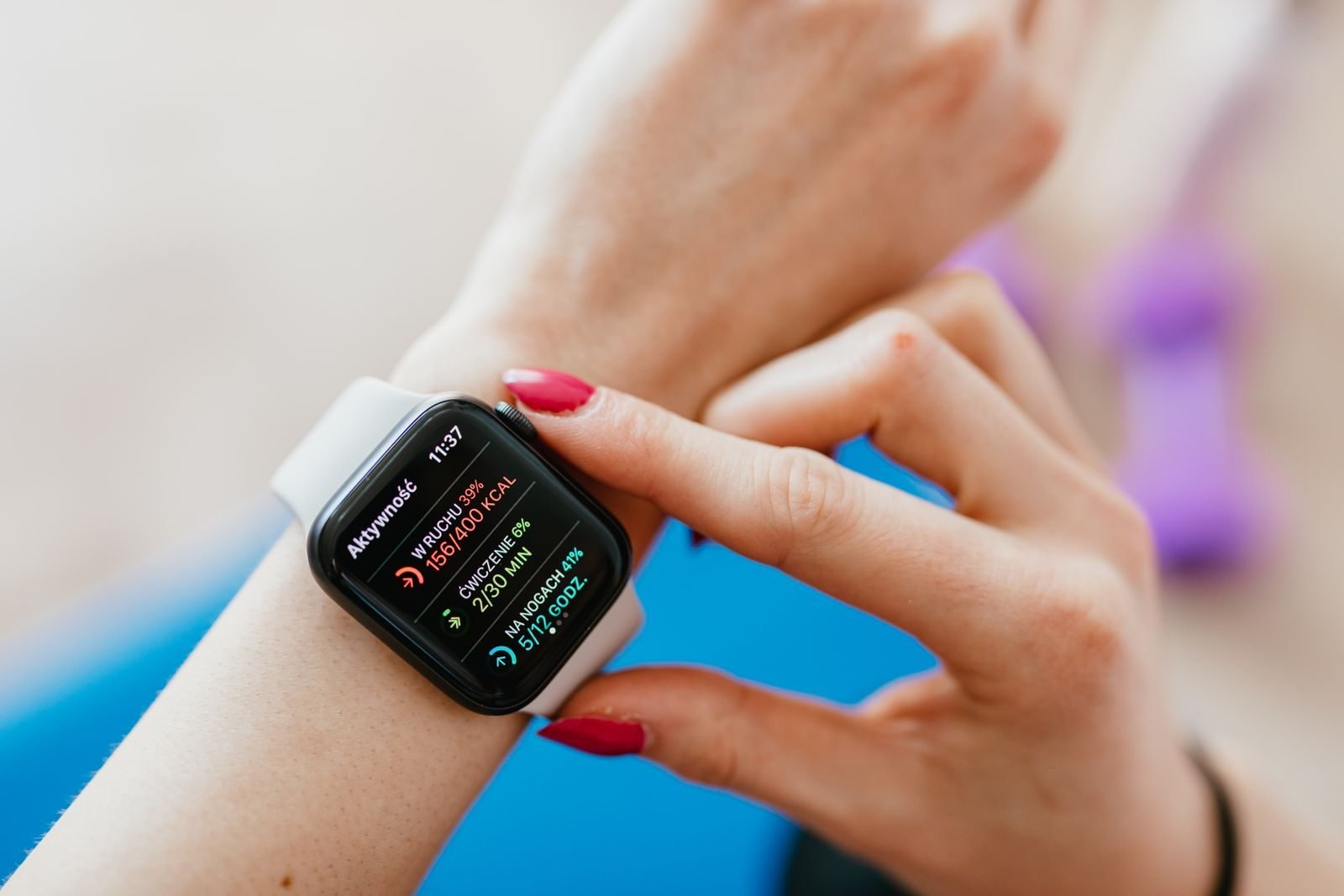
Resting Heart Rate and HRV: What They Are and How to Use Them in Training
Resting heart rate is the number of beats per minute your heart makes when you are completely relaxed. It is one of the simplest indicators of your fitness and recovery: it drops as you train and rises when you are tired, ill or stressed. Together with heart rate variability (HRV), which almost every watch now measures, it can help you decide whether a day calls for pushing or resting. In this guide I explain what values are normal, how to measure it properly and how to use both without obsessing.
What resting heart rate is
It is your pulse after you have been still for a while, ideally right after waking up. In adults, 60 to 100 beats per minute is considered normal, and in trained runners it often drops to 45 or 55, sometimes lower.
It falls with aerobic training because your heart becomes bigger and more efficient: it pumps more blood with each beat and needs to beat fewer times. That makes it a good way to track your progress over months, in line with what I explain in the guide on how to lower your heart rate while running.
That said, like max heart rate, it varies a lot from person to person. Don’t compare yours with other people’s, compare it with yourself.
How to measure your resting heart rate
Measure it in the morning, right after waking, lying down and before getting up or checking your phone. You can count your pulse at your wrist or neck for 60 seconds, use a chest strap or rely on your watch, which calculates it overnight.
A single day doesn’t tell you much. What is useful is having your baseline, the average of one or two normal weeks, and watching for deviations.
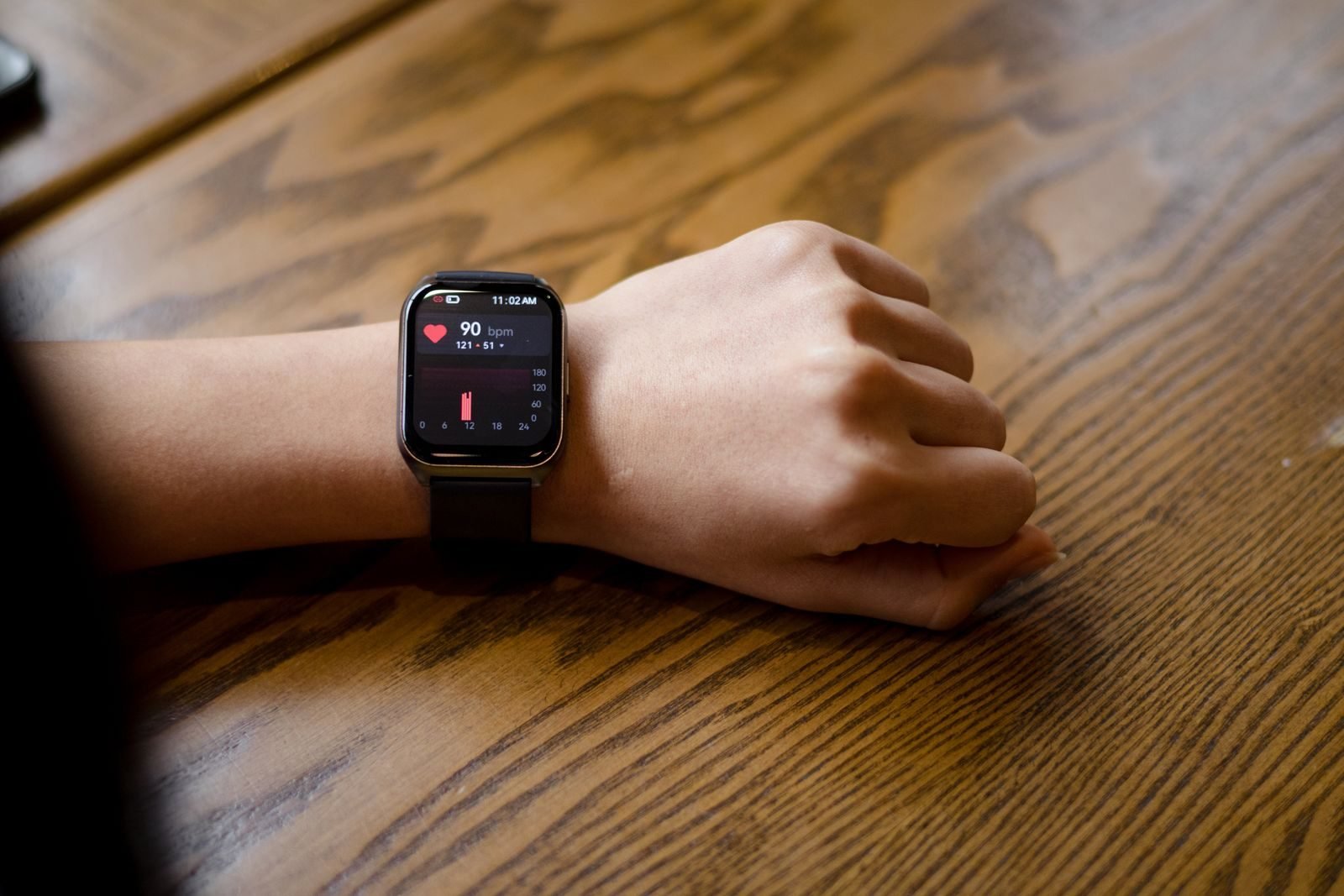
What your resting heart rate tells you
If one morning it is 5 to 7 beats or more above your usual value, something is going on. It could be accumulated training fatigue, the start of a cold, poor sleep, stress, alcohol the night before or heat.
One odd day is no reason for alarm, but if it stays high for several days in a row, it is worth cutting back. And if you also feel drained, sleep badly or easy runs feel hard, that is a clear sign you need rest.
What heart rate variability (HRV) is
Your heart doesn’t beat like a metronome: the time between one beat and the next keeps changing slightly. That variation is heart rate variability, or HRV, and it reflects the balance of your nervous system.
In general, a high HRV compared with your average means you are recovered and ready to train. A low HRV compared with your average usually signals fatigue, stress or that your body is dealing with something, like an infection.
How to use HRV without obsessing
HRV values vary enormously between people, so the number itself matters little. What counts is your trend: the average of the last seven days compared with your normal range. Most watches and apps already make that comparison for you.
To make it reliable, always measure it under the same conditions: overnight or right after waking, in the same position. And don’t react to it after a bad day; one low reading means nothing.

How to adjust your training with this data
If your resting heart rate is high and your HRV low for several days, swap the hard session for an easy run or a rest day. If only one of the two looks off and you feel fine, you can train as normal.
Use this data as a warning, not an order. How you feel, your sleep and your appetite count just as much. And remember that rest is part of the plan, as I explain in the guide on how many days a week to run.
Conclusion
Resting heart rate drops as your fitness improves and rises when you are tired, ill or stressed. Measure it in the morning, learn your usual value and watch for rises of 5 to 7 beats. Combine it with your HRV trend and use both as a warning to adjust your training, without comparing yourself with anyone. Choose well, run better.
Frequently asked questions
What is a normal resting heart rate?
In adults, 60 to 100 beats per minute. In trained runners it is common to be between 45 and 55, and some distance runners go below 40.
When should I measure my resting heart rate?
In the morning, right after waking, lying down and before getting up. What is useful is comparing it with your average over several weeks, not looking at a single day.
What does a higher than normal resting heart rate mean?
If it is 5 to 7 beats or more above your average, it can signal accumulated fatigue, the start of an illness, poor sleep or stress. If it stays up for several days, cut back.
What is a good HRV?
There is no universal good value, because it varies a lot between people. What matters is your trend: being in your usual range or above it signals good recovery.
Should I stop training if my HRV is low?
Not for a single day. If it is low for several days in a row and your resting heart rate is also high or you feel tired, swap the hard session for an easy or rest day.