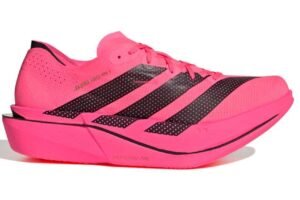
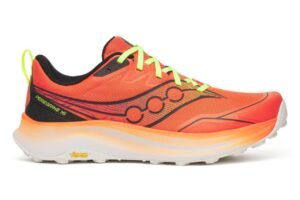
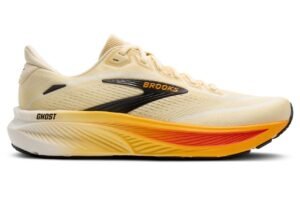
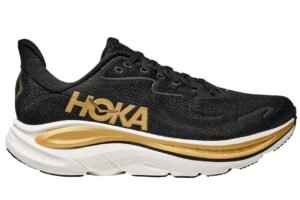
Best Running Shoes: A Guide to Choosing and Comparing
Choosing running shoes has become a small odyssey. Every brand launches dozens of models a year, with nearly identical names, branded technologies and prices ranging from 80 to 250 euros. What are the best running shoes for you? The answer is not a single model, but the one that fits your foot strike type, your surface, your goal and your budget. This page gathers the best reviewed models, with their specs and ratings, and lets you filter them by type, foot strike, carbon plate and price so you find yours without getting lost.
This guide explains what to look at when choosing the best running shoes for you, what each feature on the cards means, how to get it right for your runner profile and how to use the search to reach the candidates fast. The list of the best running shoes on this page is ordered by rating, so the most recommended is always at the top. Below the filters you will find everything you need to choose wisely.
How to Find the Best Running Shoes With the Search
The search is designed so you reach the best running shoes that fit you without reviewing dozens of cards. The filters at the top narrow the search by the criteria that truly determine whether a model is for you.
The type filter separates shoes by surface: road, trail or mixed. It is the first filter you should apply, because a trail shoe in the city wears out fast and slips, and a road shoe in the mountains does not grip. Choose based on where you usually run.
The foot strike filter lets you keep the shoes suited to how you land your foot: neutral, overpronation or supination. Running in a shoe that does not match your foot strike can increase the risk of discomfort, so this filter matters if you know your foot strike type.
The carbon plate filter isolates the models with this racing technology, designed for fast paces. And the price filter matches the search to your budget, from affordable options to the high end. Combining these four filters, the list of the best running shoes narrows down to those that truly fit you.
What Each Feature Means
Each card in the list of the best running shoes shows a series of data points worth understanding, because each one tells you something different about how the shoe behaves. Let us go one by one.
Weight is one of the most decisive specs. A light shoe feels nimble and fast, ideal for brisk paces and racing; a heavier one usually offers more cushioning and protection for long runs. There is no best weight in the abstract: it depends on the use you will give it.
Drop is the difference in height between the heel and the toe, in millimeters. A high drop, 8 to 12 millimeters, favors a heel strike and offloads the Achilles tendon; a low drop, 0 to 6 millimeters, brings the mechanics closer to natural running but demands adaptation. It is a key data point and you should not change drop abruptly.
The rating sums up the model’s overall quality in a score out of 10 according to the review, taking into account performance, cushioning, durability and general behavior. Since the list of the best running shoes is ordered by rating, the top-rated models always appear first, but it is worth reading the full review to understand what lies behind the score.
Type and carbon plate complete the picture. Type indicates the surface, as we saw. The carbon plate flags whether the shoe mounts this reactive technology, which improves running economy at high paces but makes the model more expensive and reduces its durability. Each feature gets you closer to knowing whether that shoe is right for what you are after.
How to Choose the Best Running Shoes for Your Runner Type
Finding shoes is easy; choosing the right ones takes thought about what type of runner you are and what you want. There are no universal best running shoes, only the best for your case.
If you are a beginner or run to stay fit, prioritize comfort, cushioning and durability over weight or the carbon plate. A good training shoe, versatile and well-cushioned, will serve you for almost everything while you build base and experience. You do not need the latest or the most expensive; you need something comfortable and suited to your foot strike.
If you already train regularly and want to improve, you might want more than one pair: a cushioned training shoe to pile up kilometers and a lighter, faster one for quality days and races. Rotating shoes extends their life and varying the stimulus can help prevent injuries.
If you race and want to perform, that is where lightness and the carbon plate come into play. A racing shoe sacrifices durability for responsiveness and speed, and can make a difference on race day. But these are specific models, expensive and less durable, so they make sense as a complement to a good training shoe, not as your only option.
The Importance of Foot Strike and Drop
Two features deserve special attention because they most influence comfort and the prevention of discomfort: foot strike and drop.
Foot strike describes how your foot rolls when it lands. Neutral is the most common and works with most models. Overpronation, with the ankle tending to roll inward, benefits from shoes with support or stability. Supination, less frequent, calls for flexible cushioning. If you do not know your foot strike, an analysis at a specialist shop or with a sports podiatrist can guide you, though for most recreational runners a quality neutral shoe works well.
Drop is the other key piece. Changing abruptly from a high drop to a low one overloads the Achilles tendon and calves, so if you come from traditional 10-millimeter shoes and want to go lower, do it gradually. There is no best drop: it depends on your mechanics, your history and your feel. What matters is consistency and gradual adaptation.
These two features, along with the surface where you run, are what you should filter first. The rest of the specs, like weight or the plate, fine-tune the choice, but foot strike and drop determine whether a shoe will be comfortable for you in the long run.
When to Buy the Best Running Shoes and How to Save
Good shoes are not cheap, but there are ways to get the best running shoes at a better price if you know when to buy. The most effective trick is to take advantage of a model’s new-version launch: when the annual update comes out, the previous version drops in price at once, often with aggressive discounts, and is usually practically identical. There are excellent bargains there.
The big discount events, like Black Friday and seasonal sales, are other windows where the best running shoes fall in price. And the outlet sections of specialist shops clear stock from previous seasons all year round. If your purchase is not urgent, waiting for the right moment can mean a considerable saving without giving up quality.
That said, do not let price rule over suitability. Heavily discounted shoes that are not your size, your foot strike or your use are not a saving, they are an expense. Filter first by what you need and leave price as the final criterion, not the starting point.
Cushioning, Foams and Technologies: What’s Behind the Marketing
Brands invest heavily in flashy names for their technologies, but behind the jargon there are concepts worth understanding so you are not swayed by marketing alone. Cushioning is the heart of a shoe: it determines how it absorbs impact and how it returns energy. Modern foams are much lighter and more reactive than those of a few years ago, and are the main reason today’s shoes perform so well.
There are two broad approaches to cushioning. A soft, plush shoe offers maximum protection and comfort, ideal for long runs and for those looking to protect their joints. A firmer, more reactive shoe returns more energy and transmits the feel of the terrain better, which appeals to those seeking pace and response. Neither is better: it depends on what you prioritize and your feel when running.
Durability is another factor the marketing rarely highlights. The sole compounds and the quality of the upper determine how many kilometers the shoe will last before degrading. In general, training shoes are built to last, while racing shoes sacrifice lifespan for performance. When reading a review, look at both the feel and the durability data, because a shoe that falls apart in a few months is not a good deal however well it performs at first.
From the Best Running Shoes to Your Training
Choosing the shoe well is the equipment; getting the most out of it is what really improves your running. Once you have the right model for your foot strike and your goal, the next step is to train wisely: run at the right paces, control intensity and plan your races. That is where the shoe list connects with the rest of KnowPace’s tools.
You can estimate what time you could run in your next race with our Race Time Predictor, calculate what paces you should train at, control intensity with our Heart Rate Zone Calculator and plan your fueling for long events with our Race Carb Calculator. The right shoe, combined with well-calibrated training, is what leads you to run better and injury-free. And if you are torn between two specific models, our comparison pits them head to head.
Frequently Asked Questions
What are the best running shoes?
There is no single best model for everyone. The best running shoes are the ones that fit your foot strike type, the surface where you run, your goal and your budget. The list of the best running shoes on this page is ordered by rating, so the most recommended is at the top, but the ideal approach is to filter by your needs and, whenever you can, try the models on before buying.
How do I know which shoe is right for my foot strike?
First you need to know your foot strike: neutral, overpronation or supination. You can find out with an analysis at a specialist shop or with a sports podiatrist. Once you know it, filter shoes by that criterion: neutral shoes suit most people, overpronators benefit from support and supinators from flexible cushioning. Running in the shoe suited to your foot strike improves comfort and reduces discomfort.
Is a carbon-plate shoe worth it?
Only if you race and want to perform at fast paces. The carbon plate improves running economy, but it makes the shoe more expensive, reduces its durability and adds little on the daily run. For most runners, especially in training, a good shoe without a plate is more versatile, durable and affordable. Save the plate for racing if you are really going to use it.
What drop should I choose?
It depends on your mechanics and your history. If you come from traditional shoes or land on the heel, a high drop of 8 to 12 millimeters is usually comfortable. If you want a more natural run, a low drop can help, but it requires gradual adaptation. The most important thing is not to change drop abruptly, because a big jump overloads the Achilles tendon and calves.
How often should I replace my shoes?
As a general reference, a training shoe lasts around several hundred kilometers before losing cushioning and protection, though it varies with the model, your weight and your technique. Racing shoes, being lighter, usually last less. A good indicator is the feel: when you notice your legs more beaten up than usual after runs, the cushioning may be spent.
Can I use the same shoes for road and trail?
A mixed shoe can work if you alternate occasionally, but for frequent use of both surfaces the ideal is to have one of each. Road shoes do not grip well in the mountains and get damaged on technical terrain; trail shoes wear out fast and feel uncomfortable on the road. Filtering by surface type is the first thing you should do when looking for shoes.
Want to find your next pair? Scroll back to the search above, filter by type, foot strike, plate and price, and discover the best running shoes for how you run.