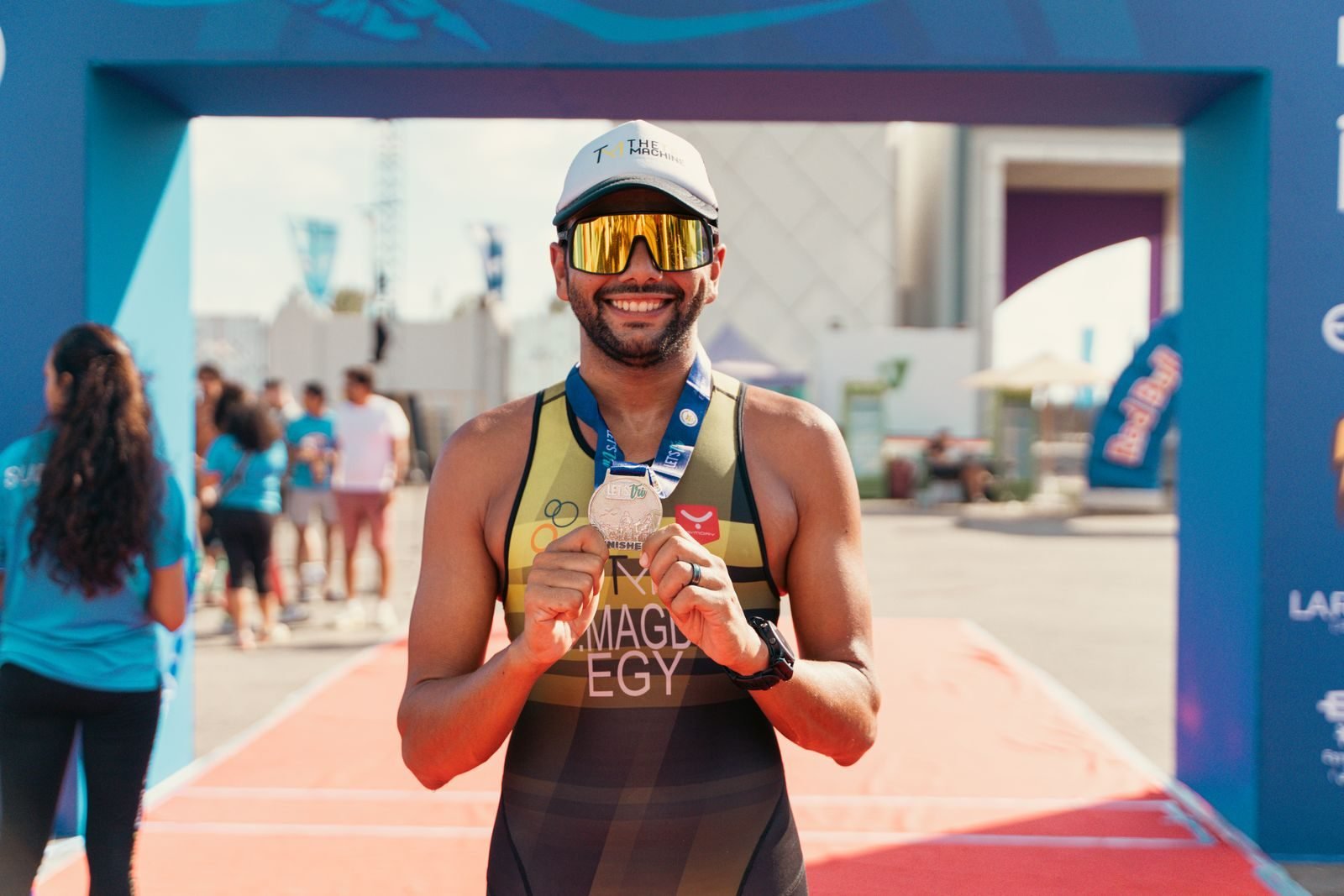
Marathon Recovery: What to Do Day by Day After a Marathon (or a Half)
Marathon recovery starts as soon as you cross the finish line and lasts much longer than it seems. Even when your legs stop hurting after a few days, your muscles keep repairing for weeks, and going back to hard training too soon is an easy way to get injured. This guide explains what to do in each phase, what studies show about muscle damage and when to start running again. At the end you will find how to adapt it after a half marathon.
How long marathon recovery takes
Running 42 km causes real muscle damage. In a classic study, Warhol and colleagues examined calf muscle biopsies from 40 marathoners under the electron microscope at different times after the race. In the first days they saw torn, swollen fibres; repair was progressing by 3 to 4 weeks, and at 8 to 12 weeks there were still signs of regeneration.
Your legs also lose strength. In a more recent study with 30 runners, Kwiecien and colleagues measured strength, jump height and soreness after a marathon: strength was still reduced at 24 and 48 hours and soreness increased in the following days. Incidentally, cooling the quadriceps for three hours did not speed up recovery.
Marathon recovery: the first hours
When you cross the line, keep walking for a few minutes instead of stopping dead. Drink and eat something at the finish area, and as soon as you can, have a meal with carbs and protein to start refilling glycogen and repairing muscle. The guide to protein for runners explains how much you need.
Change clothes as soon as possible, especially if it is cold, and that afternoon go for a gentle walk instead of lying down all day.
Marathon recovery: days 1 to 3
Muscle soreness usually peaks between 24 and 72 hours. Going down stairs will be the worst. Do not run these days: walk, move gently and, if you feel like it, do some very easy cycling or swimming.
Sleep as much as you can and eat well, with enough carbs and protein. If you notice a lot of swelling or localised pain that does not improve, see a professional.

Marathon recovery: the first week
From day 4 or 5, if the soreness has eased, you can try a very easy 20 to 30 minute jog. If anything hurts or feels wrong, stop and walk. Many runners prefer not to run at all in the first week, and that is fine too.
Marathon recovery: weeks 2 to 4
In week two, short easy runs of 30 to 45 minutes, with no pace targets. In week three you can lengthen them and add some strides. Do not do intervals or long runs until about three or four weeks have passed, when, according to Warhol’s study, the muscle has largely repaired.
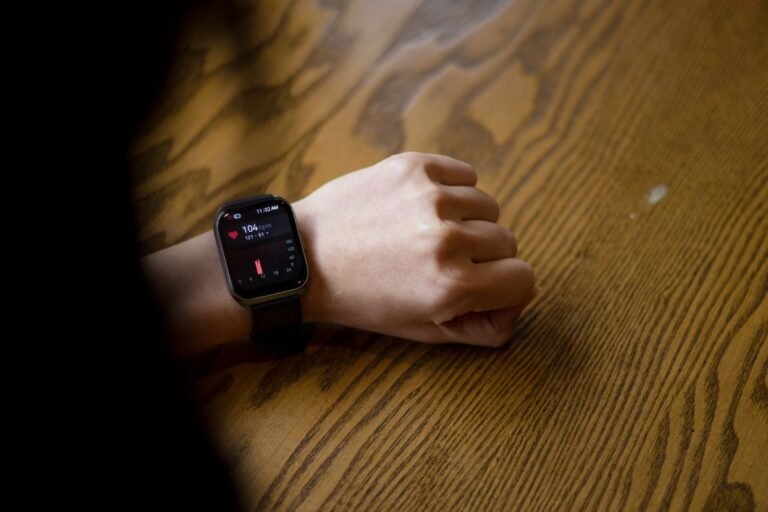
During marathon recovery, watch for the signs: if your legs feel heavy on easy runs, you sleep badly or your resting heart rate is higher than usual, you have not recovered yet. The guide to resting heart rate explains how to measure it, and the one on overtraining in runners covers the warning signs.
When to race again
For another marathon, it makes sense to wait several months. A short race, such as a 10K, can be a good goal a month to six weeks later if recovery has gone well. If you are starting another cycle, the marathon training plan assumes a base you will have partly lost, so give yourself a few weeks of easy running before you start.
Recovery after a half marathon
A half causes less damage, so recovery is shorter. Two or three days without running or with a very easy jog, a week of relaxed runs and, from day 7 to 10, a gradual return to quality work. Listen to your legs all the same: if they still feel heavy, extend the easy phase.

Conclusion
Marathon recovery comes in phases: walk, eat and drink in the first hours; rest for the first three days, when soreness peaks; jog easily from the end of the first week; and return to quality work after about three or four weeks, which is how long the muscle takes to largely repair. After a half, everything shortens to one or two weeks.
FAQ
How long does marathon recovery take?
Soreness goes in a few days, but muscle takes about three or four weeks to largely repair, according to biopsy studies of marathoners. That is why it is worth waiting that long before training hard again.
When can I run again after a marathon?
A very easy jog from day four or five if the pain has gone, short runs in week two and quality work from week three or four.
What should I eat after a marathon?
Carbs and protein in the first hours, and a complete diet in the following days to refill glycogen and repair muscle.
Does ice help marathon recovery?
In a study with 30 runners, cooling the quadriceps for three hours after a marathon did not speed up the recovery of strength or soreness.
How long does it take to recover from a half marathon?
Much less: a few days of rest, a week of easy runs and a return to quality work around day 7 to 10.